



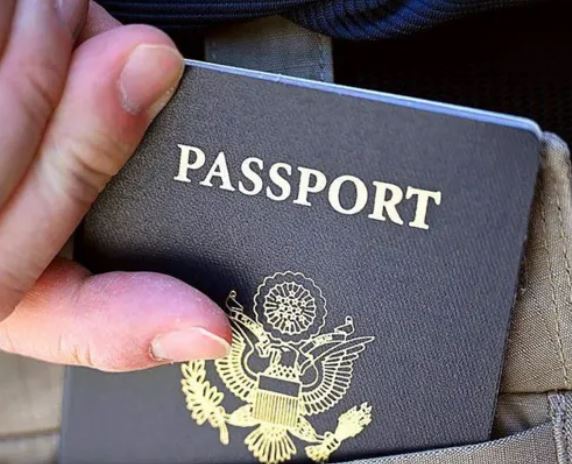
The Government of Mali has announced that US nationals seeking business or tourist visas will now be required to post a bond of up to $10,000, mirroring a similar visa policy recently reintroduced by the Trump administration for certain foreign visitors.
According to the US Embassy in Bamako, the measure aligns with Washington’s stated goal of “protecting America’s borders and safeguarding national security.” In response, Mali’s Ministry of Foreign Affairs said the new bond system was introduced on the basis of reciprocity, describing it as an “identical visa programme” for US citizens.
The move indicates growing diplomatic strain between the two nations, even as both sides have expressed interest in strengthening counterterrorism cooperation and economic engagement.
In July 2025, US officials held talks in Bamako focused on security collaboration and potential investment in Mali’s mining sector, particularly its gold and lithium reserves, which are increasingly strategic in the global energy transition.
Relations between Washington and Bamako have been fragile since the 2021 military coup, which brought Gen. Assimi Goïta to power. The Malian leader has since pivoted towards Moscow, expelling French forces and inviting Russian paramilitary support, first through the Wagner Group and now the Africa Corps, aligned with Russia’s defence ministry.
The visa standoff comes amid broader US-Africa tensions. Last week, Burkina Faso’s military government declined a US request to accept deportees, prompting Washington to suspend visa issuance in the country.
Burkina Faso’s foreign minister, Karamoko Jean-Marie Traoré, criticized the move as potential “blackmail,” after reportedly rejecting a US proposal to host third-country migrants.
Analysts say the developments reflect a shifting geopolitical landscape in West Africa, where nations once closely aligned with Western powers are increasingly asserting policy independence — and leveraging strategic resources — to redefine their global partnerships.