



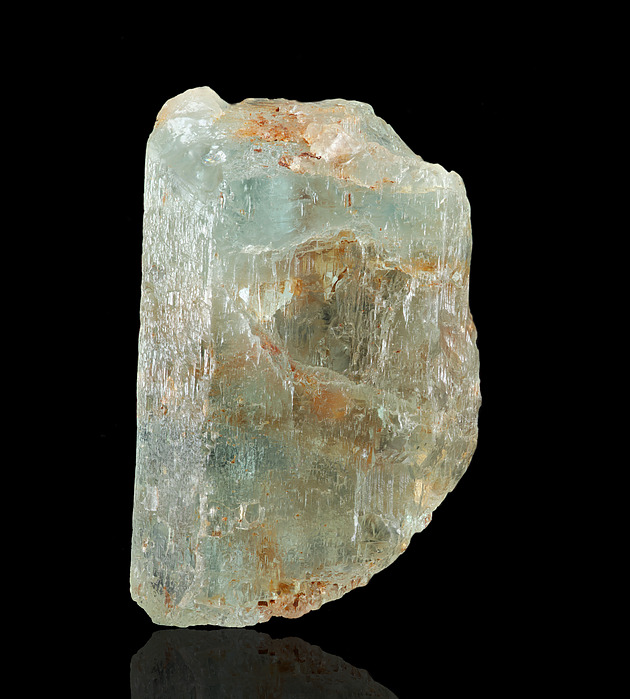
Malawi has announced a landmark policy shift aimed at boosting local economic growth by banning the export of raw minerals, President Peter Mutharika has said.
The move is designed to ensure that the country fully benefits from its mineral wealth through local processing rather than sending unprocessed resources abroad.
Speaking at Kamuzu Palace in Lilongwe, Mutharika highlighted that strategic sites such as the Kasiya rutile deposit in Lilongwe and the Kangankunde rare earth deposit in Balaka could generate up to $500 million annually if properly developed and managed.
He described the current system of exporting raw minerals without local value addition as a significant economic loss, depriving Malawians of jobs and limiting government revenue.
“This practice has been undermining our industrial growth and keeping our people in poverty,” Mutharika said. “We must add value to our minerals right here in Malawi, create jobs, and keep the profits within our borders.” He added that his administration will soon establish a National Mining Corporation to oversee mineral production, processing, and export, aiming to enhance transparency and accountability in the sector.
The President also stressed the importance of strategic partnerships with credible international investors who can help build local capacity while respecting Malawi’s resource sovereignty.
Mining experts note that the Kasiya rutile site, managed by Sovereign Metals Limited, is among the largest undeveloped rutile reserves globally, while the Kangankunde site holds rare earth elements crucial for electric vehicles, renewable energy, and high-tech electronics.
Economists have cautioned that the policy’s success will depend on heavy investment in processing infrastructure, technology, and skilled labor. They also emphasized the need for transparency, environmental sustainability, and community engagement in mining areas.
Civil society organizations welcomed the move but called for strong oversight to prevent corruption and ensure that mineral wealth benefits the broader population.
Malawi’s mining sector has historically been dominated by foreign firms, with limited local participation and minimal contribution to the national economy. Past disputes, such as those surrounding the Kayelekera uranium mine and the Kangankunde site, underscored the challenges of benefiting fully from the country’s mineral resources.
President Mutharika’s export ban signals a decisive step toward reversing this trend, promoting industrialization, and transforming Malawi’s mineral resources into a driver of sustainable economic growth.
The focus now shifts to how effectively the government can implement this vision and ensure the country’s wealth translates into jobs, infrastructure, and prosperity for its citizens.