



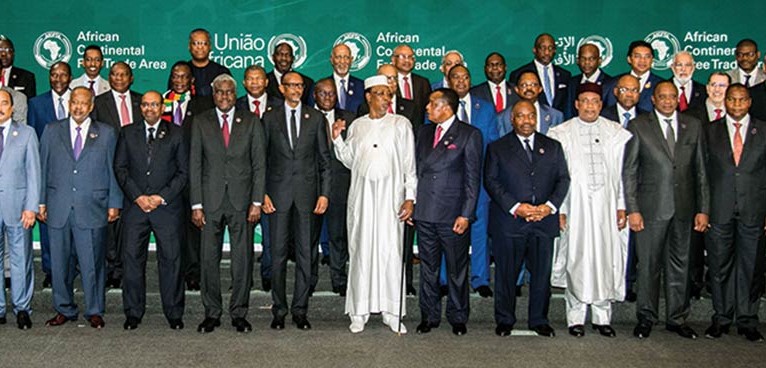
African leaders and development financiers have renewed calls for visa-free travel across the continent, positioning the reform as a critical accelerator of Africa’s economic transformation under the African Continental Free Trade Area (AfCFTA).
The push gained fresh momentum at a High-Level Symposium co-convened by the African Development Bank Group and the African Union Commission on the sidelines of the 39th African Union Summit in Addis Ababa.
Policymakers, business leaders and aviation executives argued that while tariffs are steadily declining under AfCFTA, restrictive visa regimes continue to constrain trade in services, tourism, labour mobility and cross-border investment.
Alex Mubiru, Director General for Eastern Africa at the African Development Bank Group, described visa liberalisation and interoperable digital systems as practical enablers of enterprise and regional value chains.
He urged governments to shift from incremental adjustments to what he termed “transformative change,” saying economic data and lived experience both support greater openness.
Amma A. Twum-Amoah of the African Union Commission called visa openness a strategic lever for deepening regional markets and strengthening collective responses to economic and humanitarian shocks.
Former AU Commission Chairperson Nkosazana Dlamini-Zuma linked free movement directly to the bloc’s long-term blueprint, Agenda 2063, pressing member states to operationalise instruments such as the African Passport and the Free Movement of Persons Protocol.
Ghana’s Trade and Industry Minister Elizabeth Ofosu-Adjare cited her country’s open visa policy as evidence that liberalisation can stimulate business travel, tourism and investor interest.
The symposium also reviewed findings from the Africa Visa Openness Index, which show that more than half of intra-African travel still requires visas before departure — a barrier participants say undermines intra-continental commerce.
With aviation leaders backing the Single African Air Transport Market, stakeholders concluded that aligning migration policy, digital identity systems and border infrastructure — alongside sustained political commitment — will be essential to building a truly borderless African market.