



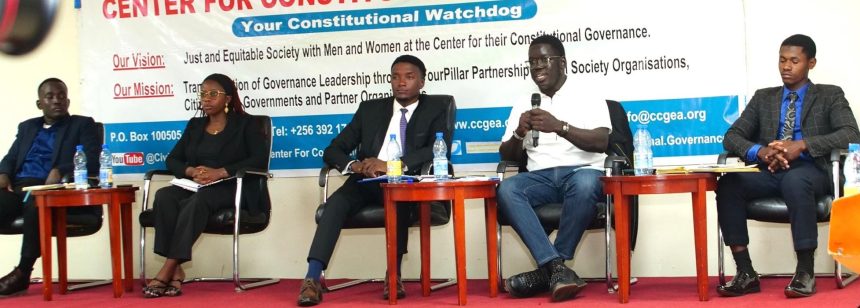
A renewed wave of youth-led civic engagement is taking root across Uganda, driven by a leadership initiative aimed at reshaping the country’s democratic future.
The Centre for Constitutional Governance (CCG), under the leadership of Executive Director Sarah Bireete, has spent the past year engaging university students in nationwide constitutional debates, positioning young people at the centre of Uganda’s struggle for credible, free and fair elections.
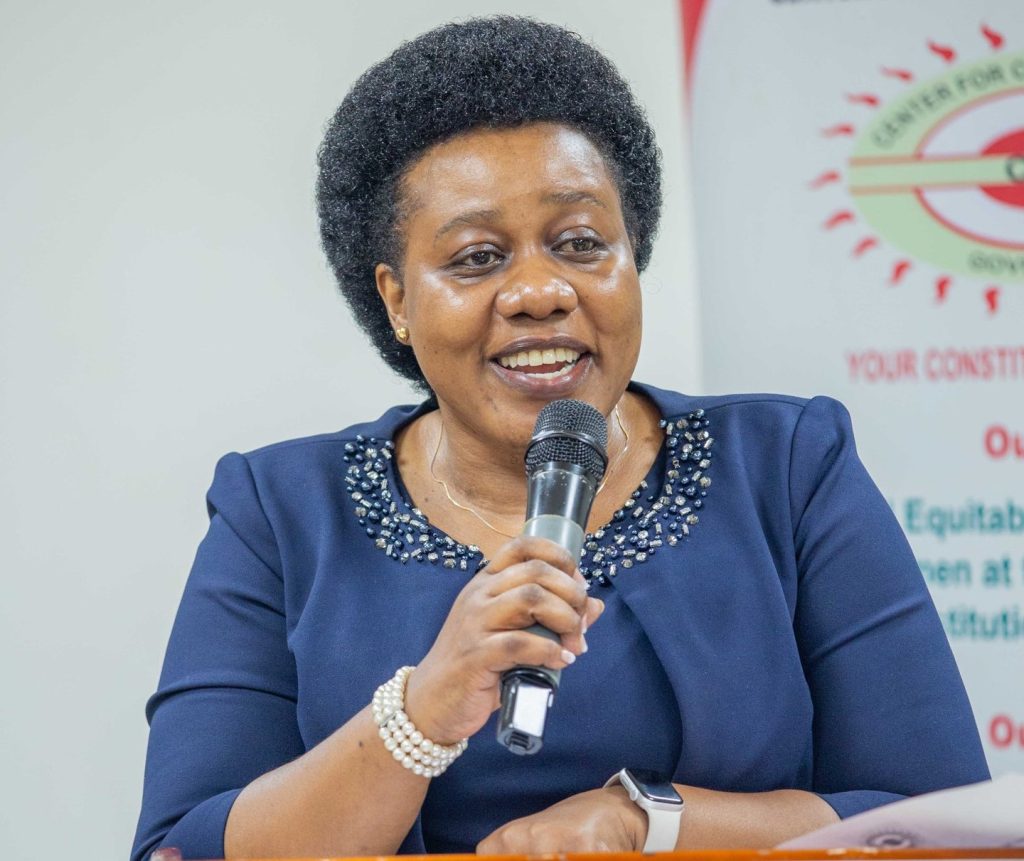
Speaking after a televised debate held under CCG’s Hope Initiative Programme, Birete said the organisation is deliberately investing in constitutional literacy among young Ugandans because they represent the generation most affected by electoral injustice yet most capable of transforming the system.
“We called the programme the Hope Initiative to give young people hope that a culture of constitutionalism is possible in Uganda,” she said, noting that the programme has now reached 25 universities.
This year’s theme — “The Unending Quest for Credible, Free and Fair Elections Since Independence” — was selected to align with the country’s 2026 electoral cycle, enabling students to analyse both historical trends and current preparations.
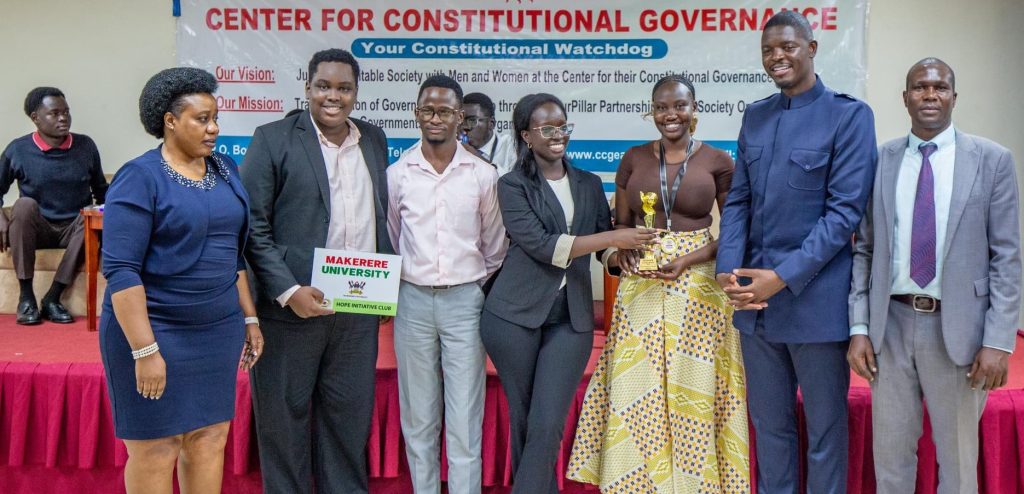
Bireete said the debates have deepened students’ understanding of the responsibilities of state actors, the barriers to electoral credibility, and the 63-year struggle for democratic legitimacy.
The discussions, aired on Civic Space TV, are intended not only to educate participants but to spark national reflection.
Beyond Uganda, Birete also drew parallels with Tanzania, where she recently observed grassroots elections. While Tanzania formally adopted multiparty politics decades ago, she warned that “the multi-party dispensation has been artificial,” weakened by unreformed one-party structures and shrinking civic space.
She cited cases of opposition repression, state-managed elections, and mass youth protests — and praised the Tanzanian army for protecting demonstrators rather than attacking them. “They are indeed forces for the protection of the people, not the regime,” she said.
The second half of the leadership dialogue focused on a rising reality across Africa: youth are no longer willing to remain passive.
Keynote Speaker , Shakemore Timburwa, a Zimbabwean entrepreneur, speaker and a parliamentarian for Chegutu West constituency since 2024 warned that when governments ignore young voices, they fuel the very unrest they fear.
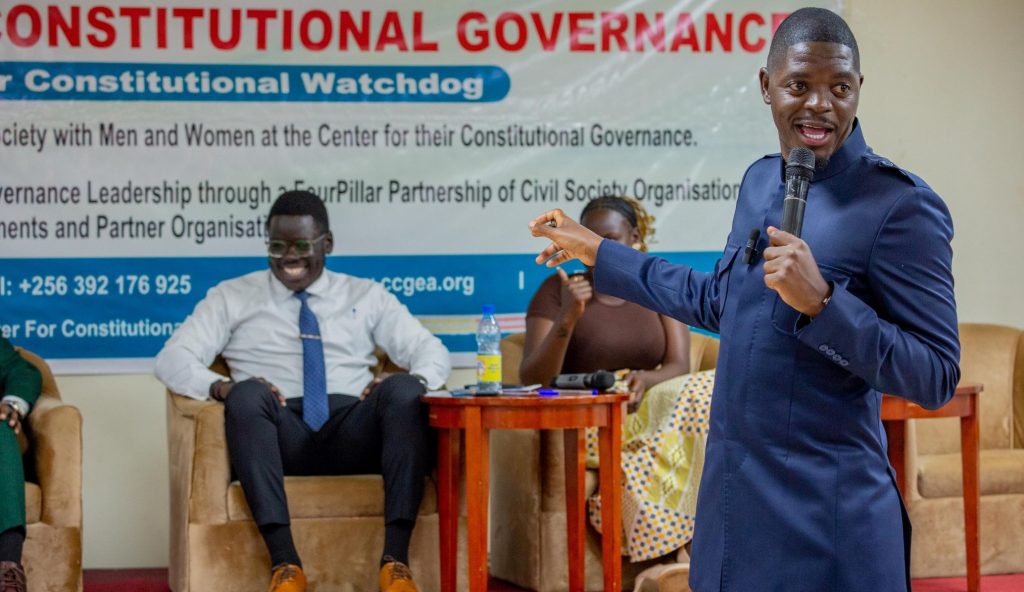
“We now have a generation that is politically engaged and lives in a globalised village. If they are excluded, they will respond in the streets,” he said, urging African leaders to create systems that speak to young people’s real needs.
In his remarks, Hon. Timburwa explored the link between leadership, economic power and Pan-Africanism, arguing that the continent cannot achieve political liberation without financial independence.
Referencing historical figures like Marcus Garvey and Martin Luther King Jr., he challenged young Africans to “never be poor Pan-Africans,” insisting that true influence requires wealth, ownership of media, and economic networks. “Leadership without resources is just noise,” he said.
For many students, the experience was transformational. Ochero Ronald Frank, a medical student from Northern Uganda, said the programme strengthened his belief in the capacity of young Ugandans to lead.
“We are at a transition stage. We cannot afford to stay out of leadership,” he said, adding that the biggest lesson was that leadership and entrepreneurship must go hand in hand: “We cannot transform society through words alone.”
As Uganda moves toward the 2026 elections, the Hope Initiative is shaping a new leadership consciousness — one rooted in constitutionalism, economic empowerment, and intergenerational responsibility.
Whether the political establishment will match that energy remains the unanswered question.