



President Yoweri Kaguta Museveni has called for intensified efforts in the fight against HIV/AIDS, urging Ugandans—especially the youth—to adopt responsible lifestyles and remain vigilant against misinformation circulating in the digital age.
His remarks were delivered by Vice President Jessica Alupo during national World AIDS Day commemorations held in Bushenyi District.
President Museveni reflected on Uganda’s long journey in combating the epidemic, noting that when his government took office in 1986, HIV/AIDS was treated as a national health emergency. “In the 1990s, HIV prevalence stood at 18%.
Today, it stands at 4.9%,” he said, describing the reduction as evidence of the country’s sustained commitment to prevention and treatment.
Despite national progress, the President expressed concern about rising infections in some regions, citing Bushenyi’s 250 new cases recorded last year—higher than the national average of 8%. He urged local leaders, health workers, and communities to intensify targeted interventions.
Addressing the youth, Museveni cautioned against risky sexual behaviour, advising them to abstain and focus on their studies. “Avoid risky sexual behavior… concentrate on your studies until you are ready to deal with the consequences of sex,” he said.
To adults, he issued a similar warning: “Avoid risky sexual behavior, multiple sexual partners, alcohol—which clouds judgement—and drug abuse.” He added that such habits undermine personal health and fuel new infections.
The President also expressed concern over the influence of misinformation online. “In this digital era, a lot of information on social media is misleading, inaccurate, and totally incorrect,” he said.
“Why are you spending much time on social media? Engage in sports and be physically fit.” He encouraged Ugandans to prioritize the well-being of the body, mind, and spirit to effectively contribute to national development.
Museveni reaffirmed the government’s commitment to ending AIDS as a public health threat by 2030. He highlighted key pillars of the Presidential Initiative to End HIV, including intensified community engagement, supporting adolescent girls and young women, accelerating testing and treatment, eliminating mother-to-child transmission, and ensuring the financial sustainability of the HIV response.
Reiterating his long-standing “Bonna Basome” policy, the President emphasized the importance of education, noting that free primary and secondary schooling is designed to keep young people safe, informed, and empowered.
“To the bazzukulu, your first asset is health, which is an enabler and a precursor,” he added, urging routine medical check-ups to prevent further spread of the virus.
Museveni concluded his message by thanking religious leaders for their continued cooperation and for playing an active role in the national fight against HIV/AIDS.
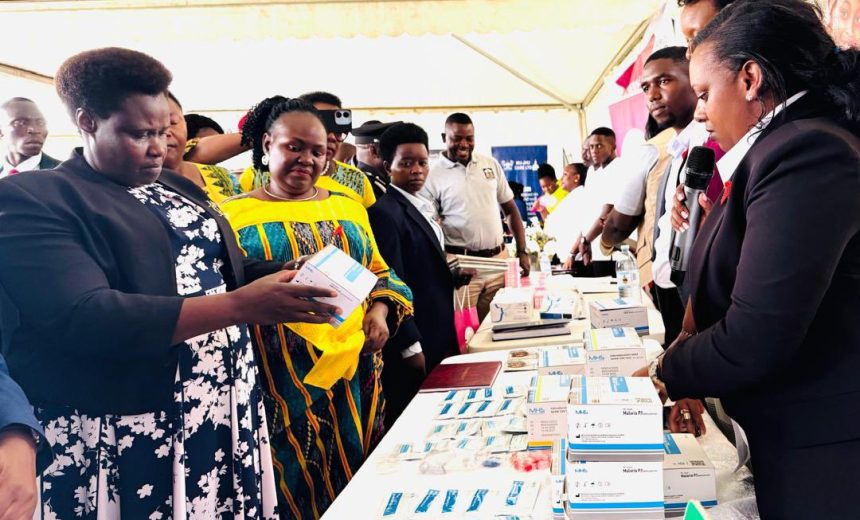
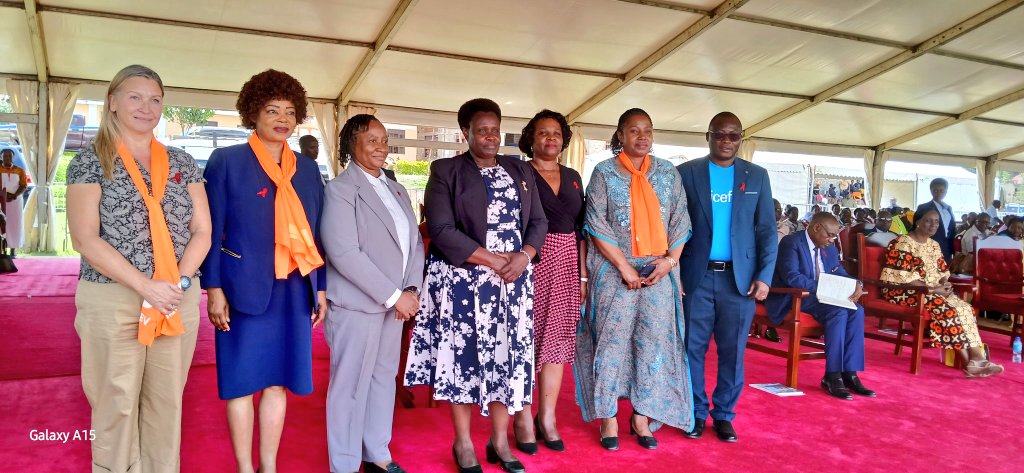
The World AIDS Day commemoration brought together government officials, health experts, civil society organizations, and community groups united under this year’s push to strengthen Uganda’s progress toward an AIDS-free generation.