



When the National Resistance Movement (NRM) assumed power in 1986, Uganda faced deep-rooted challenges in human resource development, marked by high illiteracy levels, limited skilled manpower and fragile healthcare systems.
Addressing these gaps became a central pillar of the government’s development agenda, with education and health positioned as key drivers of national transformation.
A major milestone came in 1996 with the introduction of Universal Primary Education (UPE), followed by Universal Secondary Education (USE) in 2007. These reforms significantly expanded access to schooling and laid the foundation for a more skilled population.
As a result, adult literacy levels have risen from about 43 percent in 1986 to roughly 80 percent today, while life expectancy has increased from 40 to 65 years, reflecting broader gains in social welfare.

The NRM government also prioritised healthcare, particularly maternal health and preventive care. Mass immunisation campaigns against diseases such as polio, measles and diphtheria have improved public health outcomes and strengthened the country’s productive workforce.
To complement public investment, government liberalised the education and health sectors, encouraging private investors, faith-based organisations and cultural institutions to participate.
This opened space for the establishment of numerous schools, universities and health facilities, greatly expanding access nationwide.
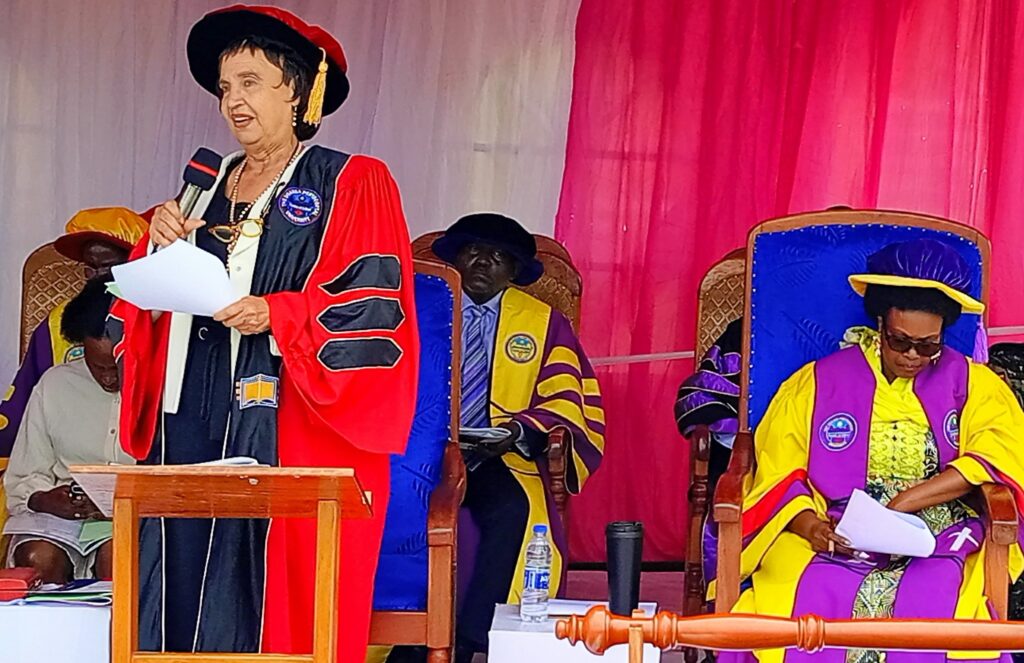
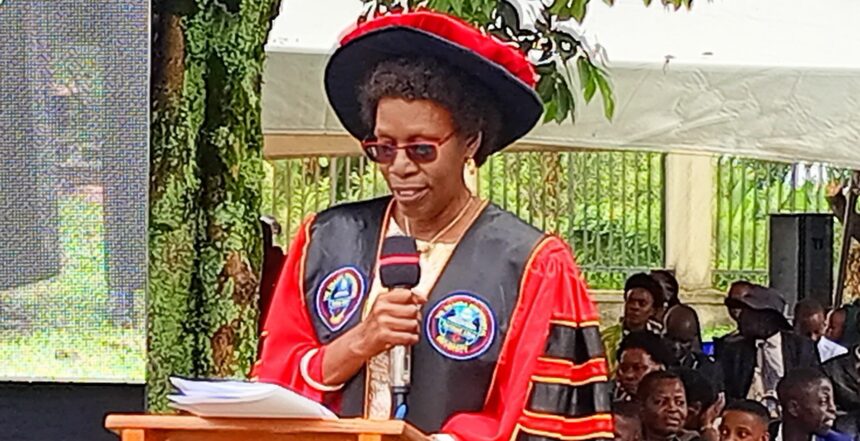
Despite this progress, graduate unemployment remains a pressing concern. Addressing graduates at the 21st graduation ceremony of Uganda Pentecostal University (UPU) in Fort Portal Tourism City, President Yoweri Museveni, through State Minister for Primary Health Care Hon.
Margaret Muhanga Mugisa, urged institutions to align training with private sector needs. He noted that government employment opportunities are limited, making private sector growth and industrialisation critical to job creation.
The ceremony saw more than 550 graduates awarded degrees, diplomas and certificates in disciplines including law, education, business administration and information technology.
UPU Vice Chancellor Prof. Pelucy Ntambirweki commended the government’s sustained investment in education and highlighted the university’s adoption of digital tools, including artificial intelligence, to prepare students for a changing global economy.
UPU Chancellor Dr. Maggie Kigozi emphasized the importance of responsive curricula and lifelong learning, urging graduates to see their qualifications as a responsibility to serve society.
Uganda’s progress in education and health under the NRM is evident. The challenge ahead lies in translating these gains into productive employment through skills alignment, innovation and a strong partnership between government and the private sector.