



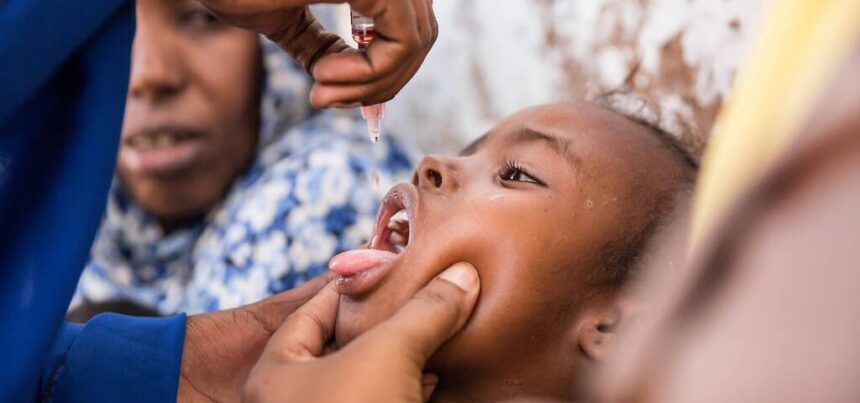
Uganda’s Ministry of Health has renewed its push for routine immunisation, warning that preventable diseases—particularly malaria, cervical cancer and hepatitis B—continue to claim thousands of lives despite the availability of effective vaccines.
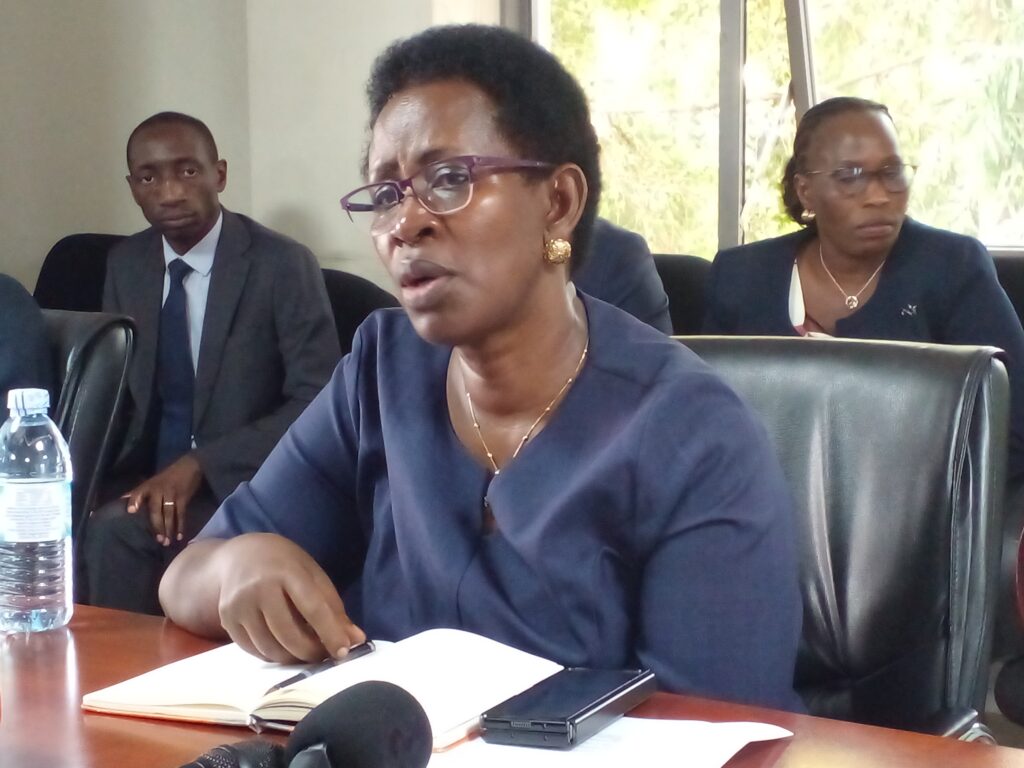
Speaking at a media briefing in Kampala, Dr Diana Atwiine, Permanent Secretary at the Ministry of Health, said the government called journalists together to intensify public awareness around immunisation, stressing that sustained reminders are critical to improving coverage and saving lives.
Immunisation, she noted, remains one of the most powerful public health interventions, with Uganda expanding its programme from protection against six “killer diseases” to 14 vaccine-preventable conditions. However, progress is increasingly threatened by complacency, misinformation and incomplete vaccination schedules.
Malaria remains Uganda’s biggest killer, contributing significantly to maternal and child mortality and accounting for about 40 percent of all outpatient visits. Dr Atwiine said malaria now kills more people than COVID-19 did at the height of the pandemic, yet deaths from the disease have become so routine that they rarely attract public attention.
Uganda has rolled out a malaria vaccine targeting children, but health authorities are concerned about declining uptake beyond the first dose. The malaria vaccine requires four doses for full protection, yet while initial campaign turnouts were strong, attendance drops sharply at the second, third and fourth doses.
“The vaccine works, but only if children complete all four doses,” Dr Atwiine said. “Malaria is endemic, so children may still get infected, but science shows that four doses protect them from severe disease and death.”
The ministry is urging mothers and caregivers who began the vaccination schedule to ensure their children complete it, emphasising that partial vaccination undermines the benefits of the programme.
Cervical cancer prevention is another major focus of Uganda’s immunisation strategy. Dr Atwiine warned that cancer rates are rising rapidly across the country, with cervical cancer remaining one of the leading causes of cancer-related deaths among women.
The disease, caused by the human papillomavirus (HPV), is now preventable through vaccination. Uganda targets girls aged 10 years—before sexual exposure—to ensure long-term protection. Recent scientific evidence has allowed the programme to shift from a two-dose schedule to a single dose, without compromising effectiveness.
“This means parents no longer need to bring girls back for a second dose,” Dr Atwiine said. “If we vaccinate every generation of girls at this age, cervical cancer can become a disease of the past.”
Vaccines are available in all government health facilities, and the ministry is calling on private schools to fully cooperate with vaccination teams to ensure equitable access. Officials warned that gaps in coverage could allow the disease to persist, imposing high treatment costs on families and the health system.
Hepatitis B, a major cause of liver cancer and chronic liver failure, is the third priority highlighted by the ministry. While Uganda previously ran adult vaccination campaigns, the focus has now shifted to a birth-dose strategy aimed at eliminating mother-to-child transmission and providing lifelong protection.
“When you immunise a child against hepatitis B, you are protecting them for life,” Dr Atwiine said, explaining that vaccination prepares the body to fight the virus and prevents severe liver damage even if exposure occurs later.
Despite the availability of vaccines nationwide, the ministry identified three major challenges undermining uptake. The first is the rise of anti-vaccine sentiment, fuelled largely by misinformation since the COVID-19 pandemic. Dr Atwiine stressed that vaccines undergo rigorous clinical trials and long-term safety monitoring before approval, urging the public not to treat unverified online claims as fact.
The second challenge is uneven coverage. While hard-to-reach areas such as island districts and mountainous regions have recorded strong performance, urban centres—particularly Kampala and Wakiso—account for the highest numbers of “zero-dose” children who have never received any vaccines.
“The issue in these urban areas is not access,” she said. “It is misinformation, complacency and misplaced confidence in unreliable information.”
The third challenge is sustaining community engagement. To address this, the ministry is working with religious leaders, community health workers and the media to reinforce vaccination messages in churches, mosques and local groups.
On funding, Dr Atwiine assured the public that Uganda has not experienced vaccine shortages. Government financing for vaccines has steadily increased from about US$3.5 million several years ago to US$8.1 million this financial year, with further increases planned as the population grows.
With approximately two million babies born each year, she said, continued investment in immunisation is essential. “Prevention is one of our biggest undertakings as a ministry,” she said. “Vaccines save lives, reduce long-term health costs and protect future generations.”
Health officials are now counting on sustained media coverage to help turn scientific progress into real-world impact—one fully immunised child at a time.