




In the Rwenzori region, where tradition and modernity often collide, one woman is quietly leading a cultural revival that is transforming communities.
Basemera Alice Adyeri, founder of the Koogere Foundation, has turned her passion for heritage into a vehicle for sustainable development, social cohesion, and youth empowerment.
Her journey began in 2003 when she emerged as the first Miss Koogere of Toro, a cultural pageant rooted in celebrating traditional values. “That experience forced me to keep promoting and preserving culture,” she recalls.
Inspired by the legacy of Koogere—a historical female figure revered for wisdom and leadership—Basemera committed her life to safeguarding Toro’s cultural identity.
Today, through the Koogere Foundation, she is doing exactly that.
Working closely with the Cross-Cultural Foundation of Uganda (CCFU), Basemera has established a thriving community museum in Fort Portal, built not on formal acquisitions, but on grassroots participation. Artifacts are sourced directly from the community—sometimes donated, sometimes purchased, and often rescued from neglect.
“Some people throw these things away in banana plantations,” she explains. “When we find them, we pick them and bring them to the museum. Later, people come and recognize their value.”
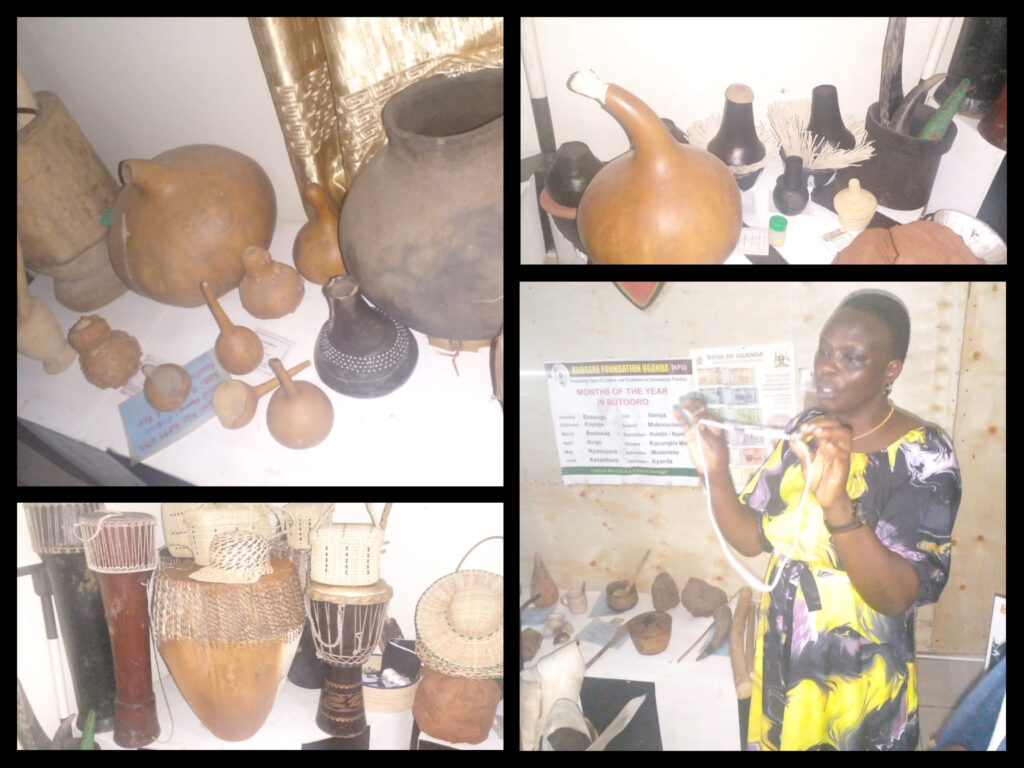
This approach has not only preserved heritage but also fostered a sense of ownership among locals. The museum has quickly become a hub for cultural learning, attracting over 500 visitors within just weeks of relocating to its current site.
But Basemera’s work goes far beyond preservation.
Through cultural enterprises like the Koogere Cultural Troupe, which comprises 35 young people, the foundation is creating livelihoods while keeping traditions alive. Revenues generated from performances and museum visits are reinvested into community initiatives, particularly youth programs.
“We support young people using the little we collect,” she says, emphasizing the importance of culture as an economic tool.
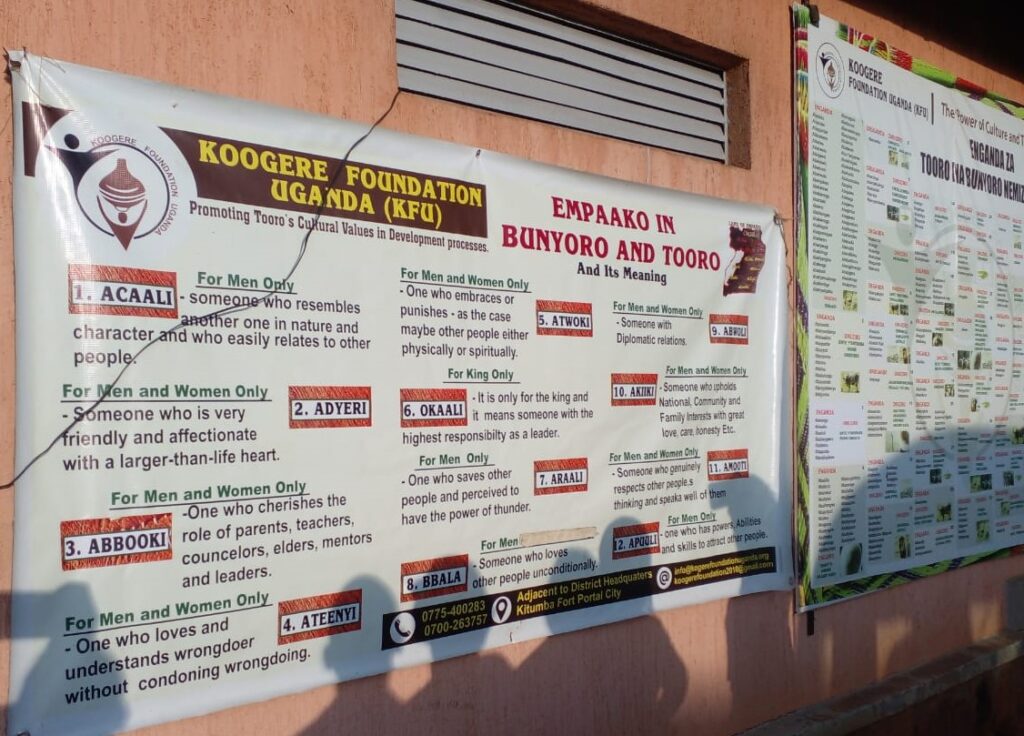
Education is another cornerstone of her work. Starting with just five schools, Basemera has expanded heritage clubs to 16 secondary schools, with plans to reach primary level. These clubs teach students about their history, identity, and values—an effort she believes is critical for shaping the future.
“People need to know their past, their present, and their future,” she says. “Even at home, you can start your own small museum.”
Her influence extends into media, where she hosts a weekly cultural program that reaches audiences far beyond Uganda. Feedback, she says, has been overwhelmingly positive, with listeners from across the world eager to reconnect with African traditions.
Beyond education and tourism, the Koogere Foundation is also addressing social challenges. In partnership with CCFU, Basemera has led community dialogues tackling violence against women and girls, using cultural values to promote respect and harmony in families.
“We cannot end violence completely, but we are seeing change,” she notes. “Some families that were breaking apart are now healing.”
Still, challenges remain. Basemera is calling on government support, particularly in transport and infrastructure, to establish a fully-fledged cultural center that can expand their reach and impact.
Despite limited resources, her determination remains unshaken.
“If you cut me, you will see culture in my blood,” she says with a smile.
As Uganda continues to explore pathways to sustainable development, Basemera’s work offers a powerful reminder: culture is not just a relic of the past—it is a foundation for the future.