



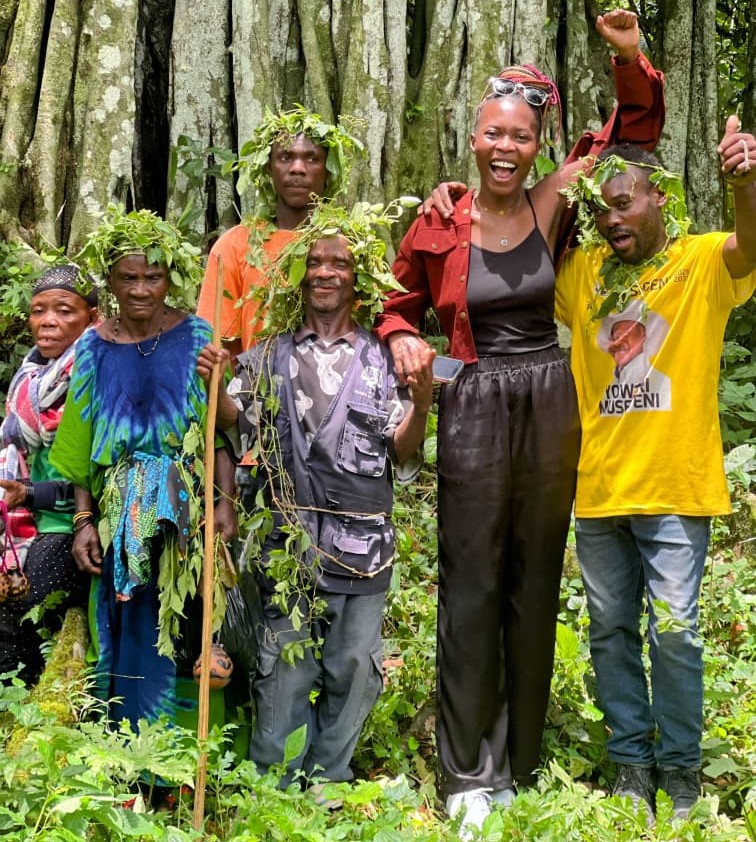
Twenty years ago, the idea that “culture” could pay the bills or protect a forest sounded strange to many. But as the Cross-Cultural Foundation of Uganda (CCFU) blows out two decades of candles, a recent media tour through Bunyoro and Rwenzori proved that culture is working.
From jungle-thick conservation zones to dusty schoolyards and bustling community enterprises, Ugandans are proving that heritage isn’t just about the past but rather an engine for jobs, pride, and survival.
Without Culture,Development Is Incomplete
The first stop was Kagadi District, at the African Rural University. Founder Musheshe Musinguzi didn’t mince words. He spoke about how African wisdom had been pushed aside for too long.
“CCFU has helped us reclaim our identity and integrate culture into education. Without culture, development is incomplete,” Mwalimu Musheshe said. Fredrick Nsibambi, CCFU’s Programs Manager, put it even more bluntly. Their goal isn’t to hold anyone’s hand forever.
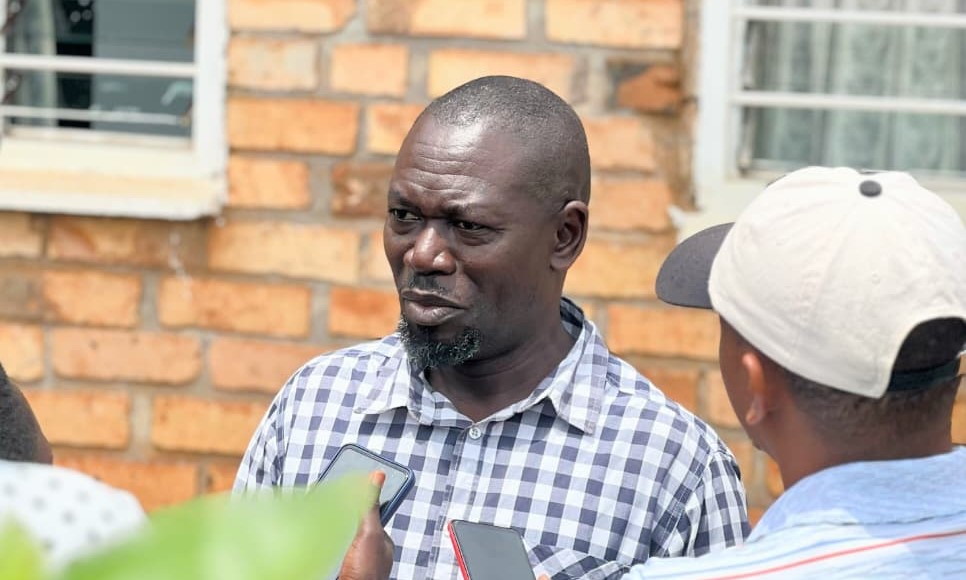
“Our work is about empowering communities to use their own culture as a resource for development, not dependency,” Nsibambi explained.
Turning Ancestors into Earners.
Then came the Koogere Foundation. Founder Basemere Alice Adyeri beamed as she explained how preserving old traditions put food on new tables. “CCFU gave us the foundation to turn our culture into a livelihood. Today, we are not just preserving heritage—we are earning from it,” she said.
Over in Kasese District, Beatrice Mukanchwanga of the Ekyisabu Dairy Women Cultural Trust nearly danced as she described the revival of Basongora culture. “They guided us to organise ourselves and showcase our culture. Because of CCFU, we are now known, we perform, and we educate our children through culture,” she noted.
Bazale Jonah, Project Manager of the Kiriba Kyathumba Hot Springs, has praised the Cross Cultural Foundation Uganda (CCFU) for transforming the site from a neglected space into a well-managed heritage attraction. He said CCFU’s intervention in 2021 helped organize the community, establish a registered management structure, and support key developments including a reception office, training of tour guides, and environmental restoration.
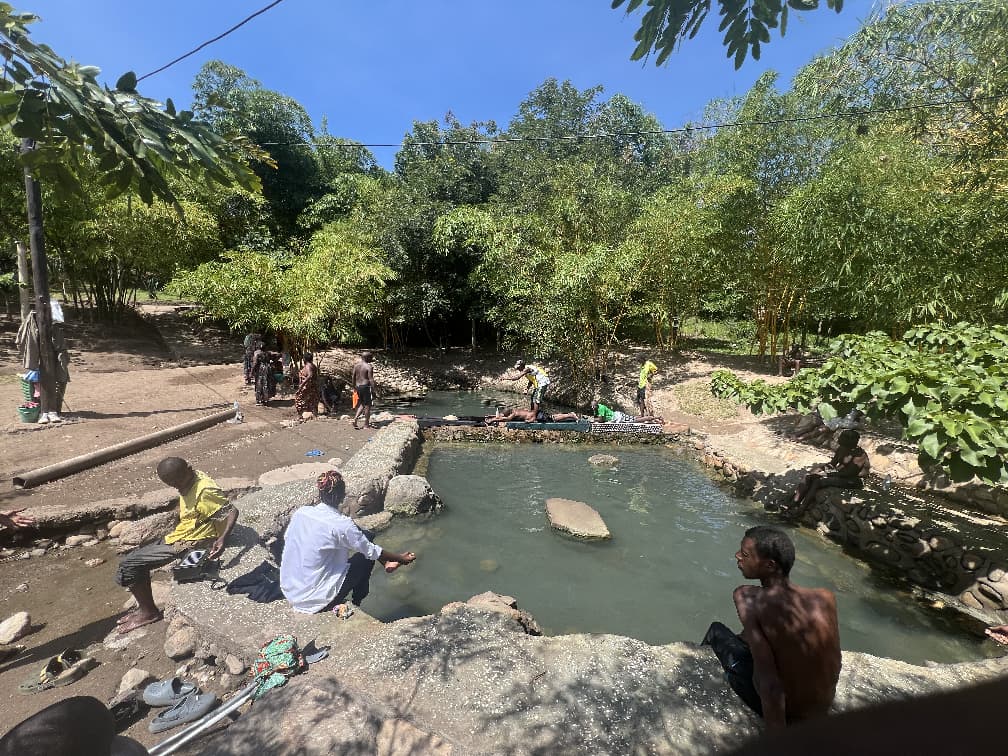
“From a neglected site to what it is today, the progress is evident. We are grateful to CCFU for laying the foundation that has enabled us to sustainably manage and grow this important cultural heritage site,” Jonah said.
It reminds Us of Who We Are
At the historic Rwengoma Palace in Tooro Kingdom, caretaker Olimi Dawudi stood among aging walls and fading memories. But he smiled.
“CCFU has encouraged us to preserve this palace as a museum. It reminds us of who we are and where we come from,” he said.
Near Lake George, Emmanuel Kyalimpa—chief elder of the Bagabo community—grew serious. He knows how easily a people can vanish.
“They have helped us value our traditions and pass them on to the younger generation. Without that, our culture would disappear,” he said. “We would not have been able to come up with this cultural museum”,he added.
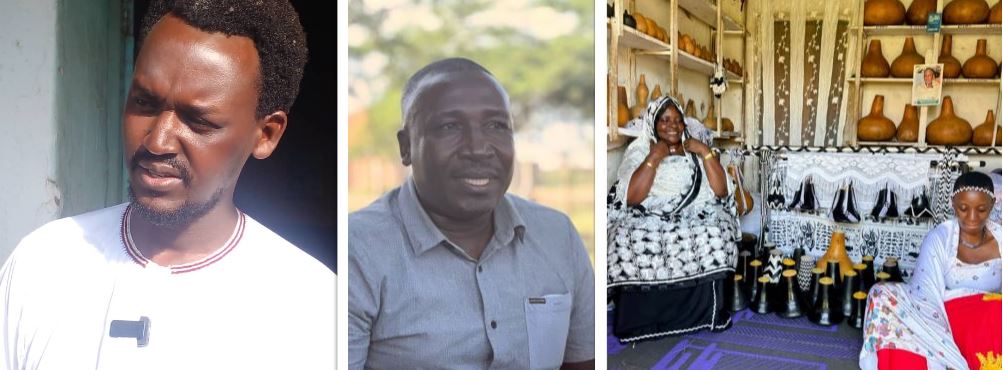
The Kids Are Alright and Proud of It
At St. John Mary Vianney Community Secondary School, Heritage Club President Marvin Asaba, still a teenager, is already changing minds. He remembers when culture scared people.
“Many people feared culture, thinking it was satanic. But CCFU helped us understand and promote it positively. Now we are proud of who we are,” he said.
When Culture Saves Wildlife and the People
In Bundibugyo, Mbubi Norah—the Uganda Wildlife Authority officer in charge of Semuliki National Park—has seen something rare: conservation that doesn’t fight locals but embraces them.
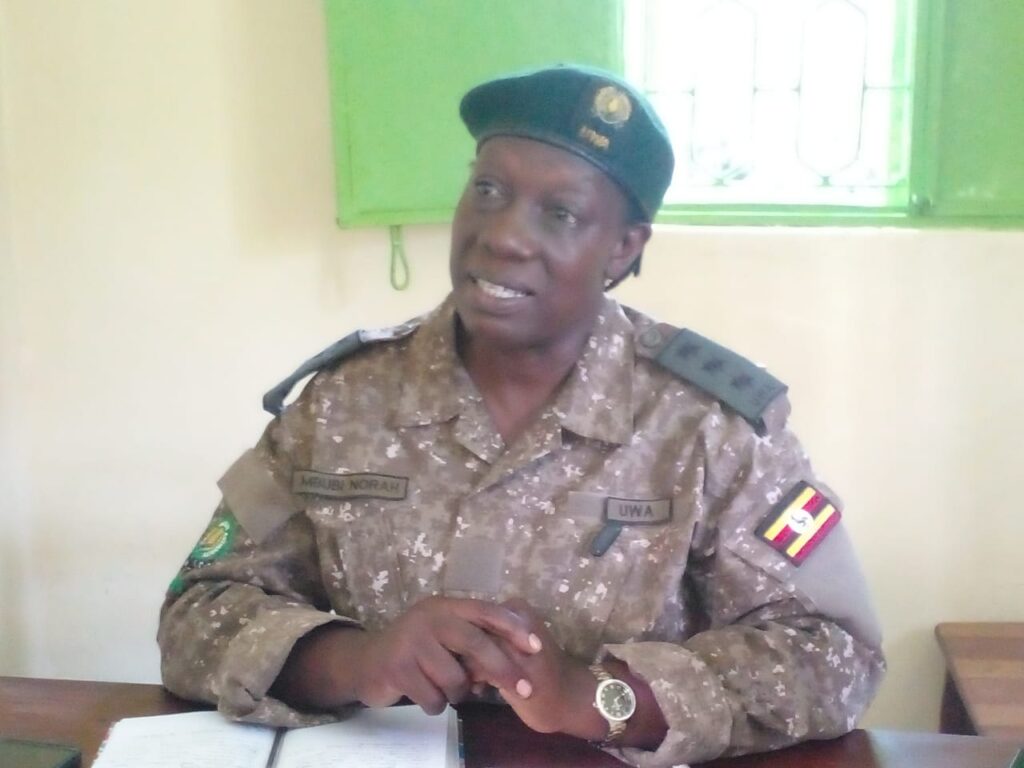
“CCFU has helped us work better with communities like the Batwa. Their approach respects culture while protecting the environment,” she noted.
Lifting the Littlest Ones
At Our Lady of Annunciation Bugombwa Nursery and Primary School, head teacher Juliana Sister Charik didn’t hold back her gratitude. The Batwa children here have faced a cruel world.
“CCFU has been our strongest partner. They have supported infrastructure and education for some of the most vulnerable children,” she said.
A Blueprint for the Future
Across the whole region, the fingerprints of CCFU are everywhere—in busy cultural enterprises, in confident youth, in standing palaces, and in resilient families.
As the organisation turns 20, its recipe (root development in identity, then step back) is being hailed as a model for sustainable change.
CCFU has shown that culture is not just about the past—it is about the future.