



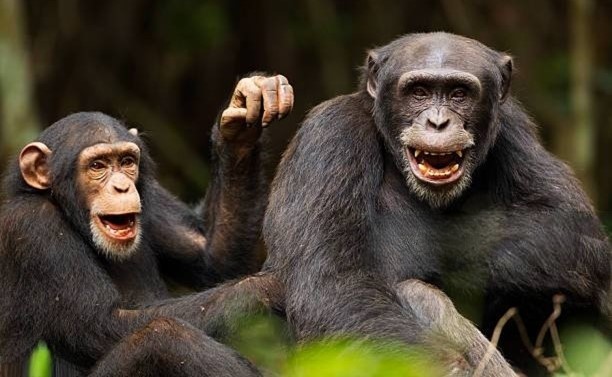
Kuteesa Swaleh Kadoma, founder of Friends of the Chimpanzee Family, has called for urgent, community-driven conservation measures anchored in culture, warning that environmental degradation in western Uganda threatens both livelihoods and heritage.
Speaking during a cultural learning engagement supported by the Cross-Cultural Foundation of Uganda (CCFU), Kadoma outlined a range of concerns—from shrinking forests and wetlands to growing pressure on private landowners—while proposing practical solutions that blend conservation with income generation.
Kadoma emphasized that protecting existing forests must be the starting point. He noted that many private forest owners face intimidation and economic pressure, forcing them to degrade natural resources. “First of all, let us preserve the existing forests,” he said, urging government and partners to identify and support such landowners through incentives and structured dialogue platforms, a role he credited CCFU for already advancing.
He further advocated for a shift in livelihood strategies, highlighting cocoa and coffee farming as viable alternatives that can coexist with conservation. By promoting agroforestry—where cash crops are intercropped with indigenous tree species—communities can earn sustainable incomes while maintaining ecological balance.
“To have good cocoa, you must grow it with other trees,” he explained, underscoring the importance of restoring biodiversity within farming systems.
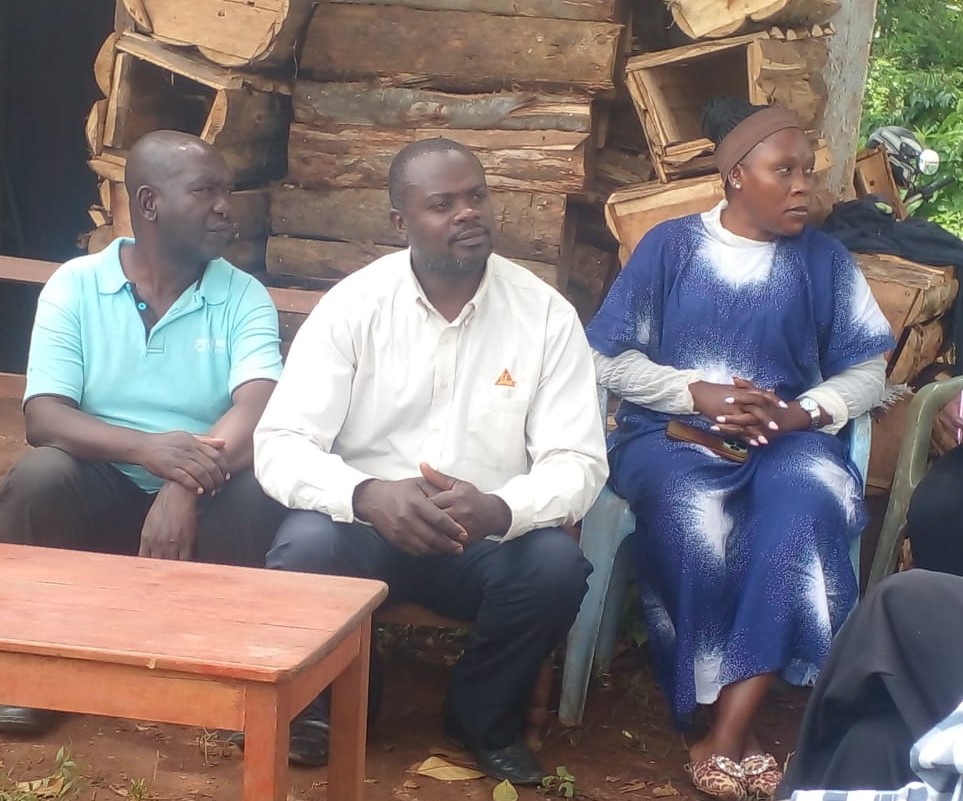
Wetland degradation also featured prominently in his remarks. Kadoma proposed introducing fish farming as an alternative livelihood for communities living near wetlands. He called on government to provide excavation equipment and fish stock to enable households to establish ponds, reducing encroachment on fragile ecosystems.
In addition, he recommended targeted livelihood support such as livestock distribution, arguing that small incentives like goats and cattle could reduce dependence on forest resources. “Give them projects that earn without destroying the forest,” he said.
Kadoma also raised alarm over the long-term environmental risks associated with Uganda’s emerging oil sector, warning that climate change impacts could intensify if mitigation measures are not prioritized. He cited ongoing degradation in forests such as Bugoma and called for restoration of ecological corridors to support wildlife, particularly chimpanzees.
Central to his recommendations is the need for clear land-use demarcation. He urged authorities to map and mark wetland buffer zones, noting that unclear boundaries often fuel conflict and encroachment. “Let there be pillars so communities know where to stop,” he said, adding that sensitisation campaigns must accompany enforcement.
Kadoma highlighted the unique role of culture in conservation, describing chimpanzees as spiritual and cultural symbols among communities in Bunyoro. He credited CCFU for strengthening this approach through training and awareness, enabling grassroots groups to promote conservation using indigenous knowledge systems.
Through partnerships with the Bunyoro-Kitara Kingdom, his organisation is also documenting cultural heritage sites to boost tourism and community pride.
“Conservation is forever,” Kadoma said, stressing that protecting nature must go hand in hand with safeguarding cultural identity and improving livelihoods.