



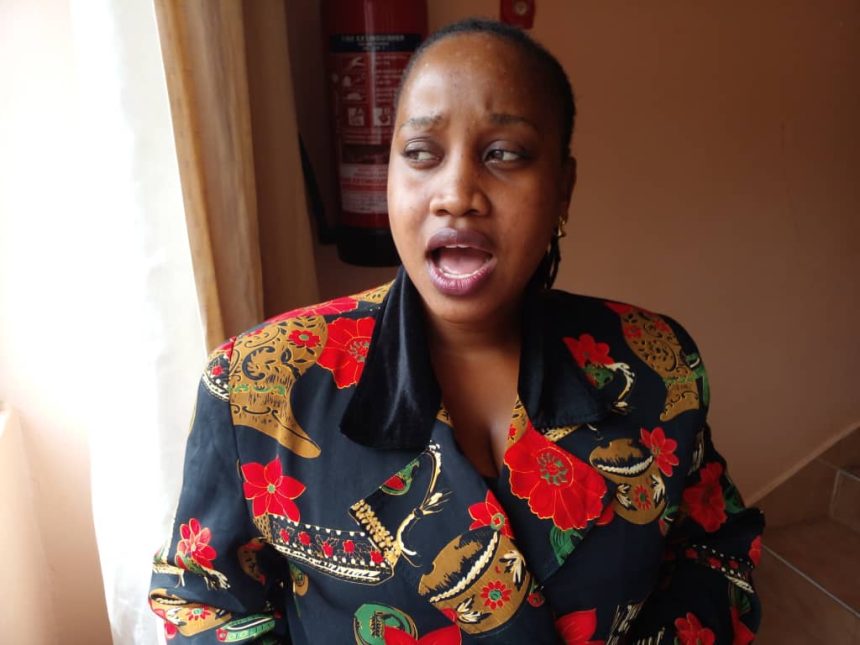
Laura Angel Kyakunzire, an Advocacy Officer at UGANET (Uganda Network on Law, Ethics, and HIV/AIDS), has raised concerns over persistent challenges affecting adolescent girls and young women in accessing sexual and reproductive health (SRH) resources.
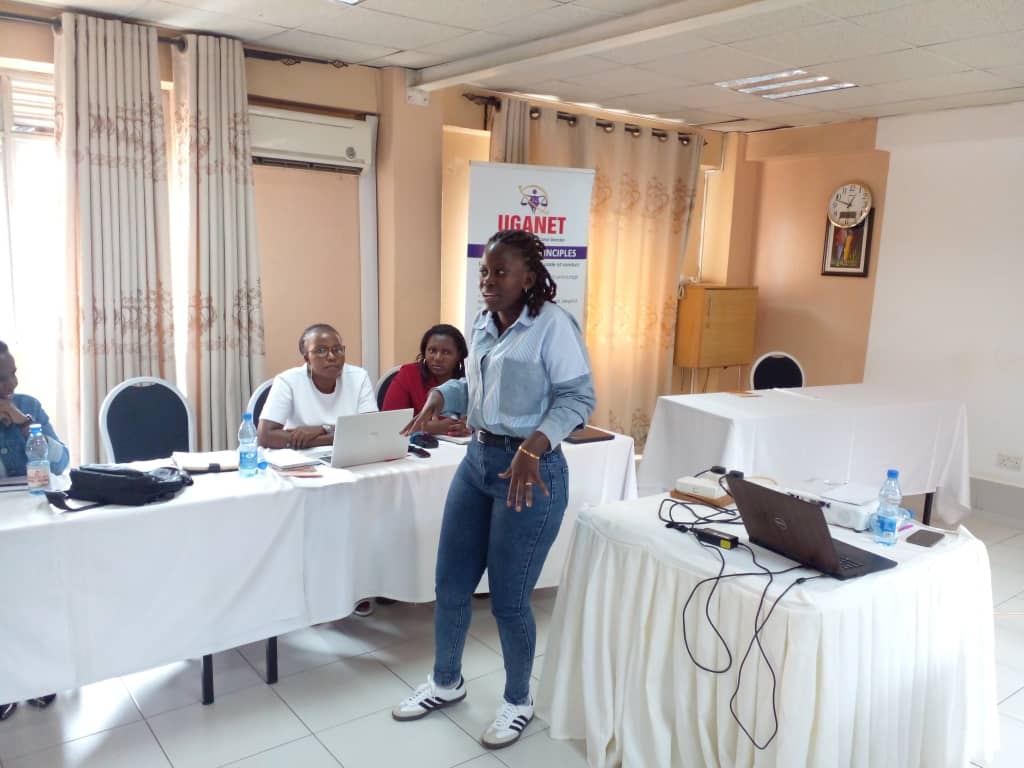
Speaking at UGANET’s biannual think tank, she emphasized the critical need for addressing issues that limit young women’s ability to fully realize their SRH rights.
The event, attended by stakeholders and young women, served as a platform to discuss key barriers, including Menstrual Hygiene Management(MHM), gaps in family planning knowledge, and workplace and educational policies on menstrual leave.
“Menstrual hygiene management remains a significant challenge,” said Angel. “There are gaps in the hygiene of reproductive organs and access to essential menstrual products. Schools and workplaces must also consider introducing menstrual leave policies to support women and girls.”
Angel also highlighted a troubling lack of comprehensive information on family planning. Many young women, she noted, are not informed about the potential side effects of family planning methods, leading to hesitation and misinformation.
“In some areas, there is a complete lack of information about family planning options and their side effects, leaving many women in the dark,” she added.
The discussions revealed that these challenges are exacerbated by systemic issues, including cultural stigma, inadequate healthcare access, and limited public awareness campaigns.
The think tank participants called for a multi-faceted approach, urging policymakers, educational institutions, and community leaders to prioritize SRH education and resources.
UGANET continues to advocate for policies that address these gaps and empower young women with the tools and knowledge they need to make informed decisions about their health.
The think tank underscored the importance of sustained advocacy and collaboration to bridge these gaps and ensure that every woman and girl has access to essential SRH services and rights
A recent International Rescue Commitee(IRC) survey indicated that only 3 of the 14 districts provided emergency clothing at school. Out of the 79% women and girls that indicate experiencing menstrual pain, only 28% have access to pain killers. Few schools were found to provide soap and basins to the girls and female teachers. Only 30 out of the 120 teachers interacted with indicated having had a training in MHM.
In Uganda, its estimated that over 1.2 million girls aged 12-18 years face challenges related to menstrual hygiene management, according to a report by the Ministry of Education and Sports.