



The leadership of the Democratic Alliance has distanced itself from the ‘protest vote’ strategy being advocated by sections of the opposition, particularly the National Unity Platform (NUP).
The alliance argues that this approach risks legitimizing the ruling National Resistance Movement (NRM) government in the forthcoming elections.
Instead, the Democratic Alliance has called on all political actors to set aside their differences and work collectively towards pressuring the NRM administration into amending electoral laws to ensure free and fair elections.
NUP leader Robert Kyagulanyi Ssentamu recently told his supporters that his party’s leadership had resolved to participate in the 2026 elections as a form of protest. However, he did not elaborate on how this strategy would challenge the current electoral system.
This marks a shift from his previous stance in 2022, when he stated he would not contest again unless the electoral process was reformed. Earlier this year, however, he reversed his position, announcing his intention to stand for the presidency under the new ‘protest vote’ narrative—a move critics argue could inadvertently reinforce the ruling party’s grip on power.
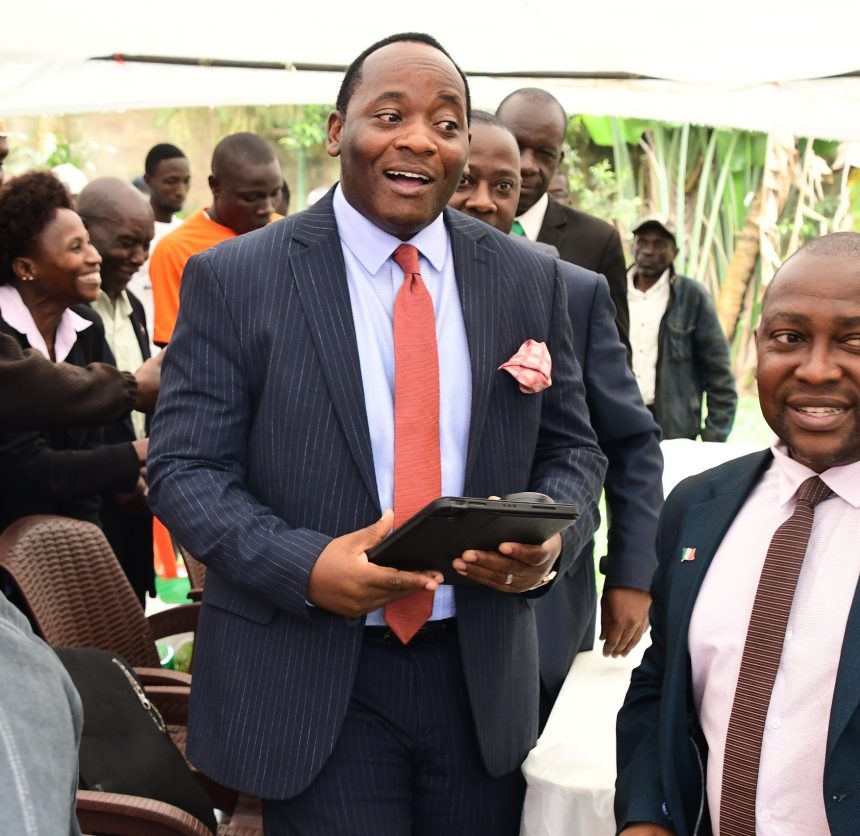
Speaking at a Democratic Alliance meeting in Namirembe, interim leader and former Leader of the Opposition, Mathias Mpuuga Nsamba, warned that opposition participation in elections without substantial electoral reforms serves to validate what he described as election malpractice by the NRM.
Mpuuga emphasized that the Democratic Alliance’s priority is to unite the opposition in pushing for meaningful changes to the country’s electoral framework, asserting that without such reforms, Uganda cannot achieve a truly democratic electoral process.
He urged Democratic Alliance leaders nationwide to remain committed to the alliance’s values and mission, stressing the importance of fostering a political environment that promotes credible leadership and genuine democratic competition.