



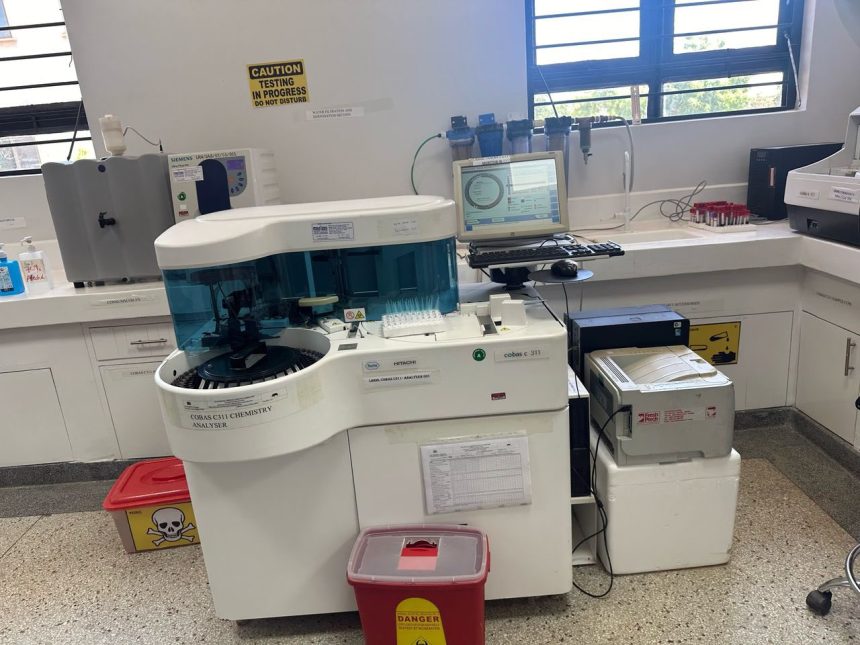
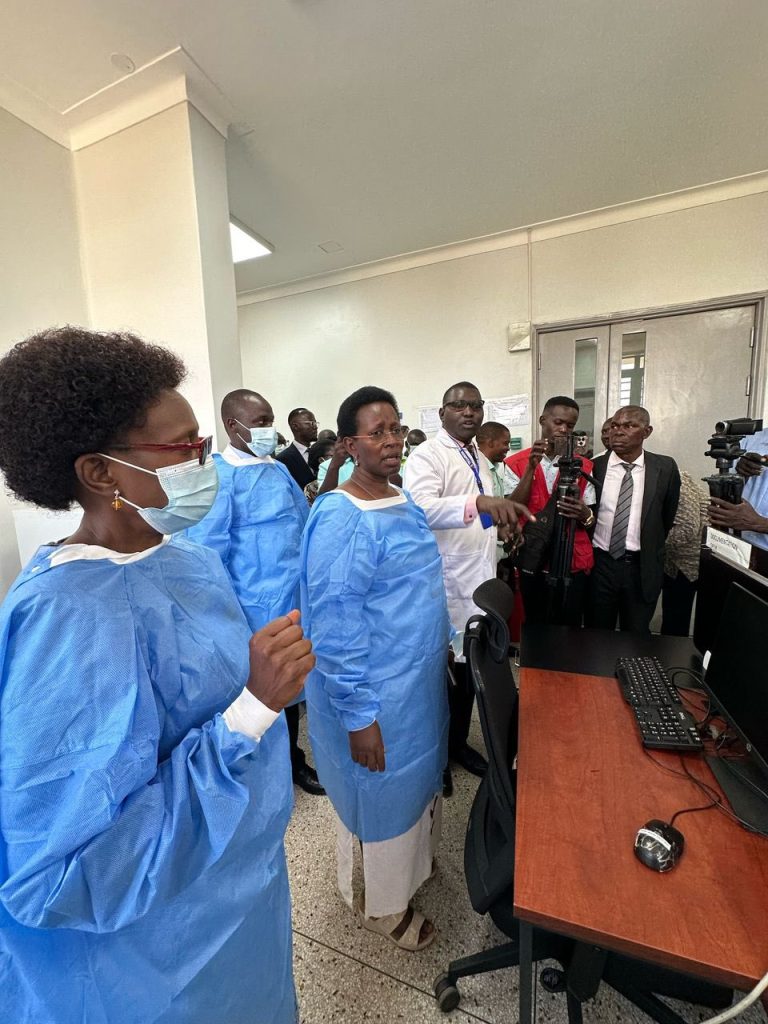
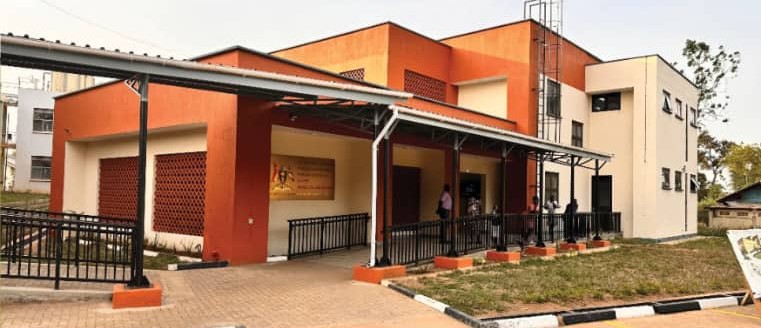
The Minister of Health, Dr. Jane Ruth Aceng Ocero, has officially inaugurated a state-of-the-art satellite laboratory at Lira Regional Referral Hospital, a move aimed at strengthening laboratory services in the region.
Dr. Aceng was accompanied by the Permanent Secretary of the Ministry of Health, Dr. Diana Atwiine, Commissioner for Health Infrastructure, Eng. George Otim, UCREPP Project Coordinator Dr. Michael Mwanga, and other senior technical officials.
The UGX 4.5 billion facility has been established under the Uganda COVID-19 Response and Emergency Preparedness Project (UCREPP) with support from the World Bank. It is expected to enhance diagnostic capabilities and improve healthcare outcomes in the Lango Sub-region.
“This laboratory will go a long way in bolstering our capacity to diagnose and manage diseases effectively, ensuring better healthcare delivery for the people of Lira and beyond,” said Dr. Aceng during the opening ceremony.
Healthcare Crisis in Lango Sub-region
The launch of the satellite laboratory comes amid ongoing healthcare challenges in the region. Lira Regional Referral Hospital, which serves over two million people in the Lango Sub-region, has been grappling with high child mortality rates. Recent data indicate that 180 newborns died in the Neonatal Intensive Care Unit (NICU) at the facility between January and December 2024.
Despite being equipped with essential Intensive Care Unit (ICU) equipment, the hospital remains unable to offer full ICU services due to a critical shortage of specialized personnel, particularly anesthesiologists.
Health officers attributed the challenge to the difficulty in attracting anesthesiologists to work in the region which leads to the inability to provide advanced life-saving care.
The Ministry of Health has acknowledged the crisis and pledged to explore strategies to address the shortage of specialized healthcare personnel in underserved regions.
With the establishment of the new satellite laboratory, health officials remain optimistic that diagnostic services will improve, paving the way for better medical interventions and patient outcomes in northern Uganda.