



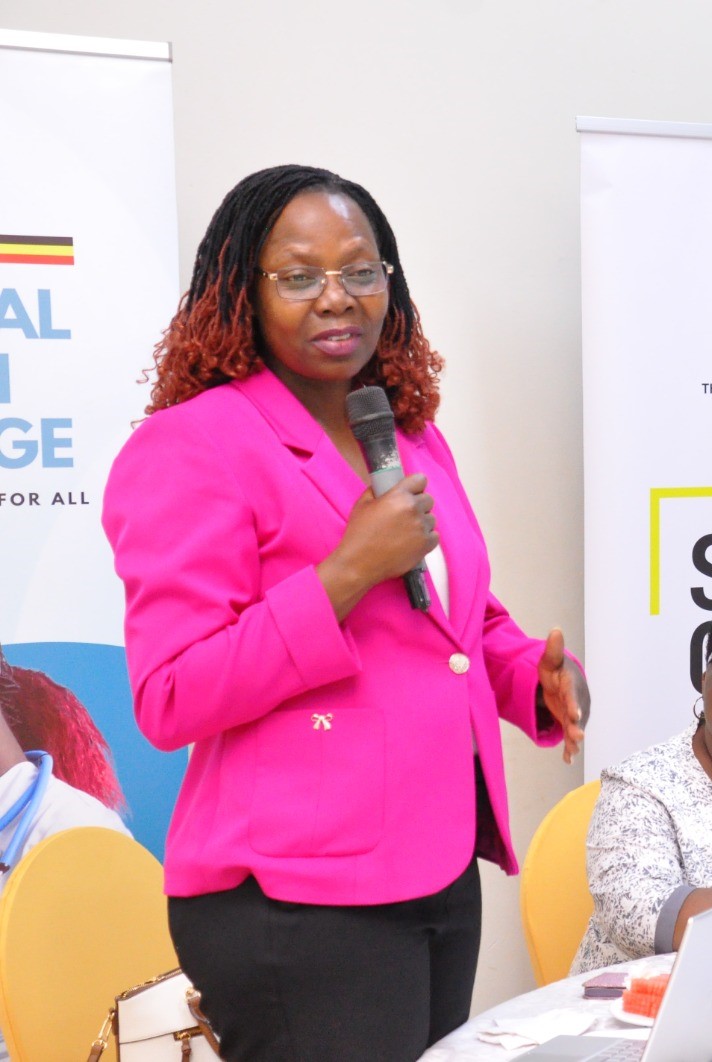
In an effort to enhance sexual and reproductive health (SRH) awareness among young people, Roseline Achola, an SRH expert at the Ministry of Health, sheds light on a collaborative campaign,the Step Up for Access, aimed at educating and empowering youth across five countries, including Uganda. In this interview, she discusses the significance of age-appropriate messaging, the role of various stakeholders, and the challenges young people face in accessing critical SRH services.
A Collaborative Approach to SRH Education
“This campaign is not about reinventing the wheel,” Achola explains. “It is about uplifting the need to reach more young people with SRH information that empowers them to stay healthy and unlock their potential.” The campaign’s core messages emphasize the importance of staying safe, remaining in school, and becoming productive members of society.
To achieve this, the initiative actively engages the media, religious leaders, cultural leaders, and other key stakeholders. Achola stresses that their collective involvement is crucial in delivering age-appropriate messages that can protect young people from various SRH risks, including teenage pregnancies, sexual abuse, and HIV transmission.
Addressing the Barriers to SRH Awareness
Despite efforts to educate the youth, several barriers hinder the effective dissemination of SRH information. According to Achola, one major challenge is the misinterpretation of the age of consent by health workers. “When a 12-year-old girl walks into a health facility because she is sexually active, some health workers wrongly deny her access to services,” she says.
Uganda’s constitution guarantees universal health access, regardless of age, status, or economic background. “By the time a young person approaches a health worker, they are already in distress. It is crucial for health professionals to listen and offer the necessary services without judgment,” Achola asserts.
The Role of Parents and Society in SRH Education
The campaign also targets parents, urging them to be primary sources of guidance for their children. “If parents do not talk to their children about SRH, someone else will, and that person may not give the right information,” Achola warns.
She highlights the risks posed by unregulated access to social media and the internet, where young people may encounter misleading content.
Furthermore, Achola calls for a concerted effort in tackling the root causes of teenage pregnancy and HIV/AIDS among youth.
“It is not just about the young girls; we must also hold the responsible men accountable. If a 12-year-old is pregnant, there is an adult behind that pregnancy,” she emphasizes.
Defining the Right Age for SRH Education
While Uganda’s constitution defines anyone under 18 as a child, the World Health Organization (WHO) classifies individuals aged 15 to 49 as being of reproductive age. “We know that girls as young as 12, 13, and 14 are getting pregnant. This reality necessitates early intervention and education,” Achola explains.
She advocates for a proactive approach in ensuring that young people receive comprehensive SRH education before they find themselves in vulnerable situations.
“By equipping them with the right knowledge, we can help them make informed decisions, avoid risky behaviors, and ultimately, lead healthier lives.”
Conclusion
Roseline Achola’s insights accencuates the urgent need for a multi-sectoral approach to SRH education in Uganda. By fostering collaboration among health workers, parents, religious and cultural leaders, and the media, young people can receive the guidance and support they need. Through this campaign, Uganda aims to reduce teenage pregnancies, combat HIV/AIDS, and promote overall youth well-being.
As Achola puts it, “We cannot afford to bury our heads in the sand. It is time to take action and ensure our young people have the knowledge and resources they need to thrive.”