



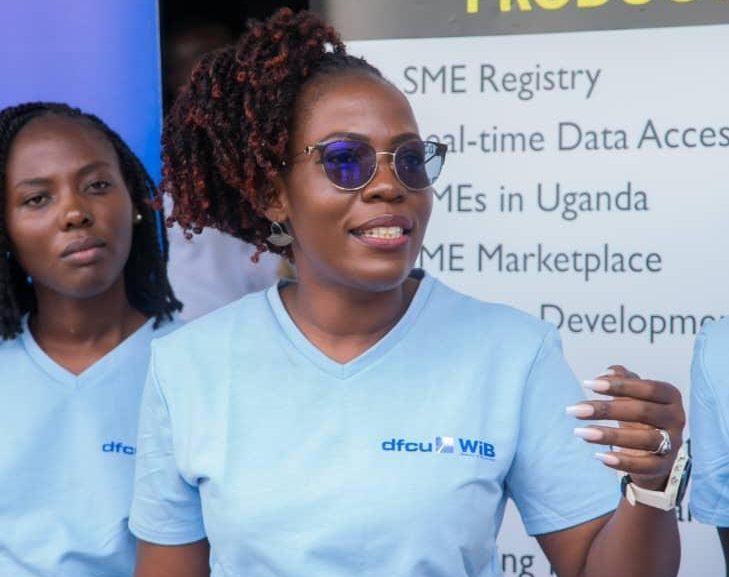
Diana Nabukenya Adeyemi is the dynamic force behind Richland Foods Ltd, the company that birthed the Yo ‘Nyama brand — a thriving chain of halal butchery kitchens redefining meat consumption in Uganda. Starting during the uncertainties of the COVID-19 pandemic, she transformed a modest family livestock farm into a vertically integrated, value-added meat enterprise.
In this interview, Diana discusses the origins of her business, challenges faced in Uganda’s male-dominated agribusiness space, and the impact of participating in the Dfcu Bank’s Rising Woman Initiative.
Q: What inspired the launch of Richland Foods Ltd?
I founded Richland Foods in 2020 during the COVID-19 lockdown. The inspiration came from a desire to offer clean, safe, and high-quality meat. Having lived abroad, I witnessed stark contrasts in food hygiene and saw a clear gap in Uganda’s meat handling standards. With my family’s livestock farm already operational, I seized the opportunity to launch Yo ‘Nyama — a modern, halal-certified brand focused on traceability, food safety, and cutting out exploitative middlemen.
Q: What were the biggest challenges you encountered, especially as a woman in agribusiness?
Agribusiness in Uganda remains male-dominated, and I faced significant skepticism and resistance, especially from entrenched middlemen. Juggling a full-time job while bootstrapping the business was extremely demanding. Accessing capital for equipment was tough, and managing a growing team without formal HR systems was another uphill task. Additionally, the unregulated nature of the meat processing industry made it difficult to compete fairly with informal players who often compromised on standards.
Q: What values drive your leadership and business philosophy?
Integrity, customer-centricity, and accountability are our guiding pillars. Personally, I lead with passion, agility, and resilience. The ability to adapt quickly has been essential — we’ve evolved from selling raw meat to offering slow-smoked, ready-to-eat products that differentiate us in a competitive market.
Q: What sets Richland Foods apart in Uganda’s agricultural value chain?
Yo ‘Nyama is more than a meat shop — it’s a culinary innovation hub. We offer premium slow-smoked meats, marinated cuts, sausages, and other value-added products. Our meats are smoked for up to 24 hours, enhancing tenderness and flavor while promoting healthier consumption. This import-substitution approach contributes to food security and positions us as a leader in local food innovation.
Q: How do you source your products? Are local farmers involved?
Absolutely. We work directly with over 100 registered farmers across Kampala, Wakiso, and Mukono. Our own farm in Zirobwe supplies poultry, eggs, and vegetables. We also collaborate with smallholder farmers for fresh produce, including potatoes, herbs, and spices. Our model strengthens both rural farming communities and urban supply chains.
Q: How did you become involved with the Dfcu Rising Woman Initiative?
A friend recommended attending a Women in Business event hosted by dfcu Bank. I was immediately drawn to the vision. We submitted our application with a refined pitch, and the experience turned out to be truly transformational.
Q: What was your experience during the program?
It was incredibly eye-opening. The judges encouraged us to pursue halal certification, which has since become central to our brand identity. The exposure trip to Nairobi introduced me to inspiring women entrepreneurs and reinforced the belief that being a woman in business isn’t a barrier — it’s an advantage.
Q: How did being ranked among the top 10 Rising Women impact your business?
It validated our efforts and boosted our credibility. It proved that sustainable growth can be achieved without shortcuts — through vision, values, and consistency. It also opened up new networks and opportunities that continue to shape our trajectory.
Q: What measurable impact has Richland Foods had so far?
We supply over 500 households every week and directly support more than 100 farmers. Over the past five years, we’ve engaged nearly 1,000 farmers indirectly. We employ over 20 people directly and over 50 indirectly, including riders, rural animal traders, and packaging assistants. Our business model has become an ecosystem that sustains livelihoods across the agricultural value chain.
Final Thoughts
The Rising Woman Initiative was a game-changer for us. It offered mentorship, visibility, and strategic clarity. For women entrepreneurs like myself, such platforms do more than empower — they activate our potential and accelerate long-term growth.