



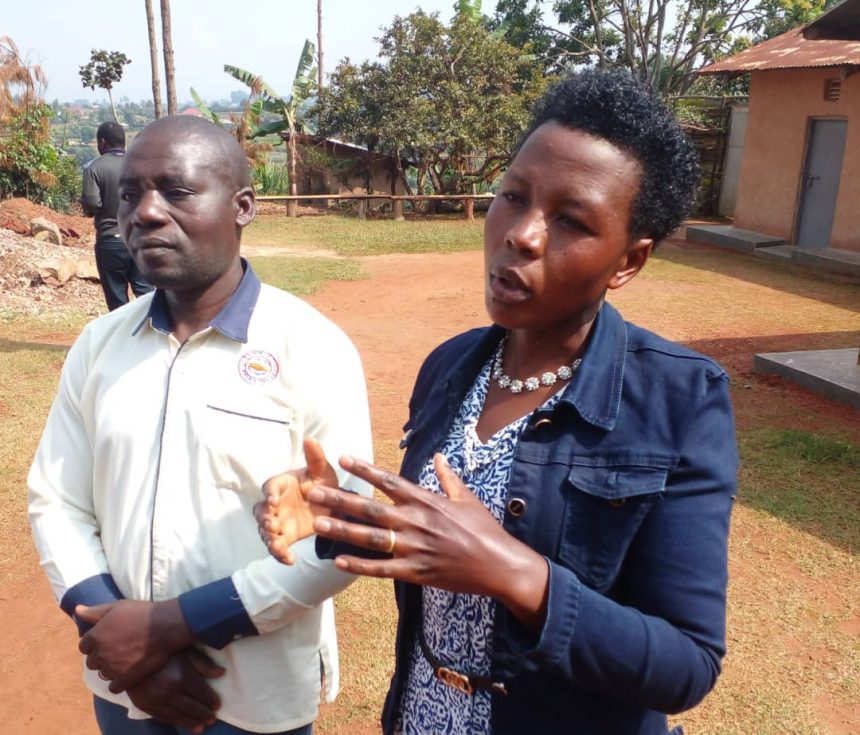
On the slopes of Nyabyumba Village, Katenga Parish in Kamuganguzi Sub-county,Kabale District, Denis Mwesigyire and his wife, Tushabomwe Sarah, are rewriting their farming story. For years, the couple tilled five acres of land, earning no more than Shs 5 million annually.
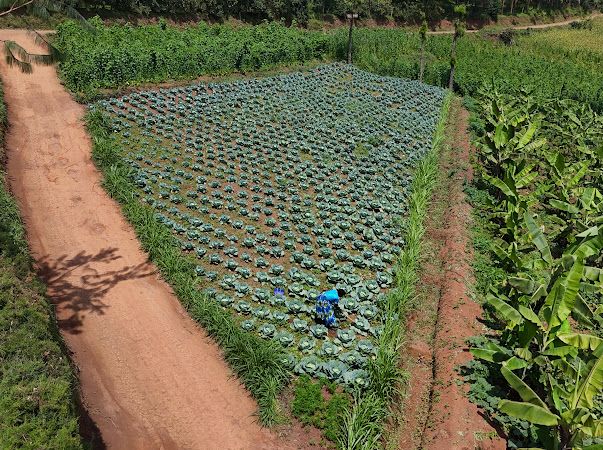
Today, thanks to training under the Building Resilience and Inclusive Growth of Highland Farming Systems for Rural Transformation (BRIGHT) Project, they project annual earnings of over Shs 30 million from diversified mixed farming.
The four-year BRIGHT Project, running from October 2022 to September 2026, is spearheaded by the International Fertilizer Development Center (IFDC).
Funded by the Kingdom of the Netherlands,it seeks to empower smallholder farmers in Uganda’s highlands with skills and tools to withstand climate and economic shocks, while also improving food security, household incomes, and sustainable land management.
According to IFDC’s Communications Manager, Shamim Nalubega, the project among others equips farmers partly with practical knowledge in climate-smart farming while through sustainable practices, improved value chains, and enhanced financial inclusion for highland farm households.
“We train them on soil and water conservation methods such as terraces and fanya juu trenches that retain nutrients and protect gardens from erosion. Alongside that, we emphasize quality agronomic practices, including the use of high-quality inputs like certified potato seed supplied by local entrepreneurs such as Charles Byarugaba,” Nalubega explained.
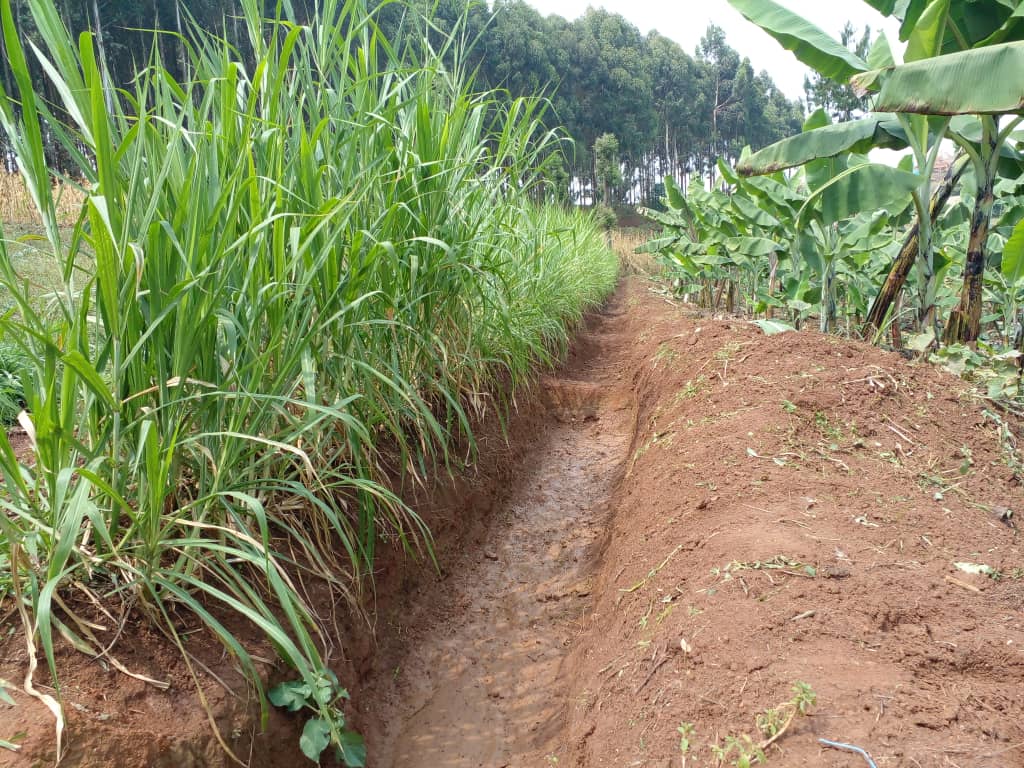
This approach, not only improves yields but also enhances resilience against weather-related risks, ensuring that farmers’ investments translate into higher incomes.
Beyond production, BRIGHT addresses the long-standing challenge of post-harvest losses and exploitative middlemen.
Sarah and Denis now dry their produce, store it properly, and sell through cooperatives. “Instead of being forced to sell cheaply from our gardens, we fetch premium prices by accessing organized markets, including schools and hotels, Sarah noted.
The project also connects farmers to financial institutions and cooperatives, making credit and digital financial services more accessible. Partners such as Pearl Capital Partners and Oxfin are helping farmers like Sarah and Denis keep better financial records and expand their enterprises sustainably.
On their farm, Sarah and Denis have embraced crop and livestock diversification. Their portfolio now includes Irish potatoes, bananas, beans, vegetables, and livestock.
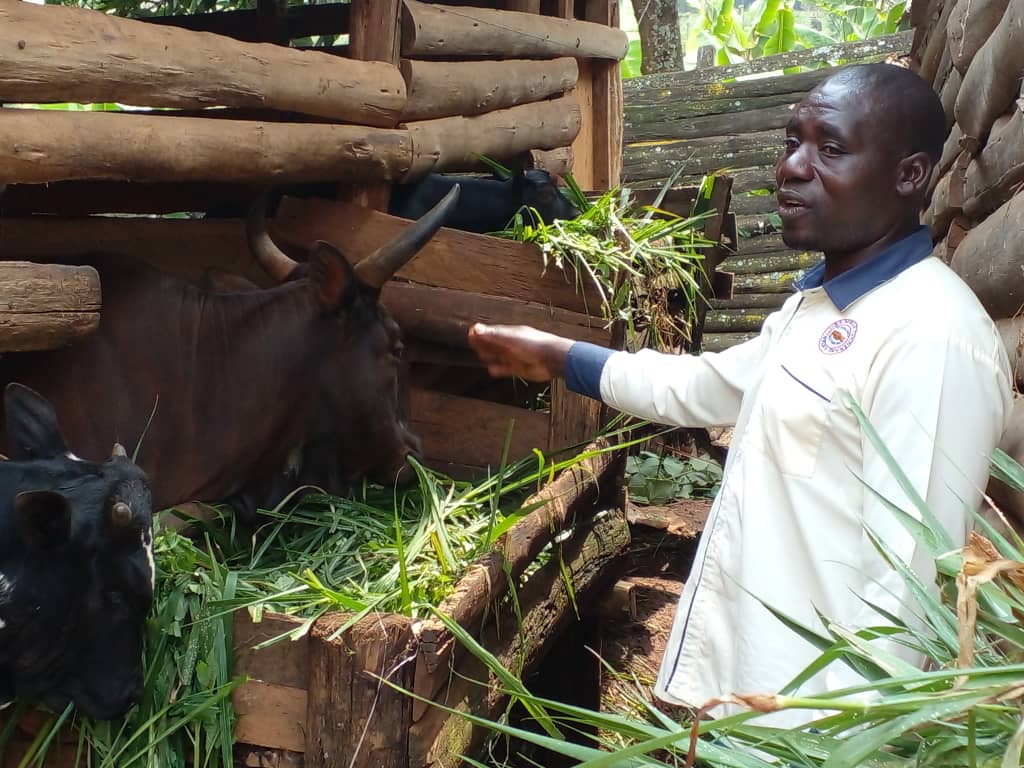
This ensures year-round harvests, improved family nutrition, and multiple streams of income. “Instead of depending on only bananas, we can now sell beans, cabbage, and other crops at different times of the year. That diversification strengthens both food security and profitability,” Denis remarked.
A unique pillar of the BRIGHT Project is Participatory Integrated Planning (PIP). Farmers are guided to create household vision plans that outline their agricultural investments, income strategies, and labor responsibilities.
“Previously, we farmed without clear plans. Now, as a couple, and children we sit together, map out priorities, and share responsibilities. This has reduced household conflicts, improved harmony, and made farming more inclusive,” Sarah revealed .
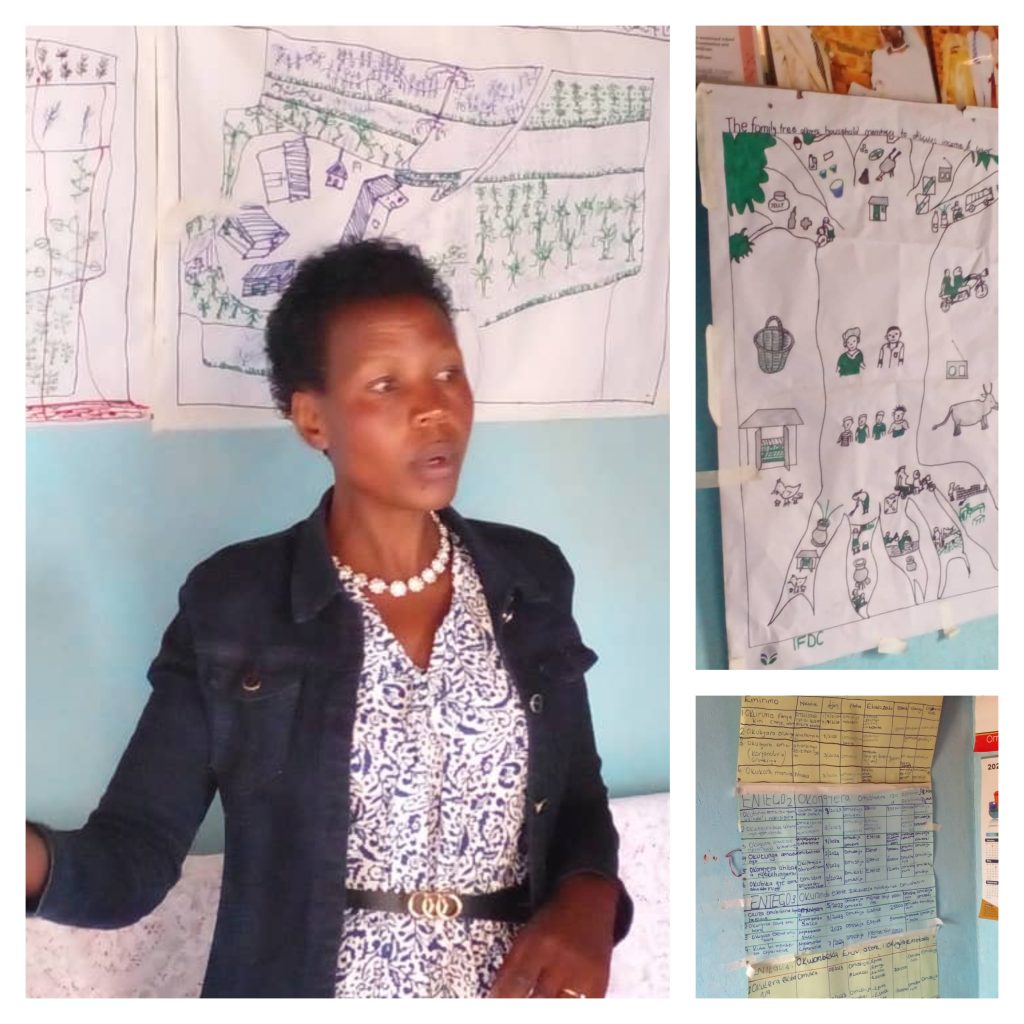
For Sarah and Denis, this has meant working as a team, setting goals, and tracking progress together. “They draw their plan, put it on the wall, and review it regularly. That plan becomes a guiding document for the household,” she added.
So far, the PIP approach has reached thousands of farmers across Uganda’s highlands. IFDC estimates that over 100,000 farming households will adopt this model by the end of the project.
The highland terrain, presents both challenges and opportunities. “We grow diverse crops—coffee, bananas, maize, vegetables, and potatoes—but have struggled with poor market access and limited financial services. BRIGHT is bridging that gap by linking us directly to service providers and private sector actors,”Sarah Tushabomwe, noted.
For Sarah and Denis, the transformation is evident. From once struggling to make ends meet, they are now on the path to prosperity, with their children actively involved in planning and their produce commanding higher value in the market.
And for the wider Kabale community, BRIGHT represents more than a project—it is a blueprint for resilience, sustainable growth, and inclusive transformation in Uganda’s highlands.