



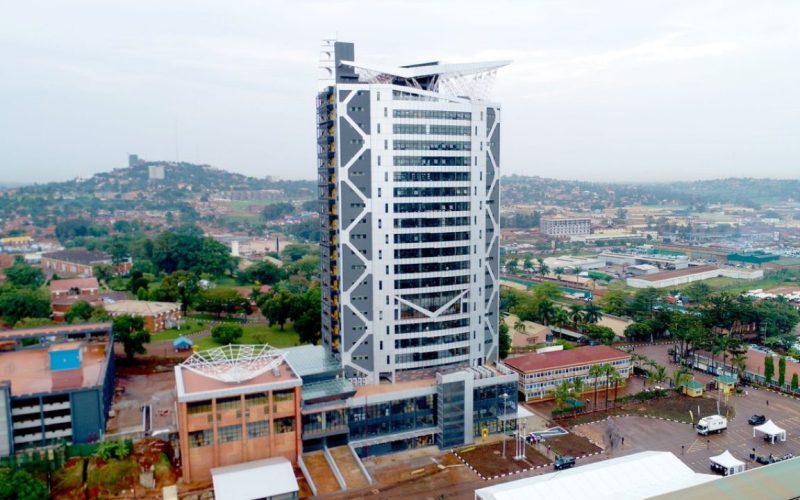
Uganda Revenue Authority (URA) Commissioner General, John Musinguzi, has assured the country that the tax body remains stable despite media reports of an alleged wave of staff resignations.
Appearing before the Committee on Commissions, Statutory Authorities and State Enterprises (COSASE) on September 3, 2025, Musinguzi dismissed suggestions of a mass exodus, stressing that departures from the authority have been isolated and based on personal career choices rather than institutional problems.
“I think the news, as far as I know, we have only had one commissioner who has resigned recently, and she has gone for greener pastures. Even in the past, people at that level always go for better opportunities. We wish her well because, in their career, that is the highest achievement one can make,” Musinguzi told MPs, citing the exit of the Commissioner for Domestic Taxes who joined a global accounting firm as a partner.
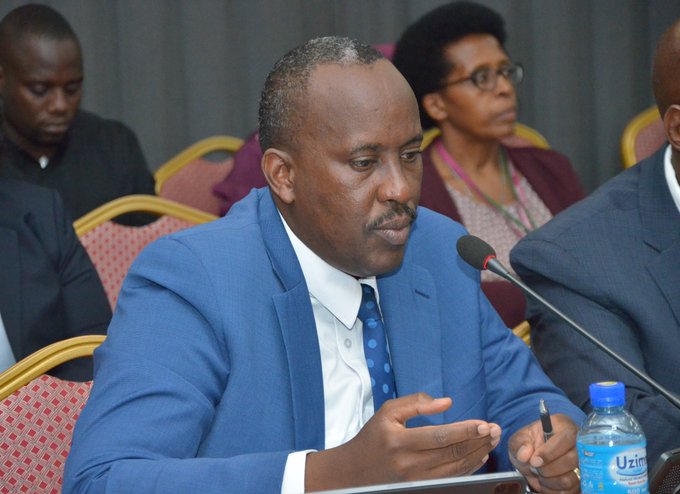
Lawmakers on the committee had pressed him to explain media reports of staff turnover at URA, warning that high-level resignations could undermine confidence in the tax body.
COSASE chairperson, Medard Lubega Sseggona, asked Musinguzi to clarify perceptions that URA had become a “bad employer,” while Mukono North MP, Fred Kayondo, questioned why the reports of departures appeared more pronounced during Musinguzi’s tenure.
Despite the concerns, Musinguzi maintained that URA continues to operate effectively, with no disruption to tax collection or service delivery. He argued that staff transitions, particularly at senior levels, are a normal feature of professional growth and should not be mistaken for institutional instability.
The session formed part of URA’s appearance before COSASE to respond to queries raised in the December 2024 Auditor General’s report. Legislators, however, urged URA leadership to remain attentive to staff welfare and internal cohesion to avoid potential disruptions in revenue mobilisation.
The assurance comes at a critical time when URA is under pressure to meet ambitious revenue targets to support government expenditure, with analysts noting that any perceived instability could raise concerns among investors and development partners.