




Africa’s rapidly growing financial technology ecosystem took center stage today as innovators, investors, and regulators converged at the continent’s largest fintech gathering hosted by the Financial Technologies Service Providers Association (FITSPA).
The event showcased cutting-edge solutions developed “by Africa, for Africa,” with leading banks, telcos, and startups exhibiting products designed to transform digital finance across the continent.
Delivering the keynote address, M-Pesa Africa CEO Sitoyo Lopokoiyit urged fintech players to leverage technology to tell Africa’s own story, warning of a new form of “digital colonialism” emerging through artificial intelligence (AI) and global data dominance.
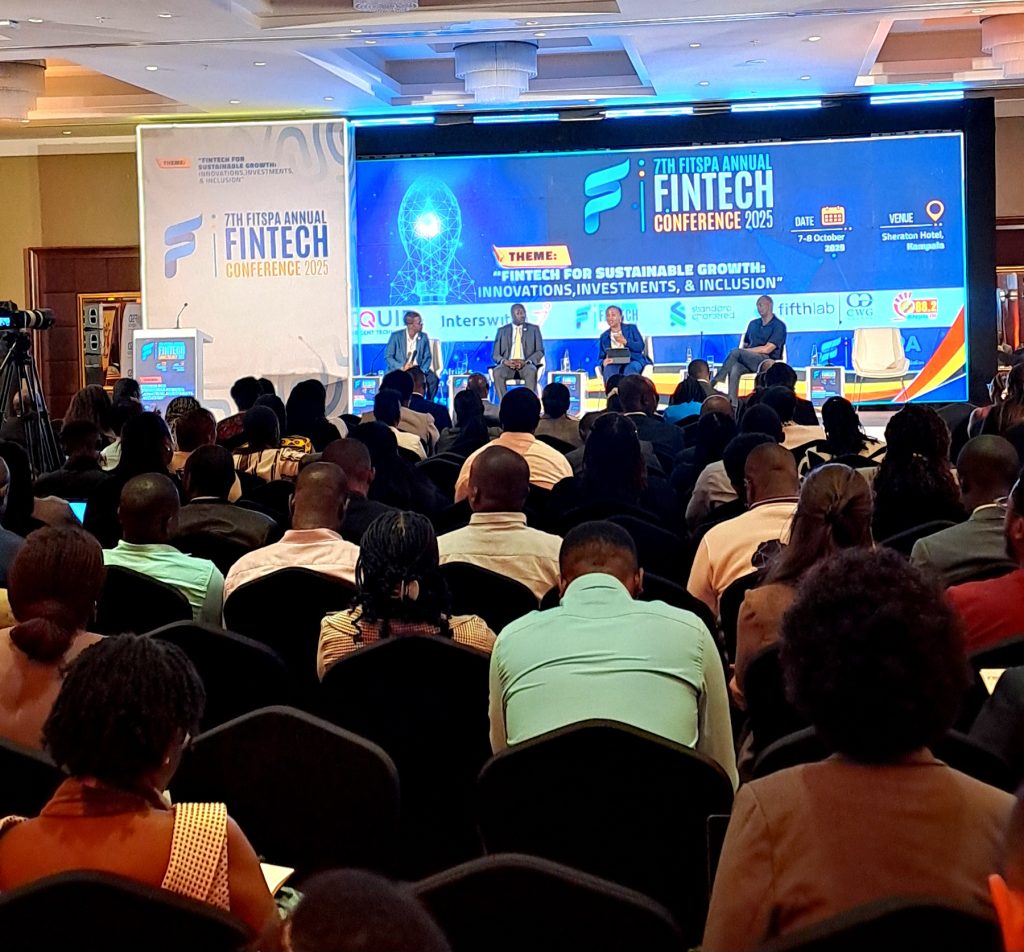
“If we’re not careful about things like AI, agentic AI, and AGI, the story of Africa will change,” Lopokoiyit cautioned. “This will be colonialism in a way we’ve never seen—one that reaches the individual level through control of information and influence.”
He cited historical examples such as Cambridge Analytica to illustrate how data manipulation can shape elections and public perception, underscoring the need for Africa to build its own algorithms and technological frameworks to safeguard its narrative and autonomy.
Lopokoiyit painted an optimistic picture of Africa’s potential, projecting the continent’s population to reach 2.6 billion by 2050, with over 65% under the age of 25. He noted that 30% of Africans already belong to the middle class — a consumer base of more than 400 million people, larger than the population of the United States.
“The best place to be in the world today is Africa,” he said. “Big tech companies like Microsoft, Google, Nvidia, and Oracle know this — that’s why they’re setting up here. If they’re not in Africa, they won’t be the big companies they are in the next 20 years.”

Speaking about M-Pesa’s performance, Lopokoiyit revealed that the platform now serves 65 million active customers and 5 million businesses across its markets, handling an average of 220 million transactions daily—five times more than PayPal. Yet, he lamented that African companies remain undervalued compared to their Western counterparts despite their scale and innovation.
The CEO also highlighted fintech trends reshaping global finance, including cloud computing, open banking, and the rise of digital banks like Revolut and Nubank, which are blurring lines between telcos and traditional banks.
Lopokoiyit concluded by emphasizing Africa’s small and medium enterprises (SMEs) as the backbone of economic growth, urging fintechs to build digital solutions that empower informal traders and microbusinesses.
“Seven out of ten jobs in Africa come from SMEs,” he said. “If we can innovate around their financial health — not just inclusion — Africa’s fintech revolution will truly be unstoppable.”