



The government has embarked on the development of a new National Anti-Corruption Strategy for 2025–2030, signalling renewed determination to curb corruption and hold accountable all officials implicated in the misuse of public resources.
The move follows a recent report by the Inspectorate of Government, which revealed that Uganda loses an estimated 10 trillion shillings annually to corruption—money that could significantly improve service delivery across the country.
Officials from the Directorate of Ethics, Policy, and Standards in the Office of the President have launched nationwide stakeholder consultations to gather input on how best to strengthen the fight against corruption.
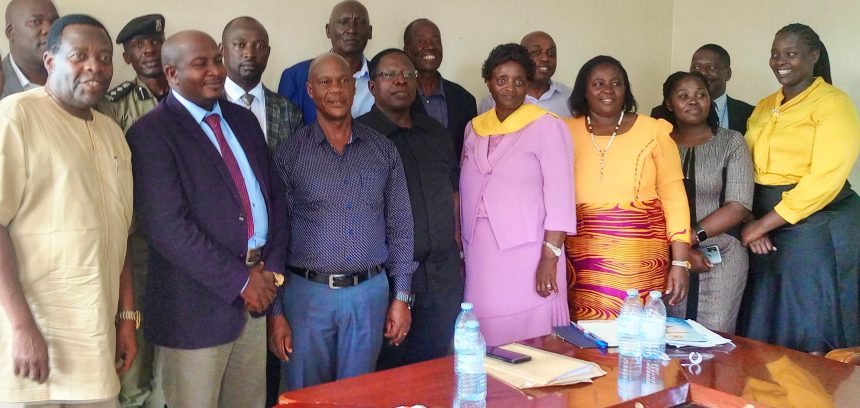
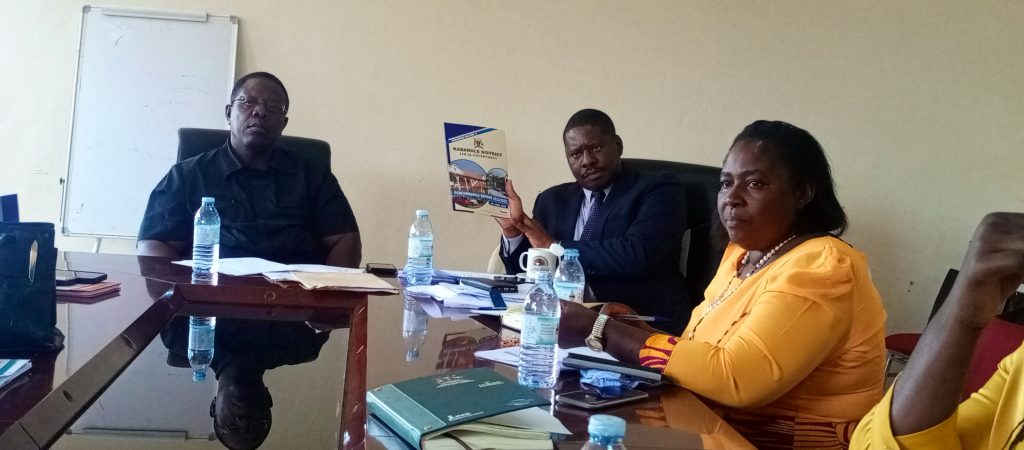
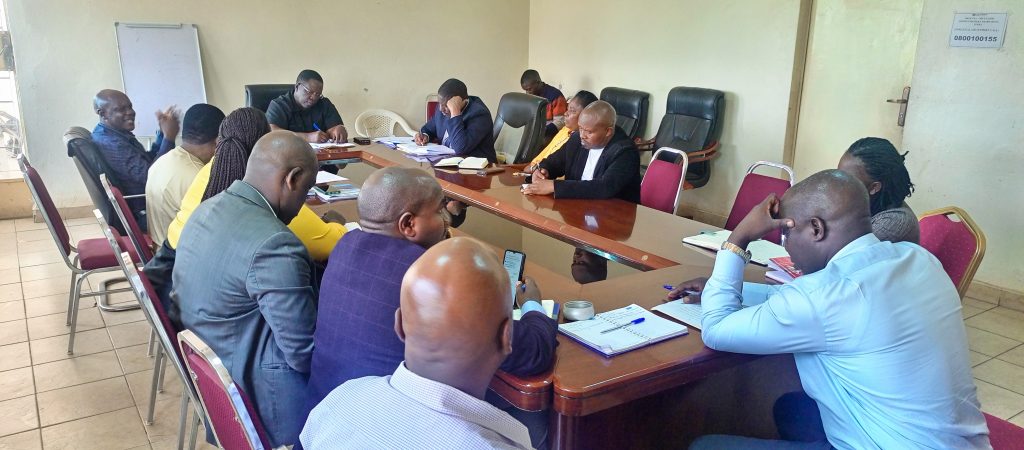
One such consultative meeting was held at the Kabarole District headquarters in Kitumba, drawing participants from the business community, media, civil society, the clergy, judiciary, security agencies, and local government.
Moses Makumbi, the Commissioner for Ethics, Policy, and Standards, said the process aims to build a stronger and more effective framework following the expiry of the previous National Anti-Corruption Strategy in 2024.
He noted that despite the existence of several anti-corruption bodies, the persistence of graft continues to worry the president and undermine national development.
Makumbi highlighted achievements under the previous strategy, including amendments to the Leadership Code Act compelling all civil servants—not just senior officials—to declare their assets.
He also cited increased funding for anti-corruption agencies from 60.6 billion to 88.2 billion shillings, improved coordination among institutions, and greater use of digital tools for faster recovery of stolen funds.
Participants raised concerns and recommendations to inform the new strategy. Deputy Chief Administrative Officer Hakiza Arthur stressed the need to address salary disparities across government institutions, arguing that significant wage gaps demoralize workers and fuel corrupt practices.
Resident District Commissioner Ssekabiito Joseph proposed merging multiple anti-corruption agencies into a single unit to streamline operations and improve communication.
Balinda Resty Mbaijana, Secretary for Works in Kabarole, pointed to challenges in hybrid procurement processes, saying stalled central government projects raise suspicion among communities and negatively affect service delivery.
Government officials say the contributions from these consultations will play a critical role in building a comprehensive, effective anti-corruption strategy that promotes transparency, accountability, and improved governance over the next five years.