



Uganda’s economy posted robust growth of 6.3 percent in the 2024/25 financial year, underpinned by strong domestic demand and rising export earnings, but the International Monetary Fund has cautioned that widening fiscal pressures could undermine stability if left unaddressed.
In its January 2026 Post-Financing Assessment, the IMF notes that while Uganda’s capacity to repay remains adequate, fiscal vulnerabilities have intensified amid elevated spending and rising debt-servicing costs.
The Fund attributes the strong growth performance to improved activity across services, industry and agriculture, alongside a recovery in regional trade that has supported export volumes.
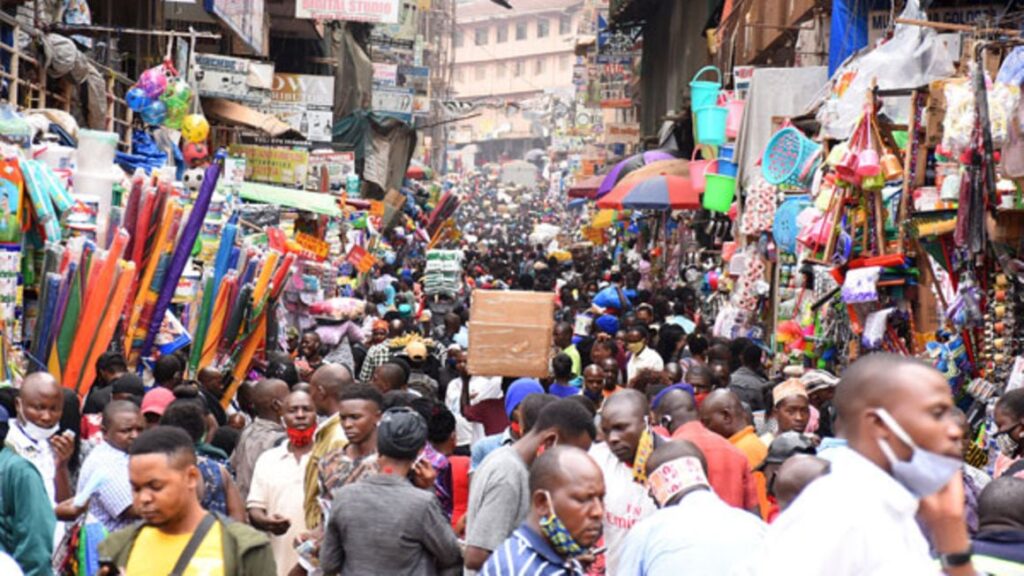
Inflation remained contained throughout the period, staying below the Bank of Uganda’s medium-term target of 5 percent, reflecting prudent monetary policy and easing global price pressures.
Macroeconomic buffers also strengthened, with gross international reserves rising on the back of higher export receipts and sustained foreign exchange purchases by the central bank.
However, the IMF flags a significant deterioration in the fiscal position. The overall fiscal deficit widened to around 6 percent of GDP, largely driven by high current expenditure, including wages, interest payments and social spending.
While public debt is assessed as sustainable, the Fund warns that debt-servicing obligations have become increasingly burdensome, absorbing a growing share of domestic revenues and exerting pressure on financing conditions, particularly in the domestic market.
Uganda’s banking sector is assessed as sound, with banks maintaining strong capital buffers and adequate liquidity. This resilience has helped support credit to the private sector, even as government borrowing needs remain elevated.
The IMF nonetheless cautions that continued reliance on domestic financing could crowd out private investment if fiscal consolidation is delayed.
Looking ahead, the outlook remains broadly favourable, with growth expected to stay strong in the near term and receive an additional boost once commercial oil production begins in the 2026/27 financial year.
The Fund stresses, however, that the anticipated oil revenues should not delay necessary reforms. It urges the authorities to accelerate domestic revenue mobilisation, tighten expenditure controls and strengthen public financial management and governance frameworks.
While acknowledging Uganda’s effective post-pandemic recovery, the IMF stresses that timely fiscal adjustment will be critical to safeguard macroeconomic stability and ensure that upcoming oil wealth translates into durable and inclusive growth.