



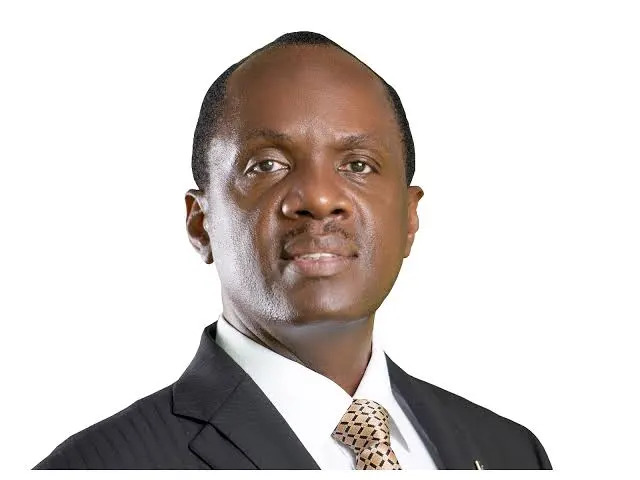
By Patrick Bitature
Owning assets does not automatically make one wealthy. A rental unit sitting empty, land appreciating slowly, or a business that demands your daily presence are possessions, not wealth. True wealth comes when assets are placed inside systems that multiply their value.
A system allows a single rental property to generate cash flow, which can then fund additional investments. Leverage accelerates growth, and reinvestment compounds it over time. One unit can become ten, then twenty, as the system continues to operate—even while you sleep.
Three key structures distinguish the wealthy from everyone else. First is the holding structure. Separating personal, business, and investment income into different legal entities provides clarity, allowing you to track precisely where money comes from and where it goes.
Second is cash flow recycling. Assets should feed other assets; returns should not sit idle in a bank. By continuously reinvesting returns into new opportunities, you create multiple income streams and turn ownership into a functioning wealth engine.
Third is long-term compounding. Setting a net worth target, defining asset allocation, and establishing a disciplined reinvestment cadence ensures that wealth grows systematically. Chasing short-term gains fragments wealth, but a well-designed system integrates it and compounds it over time.
Trophies and possessions may impress neighbors, but frameworks build empires. Systems turn individual assets into engines of growth, enabling wealth to expand far beyond what could be achieved by managing each asset in isolation.
The lesson is clear: wealth is not about what you own—it is about how your assets work for you. Build systems, and your possessions transform into a self-sustaining machine that generates financial freedom.
The author is the Founder, Chairman & CEO at The Simba Group – East Africa