



TotalEnergies has struck a fresh oil discovery offshore the Republic of Congo, reinforcing the country’s increasingly strategic push toward producing 500,000 barrels of oil per day — but beyond the technical language, the announcement speaks to a deeper story about jobs, state revenue and the future of African energy economies.
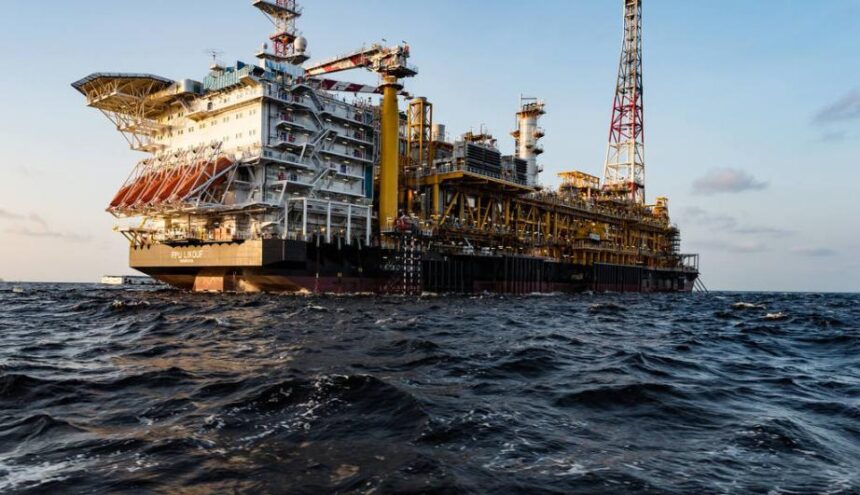
The discovery, made at the Moho G structure within the wider Moho complex, places TotalEnergies once again at the center of Congo’s oil ambitions. Working alongside the state-owned Société Nationale des Pétroles du Congo and Trident Energy, the company is building on infrastructure that already powers more than half of the country’s oil output.
For ordinary Congolese citizens, such discoveries are often discussed in distant boardrooms, yet their effects are felt closer to home. Increased production can translate into more public spending, improved infrastructure and employment opportunities — particularly in coastal regions where oil operations dominate local economies. However, it also raises familiar questions about how evenly that wealth will be distributed.
Government officials, including Hydrocarbons Minister Bruno Richard Itoua, have spent years trying to position Congo as a stable and attractive destination for energy investors. Their approach is now bearing fruit, with industry players pointing to the country’s model of “infrastructure-led exploration” — essentially squeezing more value out of existing oil fields rather than chasing entirely new frontiers.
The Moho G discovery is a clear example of that strategy. Located near existing floating production units, it can be quickly tied into current systems, reducing costs and accelerating the timeline to first oil. This is critical at a time when global energy companies are under pressure to justify investments and deliver returns faster.
NJ Ayuk, Executive Chairman of the African Energy Chamber, described the development as a signal to global investors that Congo is “doing it smarter, faster and more efficiently.”
But the story does not end with oil. Congo is also quietly reshaping its position in the global gas market. The launch of new liquefied natural gas infrastructure, led by Eni, has already pushed the country into the ranks of Africa’s top LNG exporters — a shift that could diversify revenues and reduce reliance on crude oil alone.
Meanwhile, other operators like Perenco are expanding production capacity, underlining a broader industry confidence in Congo’s long-term prospects.
If managed well, this new wave of oil and gas activity could support roads, schools and energy access while if mismanaged, could reinforce inequality in the resource-rich nation.