



By Brian Mugenyi
Government investment in rural road infrastructure is reshaping the economic landscape of Busia District, with improved transport links boosting trade, agriculture and access to essential services in one of Uganda’s busiest border regions.
Through the Ministry of Works and Transport’s Roads Grant, Busia District received approximately Shs1 billion for the 2025/2026 financial year to rehabilitate and maintain its road network. District engineers say the investment is already delivering tangible benefits by reducing transport costs, improving market access and supporting economic activity across the district’s 20 sub-counties.
Assistant Engineering Officer Musa Musanya said the government’s continued focus on road infrastructure reflects its commitment to improving livelihoods and stimulating local economic development.
“The impact of these roads has been significant. Farmers can now transport their produce to markets more easily, traders are moving goods faster, and travellers are spending less time on the road. Infrastructure development is directly improving people’s livelihoods,” Musanya said in an interview.
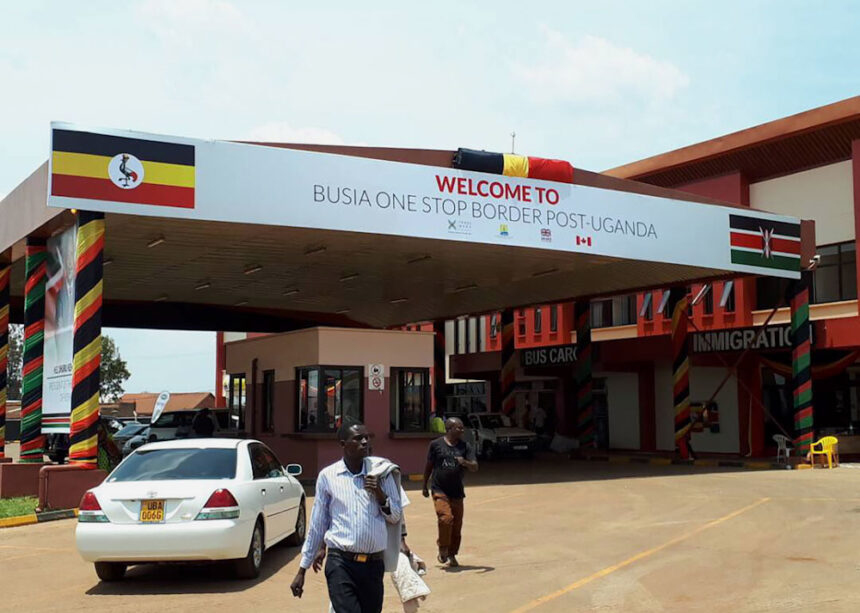
Busia’s strategic location on the Uganda-Kenya border makes road infrastructure particularly critical. Every day, thousands of traders, transporters and farmers depend on district roads to move agricultural produce, merchandise and other goods between local markets and the international border.
The district has rehabilitated and maintained about 16 priority roads, while continuing routine maintenance of community access roads throughout the district. Areas benefiting from the programme include Butema, Tiira, Buyanga, Busitema, Busime and Mayanja sub-counties.
Roads upgraded under the programme include Mukuyendege–Busabi Road, Akoleti Road, Namutere Road, Buhobe Road, Lumino Road, Buhobe–Kidingire Road, Busitema Road, Kira Salama Road, Sawuliyako–Buwembe Road, Bugundikira Road, Busiko–Bwinini Road, Busiwondo Road and Amungula Road.
According to Musanya, engineers carried out reshaping, gravelling, murraming and compaction works on sections that had become impassable, particularly during the rainy season. The projects were implemented in four quarterly phases to maximise available funding while ensuring broad geographical coverage.
Busia District currently maintains approximately 529 kilometres of district roads, with between 150 and 200 kilometres rehabilitated each year depending on government releases.
Beyond easing transport, improved roads are supporting wider infrastructure development across the district.
“Our roads are now supporting the construction of markets, schools and other public infrastructure because trucks and construction equipment can easily reach project sites. Better roads are creating opportunities for investment throughout the district,” Musanya said.
Routine maintenance on individual road sections typically takes between two and three weeks, helping preserve road quality while reducing the need for costly reconstruction in the future.
Residents and local traders say the improvements have lowered transport costs and made it easier to move agricultural produce, including maize, cassava, beans and other food crops, to trading centres and regional markets. Better roads have also improved access to schools, health facilities and government offices, strengthening service delivery in rural communities.
Busia’s economy depends heavily on agriculture, cross-border commerce and small-scale mining, making reliable transport infrastructure essential for sustaining growth and attracting investment.
The district’s engineering department, led by District Engineer George Mwindu, operates with a team of five technical officers responsible for supervising construction, maintenance and inspection works across all sub-counties.
Despite the progress, district officials say demand for improved roads continues to outpace available resources. Musanya has appealed for increased funding under the Roads Grant for the 2026/2027 financial year, together with additional road equipment, to expand maintenance coverage and preserve recent gains.
“As Busia continues to grow as a strategic border district, investment in roads remains one of the strongest foundations for economic transformation. Improved transport infrastructure is opening opportunities for farmers, traders, investors and ordinary citizens while strengthening regional trade and improving service delivery,” he said.
For many residents, roads that were once dusty, difficult and often impassable are steadily becoming economic lifelines—connecting villages to markets, enabling investment and supporting the government’s broader agenda of inclusive socio-economic transformation through infrastructure development.
mugenyijj@gmail.com