



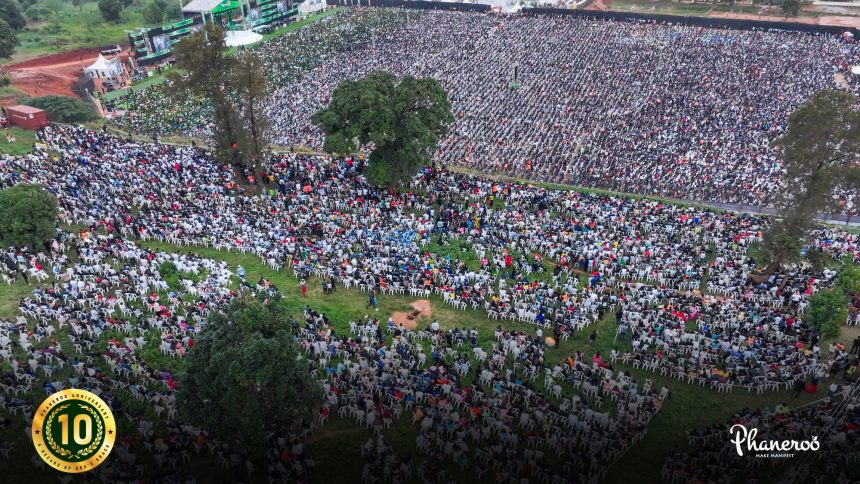
Uganda’s religious landscape is witnessing a notable shift, with Pentecostalism experiencing significant growth while other major Christian denominations, such as Catholicism and Anglicanism, are seeing declines in their shares.
According to the recently released National Population and Housing Census 2024 report, Christians continue to form the majority of the population, with 8 out of 10 Ugandans identifying as Christian.
Catholics remain the largest Christian group, comprising 37.4% of the population, followed by Anglicans at 30.0%.
However, the Pentecostal movement has seen a remarkable rise, increasing its share from 11.1% in the previous census to 14.7% in 2024. This trend reflects the growing appeal of Pentecostalism, especially among younger and more urbanized populations.
The census report, which was released alongside data on literacy, health, employment, and marriage trends, also provided insights into Uganda’s rapidly expanding population.
As of May 2024, the country’s total population stands at 45.9 million, with women making up a larger portion at 24.3 million, compared to 21.5 million men. Uganda’s population growth rate remains high at 2.9%, contributing to the overall increase in households, which now total 10.7 million.
The demographic breakdown reveals that children aged 0-17 years represent half of the total population, while youth between 18 and 30 years account for 23.5%. Older persons, aged 60 and above, form just 5% of the population, underscoring Uganda’s youthful demographic profile.
As Uganda’s religious and population trends evolve, these changes could have far-reaching implications for social and political dynamics, particularly as Pentecostalism continues its steady ascent in the country’s religious sphere.