




Uganda’s Ministry of Health has officially launched the Uganda Population- Based HIV Impact Assessment 2024-2025 (UPHIA) survey, marking a critical milestone in the country’s efforts to end AIDS as a public health threat by 2030.
The survey is the last of its kind before the global target year and will provide comprehensive, up-to-date data on HIV prevalence, incidence, and viral load suppression across Uganda.
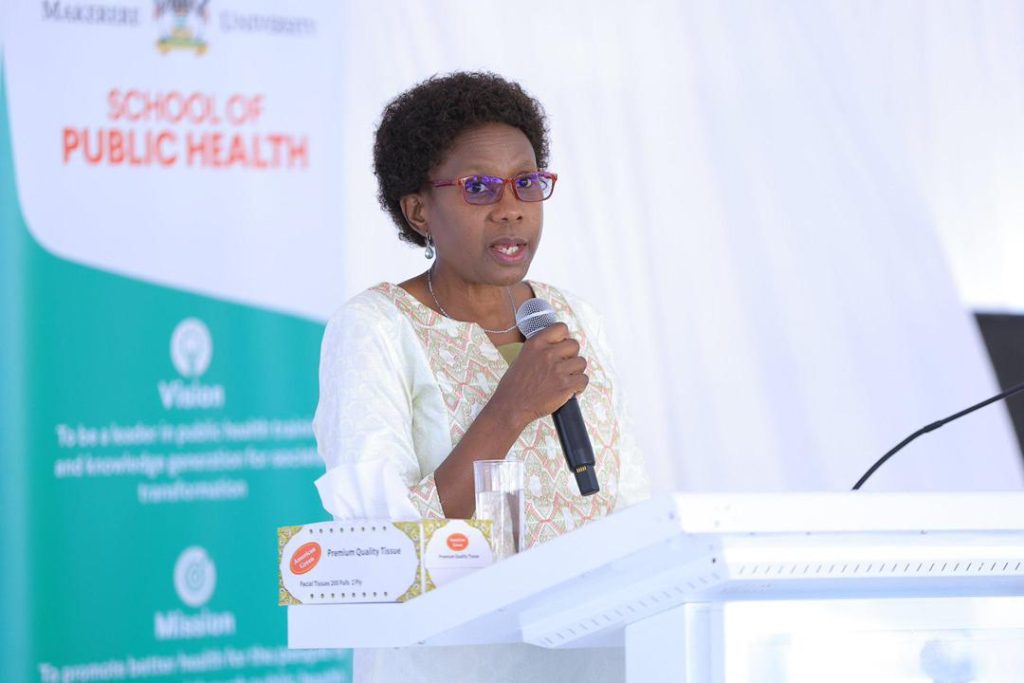
Presiding over the launch, Minister of Health Dr. Jane Ruth Aceng highlighted persistent gaps in the country’s HIV response. “Despite this progress, critical gaps remain,” she stated.
“An estimated 120,000 individuals living with HIV have not been tested to know their status and enroll into care. Adolescent girls and young women continue to account for more than one-third of new adult infections. Men also remain underrepresented in testing and treatment outcomes.”
Dr. Aceng emphasized that the survey comes at a strategic time: “These disparities are a call to action. This nationally representative household survey will help us recalibrate and refocus our efforts.” For the first time, the survey will include a qualitative post-survey assessment to hear directly from people living with HIV—particularly those not virally suppressed—to better understand their challenges.

Additionally, the survey will explore the intersection of HIV and non-communicable diseases (NCDs), and will include targeted interviews with adolescents aged 10 to 14 in regions with previously low viral suppression rates, such as mid-north and mid-eastern Uganda.
The initiative also aligns with a major policy shift towards integrated service delivery: “UPHIA will inform how we integrate HIV services with other chronic illnesses into primary health care to deliver person-centered, efficient, and sustainable services,” said Dr. Aceng.
U.S. Ambassador William Popp reaffirmed America’s long-standing support, revealed that the United States has invested nearly $3 billion (UGX 11 trillion) in Uganda’s HIV response since 2003 through PEPFAR.
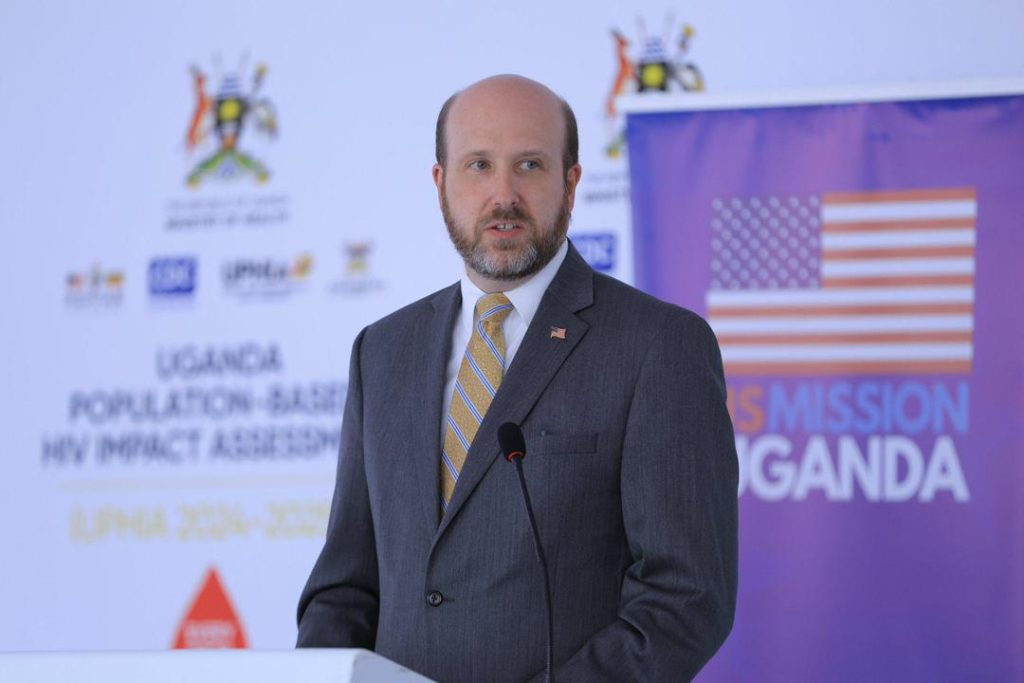
“Together, we have saved millions of lives,” Ambassador Popp remarked. “While the U.S. is reviewing all federal assistance programs, we remain committed to life-saving and humanitarian work here in Uganda.” He announced a $10 million contribution through PEPFAR and CDC to support the UPHIA survey, calling it “an example of our ongoing commitment.
The Makerere University School of Public Health, a long-time partner in Uganda’s health research, is leading survey implementation. Dean Prof. Rhoda Wanyenze affirmed the university’s capacity and experience in conducting national surveys.
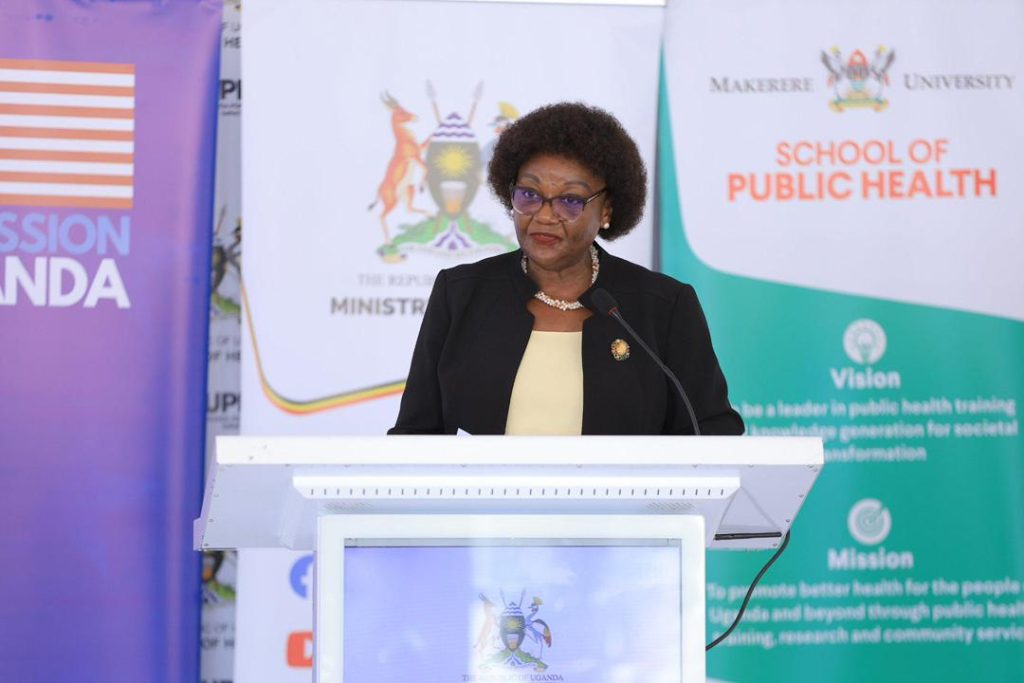
“This builds on our legacy of evidence generation, from TB and COVID-19 studies in prisons to national family planning and NCD surveys,” she said.
Dr.Sam Biraaro, School of Public Health -Project Director , UPHIA detailed that 36 field teams, each with interviewers, laboratory technicians, and counselors, will travel across Uganda starting mid-June.
“Participants will undergo HIV testing, blood pressure measurement, and other health checks. Those newly diagnosed will be linked to care on the spot,” he explained.
In addition to real-time data collection using tablets, samples will be transported to Central Public Health Laboratories and the Uganda Virus Research Institute for further analysis, including testing for HIV drug resistance and antiretroviral metabolites.
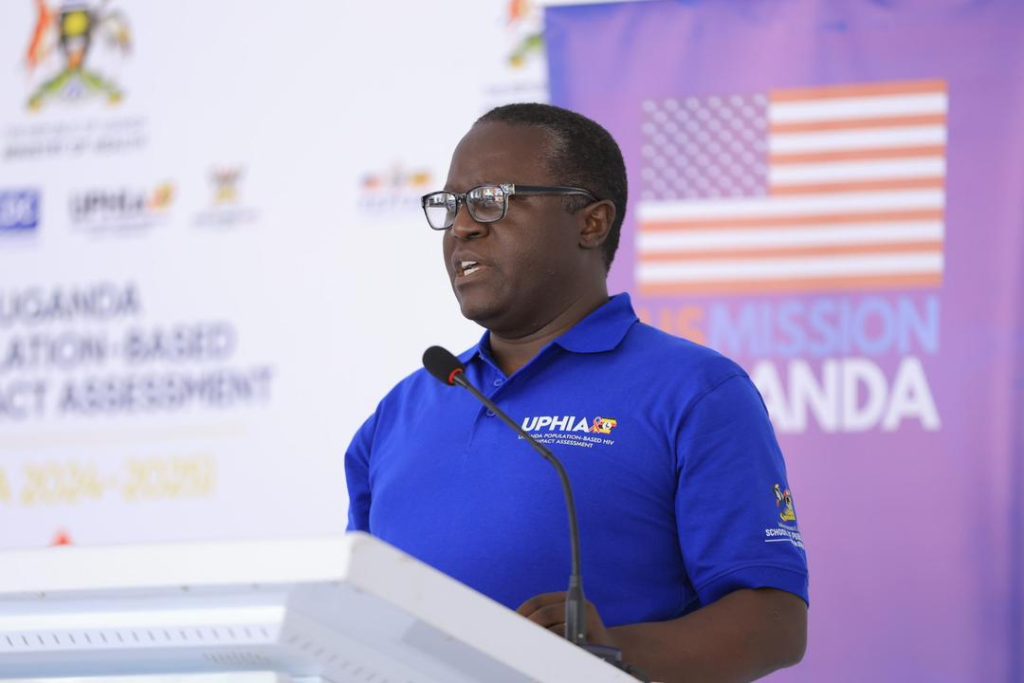
“Ultimately,” Dr. Biraaro added, “this data will be made publicly available for scientific use. It’s a rich dataset that will shape HIV programming and strategic planning toward 2030.”
The UPHIA 2024–2025 survey has been reviewed and approved by the Uganda National Council for Science and Technology, the CDC, and other ethics committees. Training of the 360 field staff is ongoing and will conclude in June ahead of the two-month data collection period.
With Uganda now entering the “final lap” of its HIV response journey, stakeholders agree that this survey will play a defining role. As Dr. Aceng put it, “The findings will serve as a baseline for tracking our progress and will guide the next phase of strategic planning. This is our moment to ensure the final push toward 2030 is backed by robust, reliable data.”