



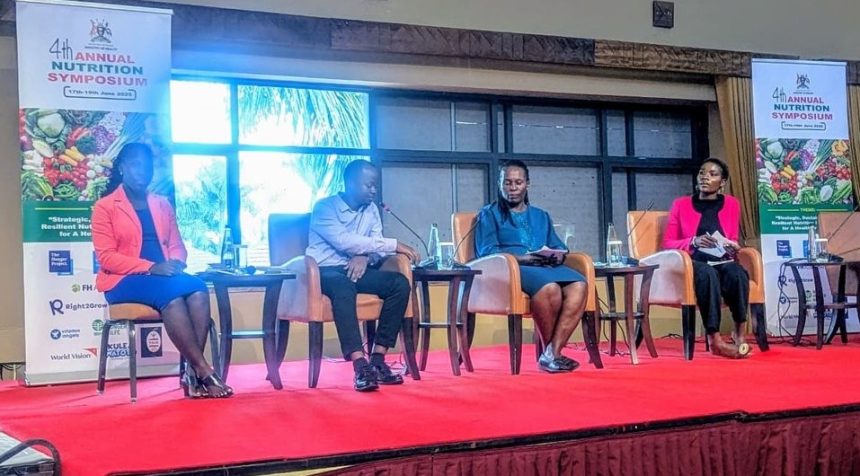
A panel of nutrition and health experts has issued an urgent call for strategic investment in adolescent and pediatric nutrition, particularly in vulnerable settings such as refugee settlements and specialized hospital wards.
The appeal was made during the 4th Annual Nutrition Symposium, exploring the role of nutrition in empowering youth and supporting disease recovery.
One of the key issues raised was the alarming rate of wasting among pediatric cancer patients, especially at Uganda Cancer Institute. Experts revealed that malnutrition contributes to nearly 60% of low survival rates in childhood cancer cases across Africa, with Uganda recording wasting prevalence between 20% to 60% among children aged 2 to 17.
A recent study cited by researchers showed a 24% prevalence of wasting, with only 30% of child cancer cases receiving appropriate treatment annually.
Several factors were identified as drivers of this nutritional crisis—ranging from treatment side effects, advanced tumor stages that hinder feeding, caregiver fatigue and abandonment, to language barriers and understaffing.

“We have one nutritionist serving over 150 children daily,” Daisy Wannyana, a health and Nutrition specialist revealed.
To counter these challenges, the experts recommended developing nutraceuticals, offering psychological support to caregivers, expanding nutrition staffing, and crafting national guidelines for nutrition in cancer care. “Wasting is preventable,” emphasized one speaker, “but it requires prioritization at all levels.”
Meanwhile, at Mulago National Referral Hospital, a nutrition support program for TB patients revealed mixed results.
A retrospective study showed that while patients received comprehensive wet rations—meals consisting of proteins, carbohydrates, fruits, and vegetables—there was no significant increase in BMI over six months of follow-up. The majority of TB patients were severely undernourished, male, HIV-positive, and battling multi-drug resistant TB.
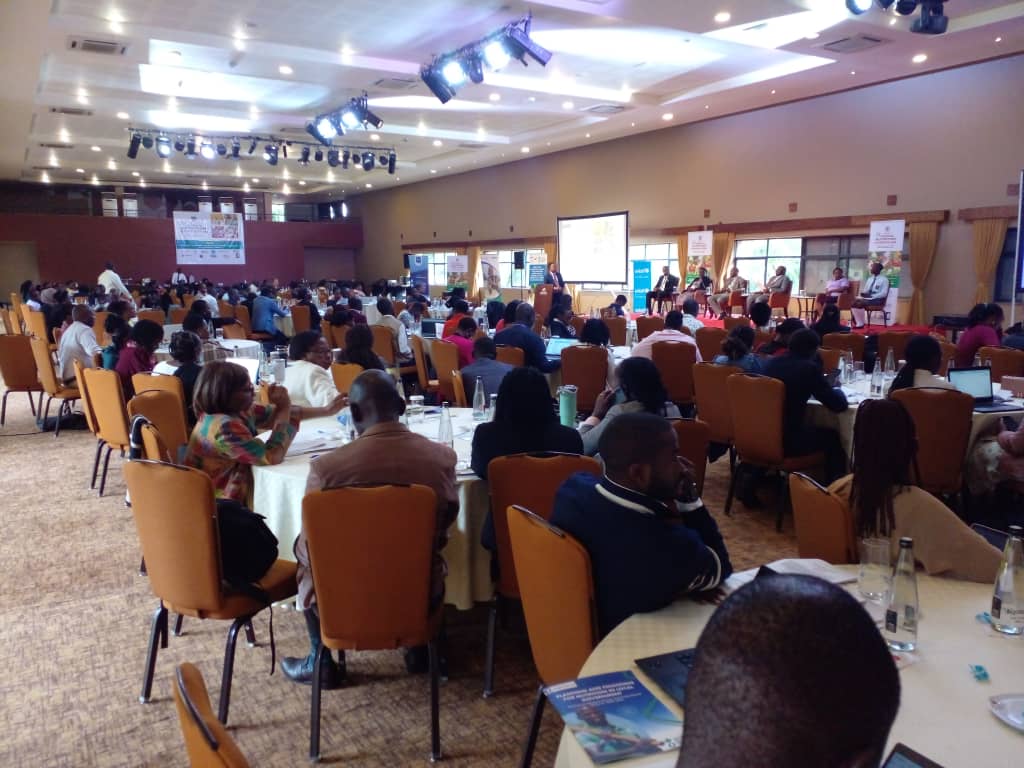
“Even with support, the weight gain was minimal. This highlights the need for refined and perhaps personalized nutritional approaches,” according to Azande Rhoda, a researcher
Ritah Nakubulwa, Senior Nutrition Officer with Action Against Hunger in Yumbe, detailed a project targeting adolescent nutrition in Bidibidi and Lobule refugee settlements.
With knowledge levels as low as 51%, the initiative has established nutrition clubs, demonstration gardens, and outreach for school dropouts, including young mothers.
“Adolescents are future mothers. Addressing their nutritional needs breaks the cycle of malnutrition,” she said.
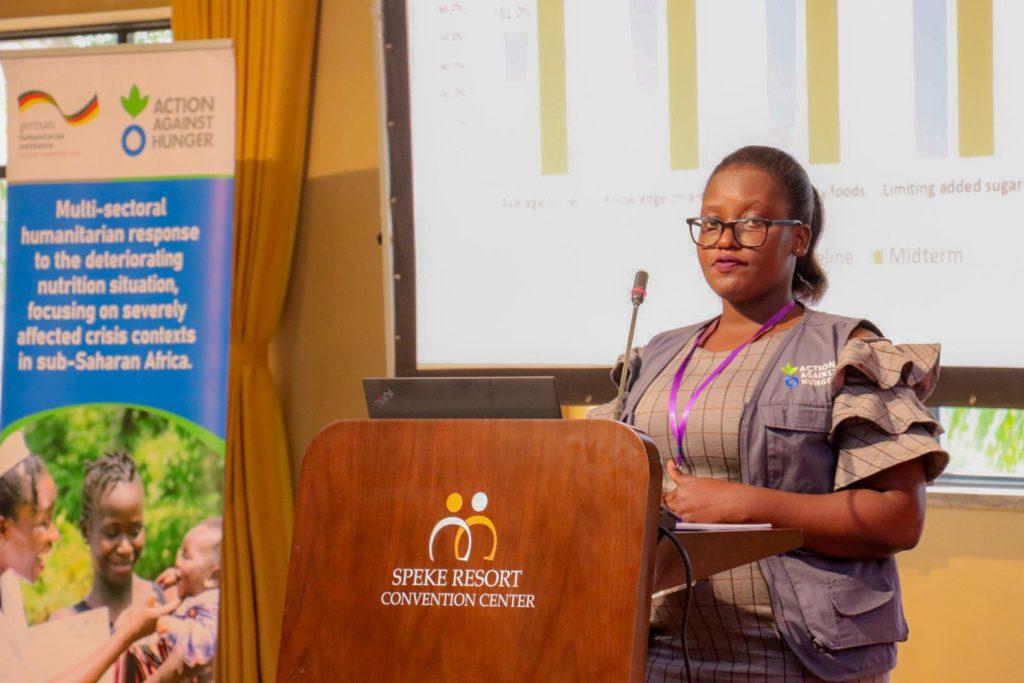
Nakubulwa called for stronger school feeding programs, especially in refugee contexts where food insecurity is rampant, and urged the Ministry of Education to integrate nutrition into the school curriculum beyond basic biology lessons.
Dr. Nicolette Nabukeera, a pediatrician at Mwanamugimu Nutrition Unit, stressed the importance of innovation in care, including using recycled materials to make toys and teaching caregivers skills like baking and craft-making during hospital stays.
“These skills empower them economically, helping prevent relapses into malnutrition after discharge,” she said.
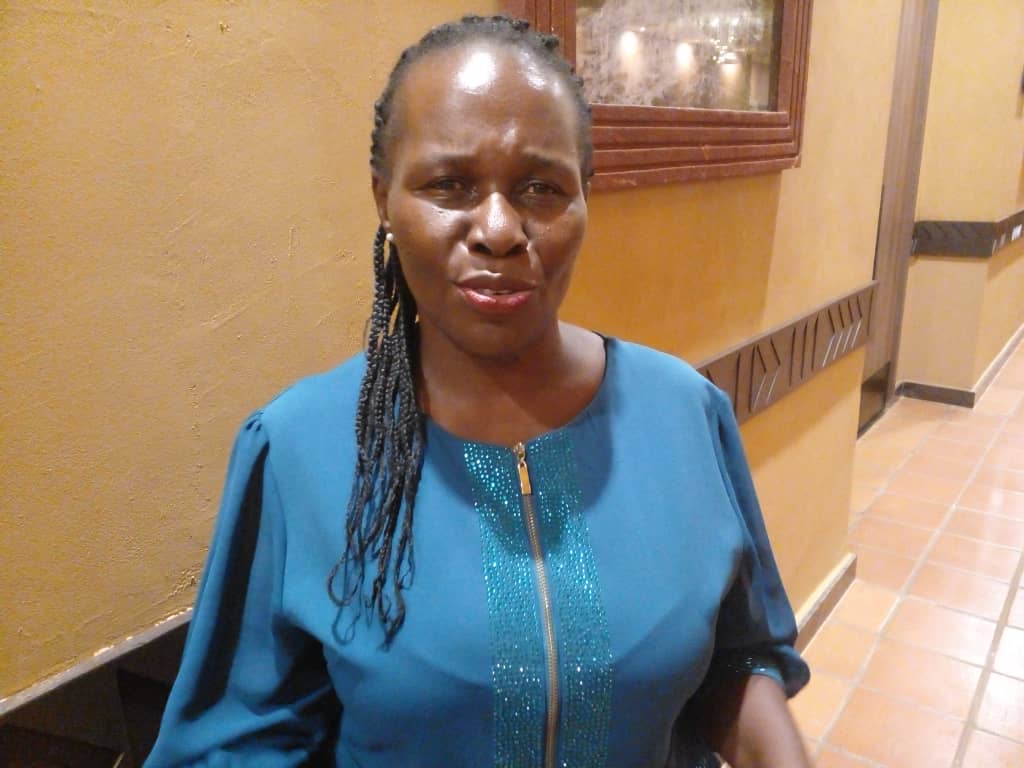
Dr. Nabukeera also emphasized that malnutrition affects children from all social backgrounds, including those with underlying medical conditions. “These children require specialized feeding and care that general hospitals often cannot provide.”
The panel concluded with a joint call to collaborate across education, health, agriculture, and social sectors to ensure holistic, sustainable interventions for nutrition—because nutrition, they agreed, remains a cornerstone for health, development, and survival.