



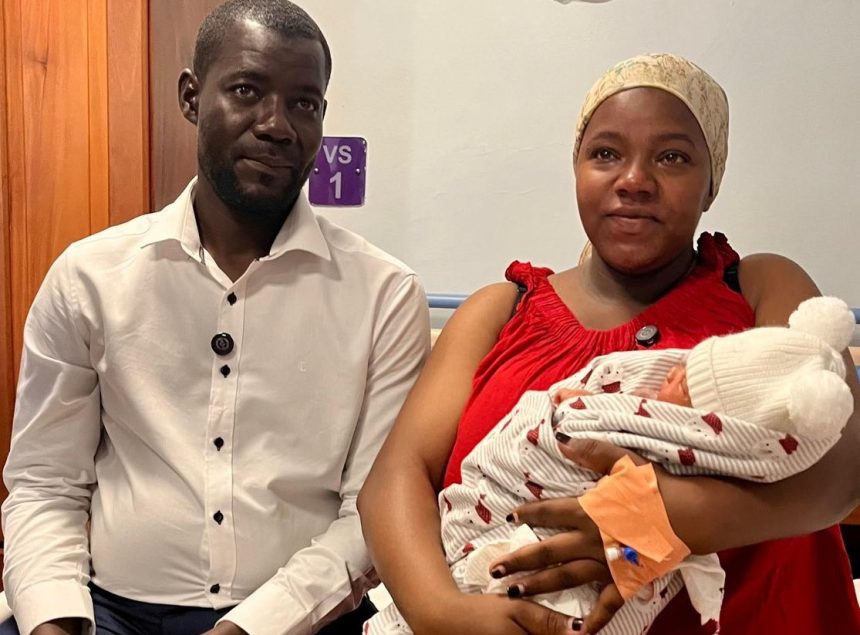
In a landmark moment for Uganda’s public healthcare sector, the Mulago Specialized Women and Neonatal Hospital has successfully delivered its second baby conceived through In Vitro Fertilization (IVF). The healthy baby girl, weighing 3.6 kilograms, is the result of a cutting-edge reproductive service introduced at the hospital just one year ago.
The hospital began offering IVF services in August 2024, becoming the first public facility in Uganda to provide such advanced assisted reproductive technology. Since then, 28 IVF cycles have been conducted, with 11 confirmed pregnancies and now two successful deliveries.
“This is a milestone worth celebrating,” said Dr. Sam Ononge, Acting Executive Director of the hospital. “It reinforces our commitment to expanding access to quality, specialized reproductive and neonatal care for all Ugandans, including those struggling with infertility.”
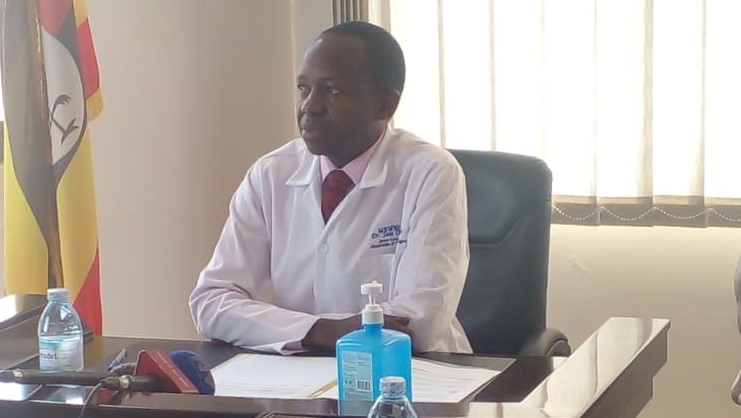
The hospital, a 450-bed national referral facility, was established to reduce maternal and neonatal mortality, lower the number of referrals abroad, and strengthen Uganda’s health system. Uganda continues to face significant challenges in maternal and child health, with about 189 maternal deaths per 100,000 live births and 22 neonatal deaths per 1,000 live births, according to Ministry of Health data.
Dr. David Nsibambi, Head of Obstetrics and Gynecology, clarified that while this is the second IVF baby delivered, it is not the hospital’s second procedure. “The IVF process is complex, involving patient selection, ovarian stimulation, embryo transfer, and long-term monitoring. Our success so far—within one year—is a strong indicator of our growing capacity and expertise.”
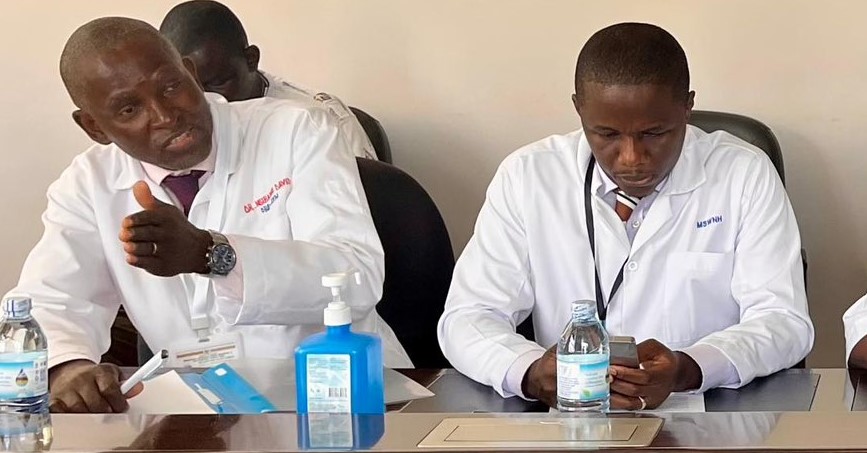
He added that the unit sees over 300 fertility patients monthly, offering not only IVF but also minimally invasive reproductive surgeries, cancer care, and neonatal intensive services. One of the facility’s youngest surviving babies weighed just 400 grams at birth.
Dr. Davis Rujumba, a reproductive endocrinologist, emphasized the need for greater public access. “Previously, IVF was only available in expensive private clinics. Here at Mulago, we offer it at subsidized rates under a public-private partnership. But we acknowledge it’s still costly and continue advocating for more government subsidies.”
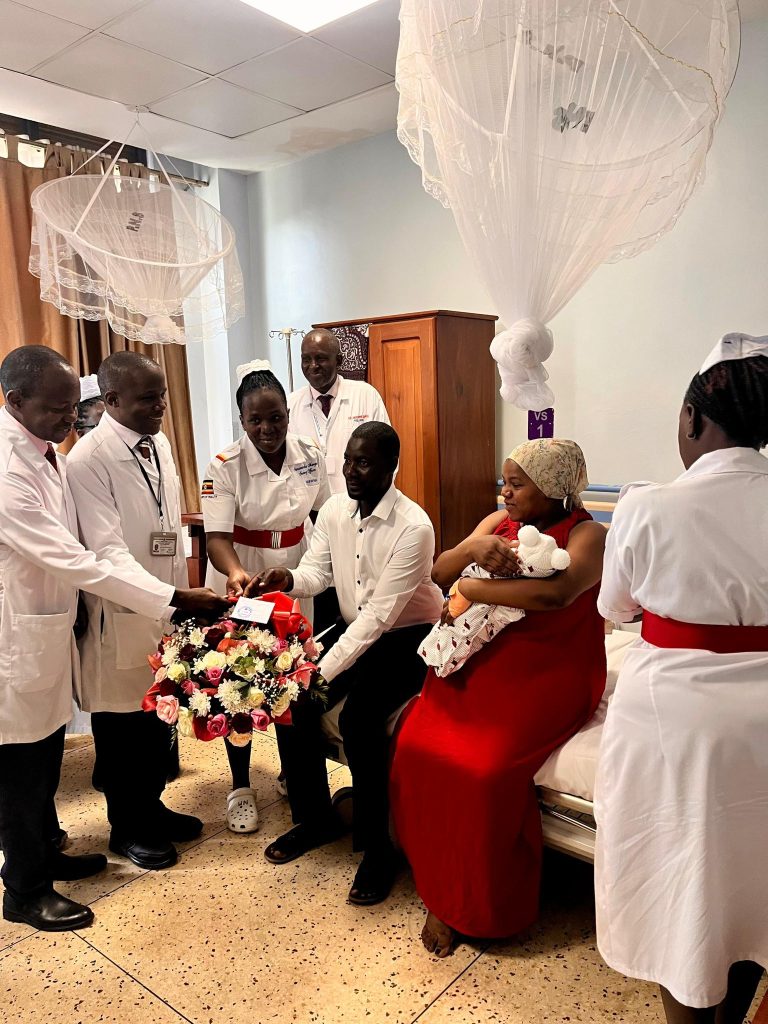
The hospital team is also preparing to expand services to include donor gametes, surrogacy, genetic testing, and fertility preservation for patients undergoing treatments like chemotherapy.
This success comes as Uganda awaits full implementation of the Human Assisted Reproductive Technology Bill, 2023, which has already been gazetted and is expected to provide legal and ethical guidance for such procedures in public institutions.
“This baby is more than just a child—she is a symbol of hope for countless Ugandan couples,” said Dr. Ononge. “We’re not just delivering babies; we are delivering futures.”