



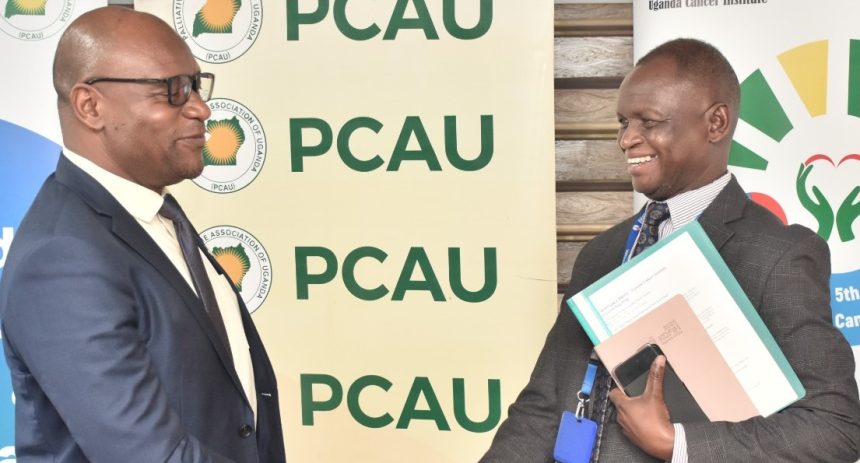
Health experts and civil society leaders have called for greater investment, awareness, and community engagement in cancer treatment and palliative care ahead of the 5th Uganda Conference on Cancer and Palliative Care, scheduled for 10–12 September 2025 at Speke Resort Munyonyo.
The conference, held under the theme “Embracing Uniqueness and Empowering Communities,” is jointly organised by the Palliative Care Association of Uganda (PCAU) and the Uganda Cancer Institute (UCI).
Speaking at the Ministry of Health on Wednesday, PCAU Executive Director Mark Donald Mwesiga said the meeting will bring together health workers, policymakers, researchers, and community representatives to discuss innovations, funding strategies, and approaches for improving patient care.
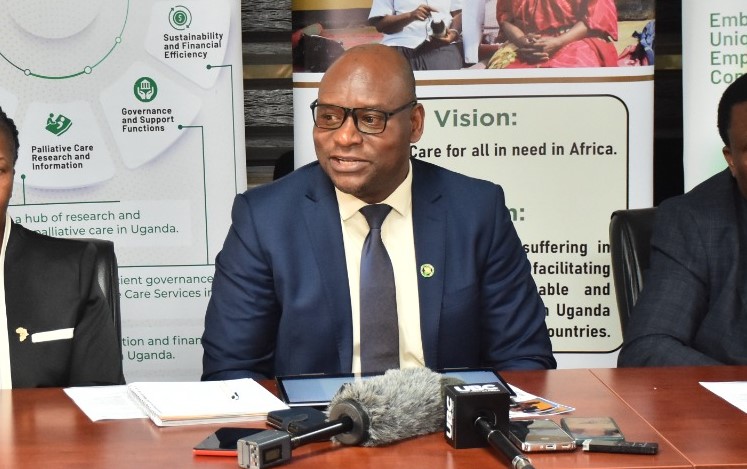
“We are perhaps the only palliative care organisation on the African continent that co-hosts a conference with a national cancer institute,” Mwesiga noted. “This partnership reflects our shared commitment to ensuring that patients, caregivers, and families receive comprehensive support—especially when cure is no longer an option.”
Mwesiga warned that donor funding cuts, particularly to U.S.-supported health programmes, have strained Uganda’s healthcare system, highlighting the need for domestic financing.
The conference will feature a CEO forum to explore local resource mobilisation and strategies to make palliative and cancer care more sustainable. Sessions will also address the role of technology, including artificial intelligence, telemedicine, and biotechnology, in expanding access to treatment and follow-up care for patients in rural areas.
Uganda Cancer Institute Executive Director Dr. Jackson Orem praised the country’s free cancer treatment policy, which remains rare in the region, and highlighted government investments in infrastructure, state-of-the-art equipment, and regional cancer centres.
“Today, 85–90% of essential cancer medicines are available at the UCI, and we have expanded services beyond Kampala,” Orem said. “A functional regional centre in Gulu is already operational, with additional centres in Mbale, Arua, and Mbarara expected within the next three years.”
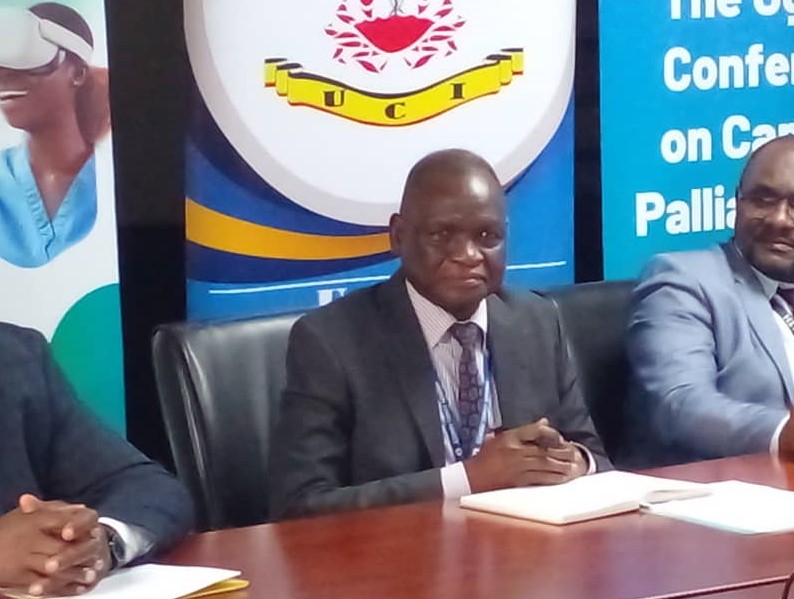
Dr. Orem emphasised that while cancer patients are the largest beneficiaries of palliative care, the approach is equally relevant for other chronic and life-limiting illnesses. He added that despite service availability, socioeconomic barriers—such as transport costs and accommodation—still prevent many patients from accessing care.
Director General of Health Services Dr. Charles Olaro said Uganda records approximately 36,000 new cancer cases and over 24,000 related deaths annually, with only 20% of patients reaching UCI for treatment. “Thirty percent of cancers are preventable, 30% are curable, and another 30% can be controlled through palliation,” he said.
Dr. Olaro revealed that nearly half a million Ugandans require palliative care each year, but only 10–11% access it, largely due to lack of awareness. Although 230 accredited centres operate in over 100 districts, many Ugandans are unaware that palliative services— including free oral liquid morphine—are available.
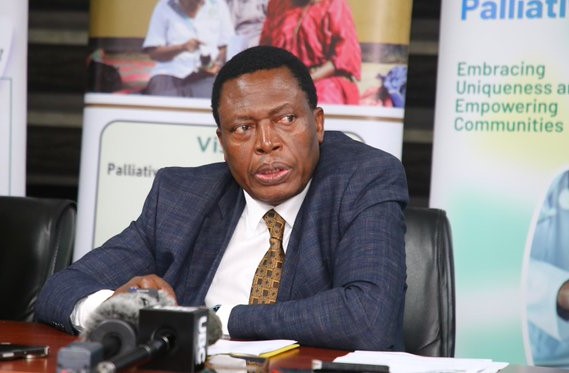
He called on the media to raise public awareness and tell patient stories to encourage early detection and treatment adherence. “A strong community environment improves early detection and holistic support. Empowering communities means giving them the knowledge, resources, and voice to take part in their own care,” Dr. Olaro said.
The conference will also showcase East African research, map resources for cancer and palliative care, and promote cross-border collaboration. Topics will include standardising care in sub-Saharan Africa, integrating services into existing health systems, and addressing the needs of children who require palliative care.
Mwesiga concluded with an appeal to stakeholders: “Palliative care is not only for those in hospitals today—it is care that all of us may need at some point. This conference is an opportunity to advocate for a future where no patient is left behind.”