



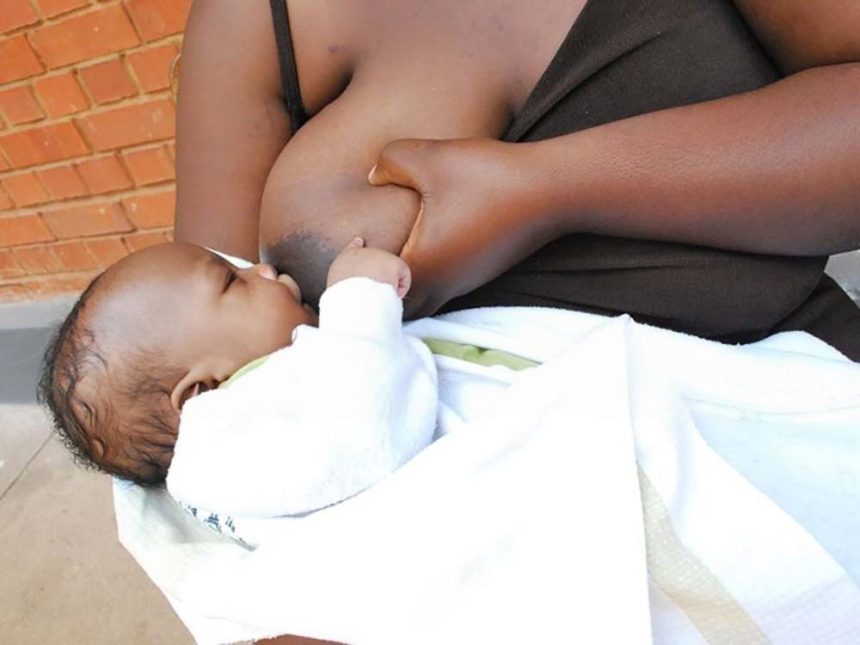
The Ministry of Health, together with parliamentary leaders, nutrition experts, and civil society actors, has called for sustainable support systems to boost breastfeeding in Uganda, describing it as both a public health imperative and a social protection tool.
The appeal was made during the launch of World Breastfeeding Week 2025, held under the theme “Prioritize Breastfeeding: Create Sustainable Support Systems.”
Dr. Charles Olaro, the Director General of Health Services, said exclusive breastfeeding for the first six months is among the most effective interventions for child survival, providing optimal nutrition, immunity, and protection from diseases.
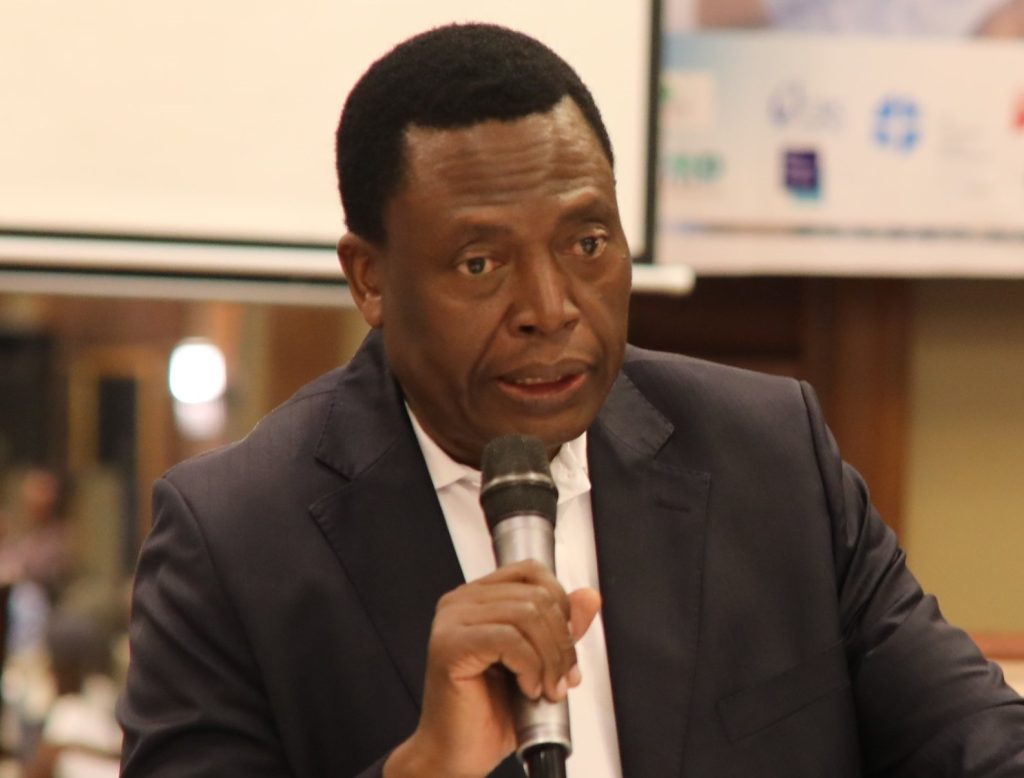
“Breastfeeding is not just a personal choice — it is a public health necessity,” Dr. Olaro said, urging employers to create breastfeeding-friendly workplaces.
Senior Nutritionist, Laura Ahumuza from the Ministry noted that while Uganda has made progress, barriers remain, including workplace pressures, cultural misconceptions, and lack of family support.
Parliamentary call for action
Hon. Kabahenda Rwabuhoro Flavia, Chairperson of Parliament’s Committee on Gender, Labour and Social Development, underscored that breastfeeding is vital for child health, family bonding, and national productivity.
“Breastfeeding is our first line of defence — against infections, against unnecessary health expenditure, and against lost productivity,” she said, urging government to integrate food and nutrition into all development programmes.
Kabahenda warned that weak family bonds and poor nutrition contribute to mental health challenges in children, citing tragic cases, including a seven-year-old girl who died by suicide. She also called for research into the economic cost of poor breastfeeding and for cultural and traditional institutions to actively promote the practice.
Workplace barriers to breastfeeding
Damali Ssali, Country Director for GAIN Uganda, said Uganda’s exclusive breastfeeding rate of 80% is well above the global average of 48%, but many women, especially in informal sectors like market vending, return to work within days of childbirth without safe spaces to breastfeed.
“Whether it’s a corporate office or a market stall, mothers need private, clean, and safe areas to feed their babies,” Ssali said, adding that some corporate mothers also lack awareness of the health benefits of breast milk.
Nutrition and maternal health
Agnes Kirabo, Executive Director of the Food Rights Alliance, noted that many working mothers are malnourished, limiting their ability to nourish their children. She proposed mandatory workplace meal provision, improved work schedules, and better transport systems to reduce stress and fatigue.
The leaders collectively called for a “whole-of-society and whole-of-government” approach, with civil society pledging continued advocacy to ensure every Ugandan child gets the best start in life.
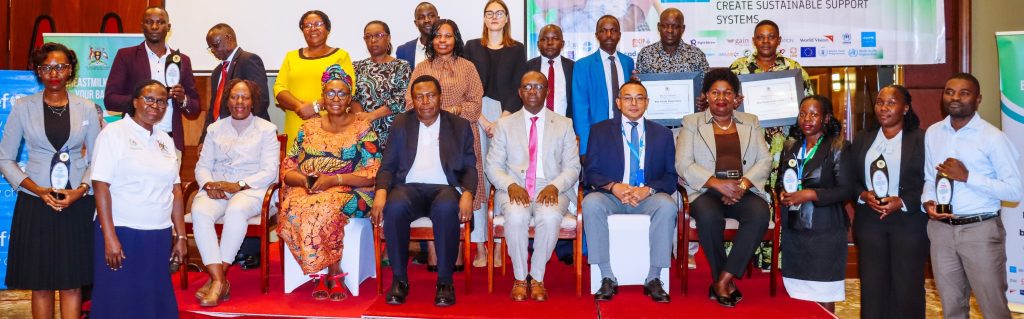
The event was attended by representatives from UNICEF, the World Health Organization (WHO), and World Vision, who reaffirmed their commitment to supporting Uganda’s efforts in improving breastfeeding rates through policy advocacy, community engagement, and maternal health programmes.