



A new study has revealed that men in central Uganda are not a homogenous group when it comes to tuberculosis (TB) knowledge, risks, and healthcare needs, underscoring the urgent call for tailored interventions in the country’s fight against the disease.
Uganda’s TB burden remains high, with incidence among men estimated to be four times higher than among women. According to health experts, social norms around masculinity discourage many men from seeking timely medical attention, resulting in delayed diagnosis and treatment. This not only worsens health outcomes for men but also fuels further transmission to women and children.
Despite this reality, most policies and interventions have traditionally treated men as one broad category, overlooking their unique social contexts. To address this gap, researchers conducted community dialogues (barazas) with 163 men in Nakasongola District, focusing on key and vulnerable populations including prison officers, inmates, Boda-Boda cyclists, fishermen, cattle keepers, and secondary school students.
The study was presented by Kato Sulaiman,as the male champion and Research Uptake Manager for the LIGHT project at Makerere University Lung Institute and officer at the Ministry of Health. The research was supported by the Light Consortium, which funds studies aimed at finding inclusive, evidence-based solutions to health challenges in Africa.
Presenting the findings, Kato Sulaiman noted that Uganda’s health system is generally not male-friendly. Men reported that they only receive priority attention at health facilities if they are accompanied by a spouse or child. They also highlighted the absence of male mentors to guide boys and young men in navigating masculinity and health-seeking behaviors.
He emphasized that healthcare staff, especially in school sick bays, often lack up-to-date information about TB. Continuous medical education (CME) opportunities for health workers and stronger collaboration between the health sector and other community institutions were recommended as immediate priorities.
Among secondary school students, knowledge of TB symptoms was commendable, but understanding of transmission remained low. Students noted the absence of TB education in their curriculum and limited awareness among school health staff. Despite their young age, masculinity norms were already shaping their behavior, with many associating health-seeking with weakness. They recommended including TB in the curriculum, promoting awareness through school compounds, and training students to act as peer educators.
For Boda-Boda cyclists, knowledge levels were alarmingly low, with many unable to distinguish transmission modes. Their profession exposes them to a wide network of people, and many admitted to ferrying patients to traditional healers instead of health facilities. Researchers suggested turning cyclists into “moving billboards” for TB awareness and maintaining regular engagement with them to boost knowledge.
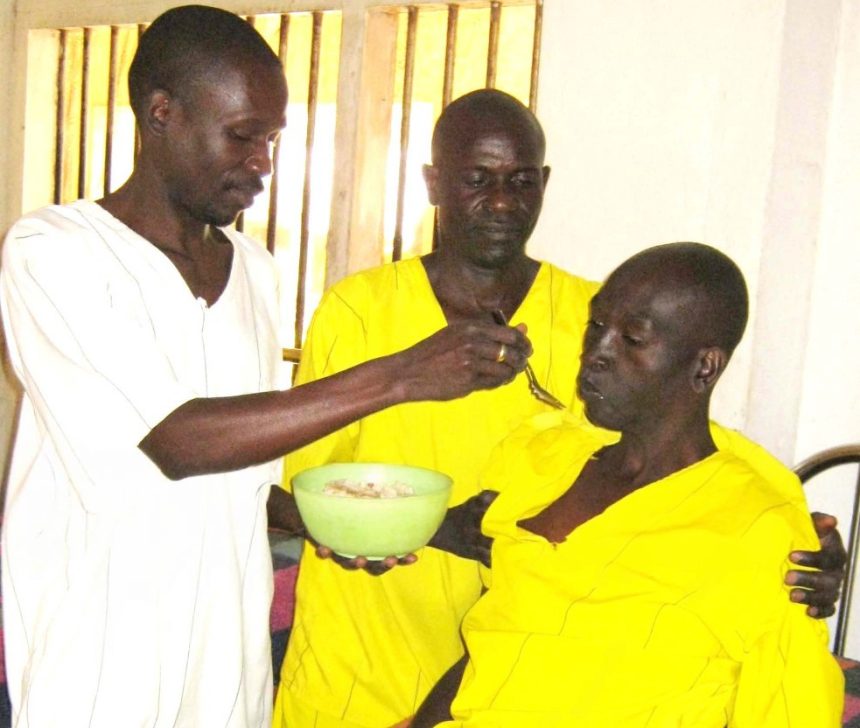
At Nakasongola Main Prison, prison officers demonstrated some awareness, especially since new inmates are routinely screened for diseases. However, TB-specific interventions were lacking, with no dedicated isolation spaces or masks for TB patients. In contrast, inmates showed very low knowledge levels, with many relying solely on the occasional visits from National TB and Leprosy Program (NTLP) testing trucks. Encouragingly, inmates expressed willingness to become TB awareness ambassadors in their communities after release.
Among fishermen, TB knowledge was relatively strong, but researchers observed that they responded more enthusiastically to animal health programs than human health ones. The study recommended integrating TB sensitization into animal health outreach and aligning health programs with fishermen’s seasonal migration patterns.
Cattle keepers and students stood out as the most knowledgeable groups about TB, but researchers cautioned that knowledge alone was not enough without consistent community engagement and targeted interventions.
The findings confirm that interventions for men must go beyond one-size-fits-all approaches. Each social group of men faces unique contextual barriers and motivators that influence their health behaviors.
“Engagements with these different social groups demonstrate that men are not the same,” Kato Sulaiman said. “There is an urgent need for multi-sectoral and multi-disciplinary collaborations to design interventions that reflect men’s diverse realities.”
As Uganda intensifies its TB response, experts stress that considering the social contexts of men—whether students, cyclists, prisoners, or fishermen—will be crucial in closing the gender gap in TB incidence and preventing further spread of the disease.