



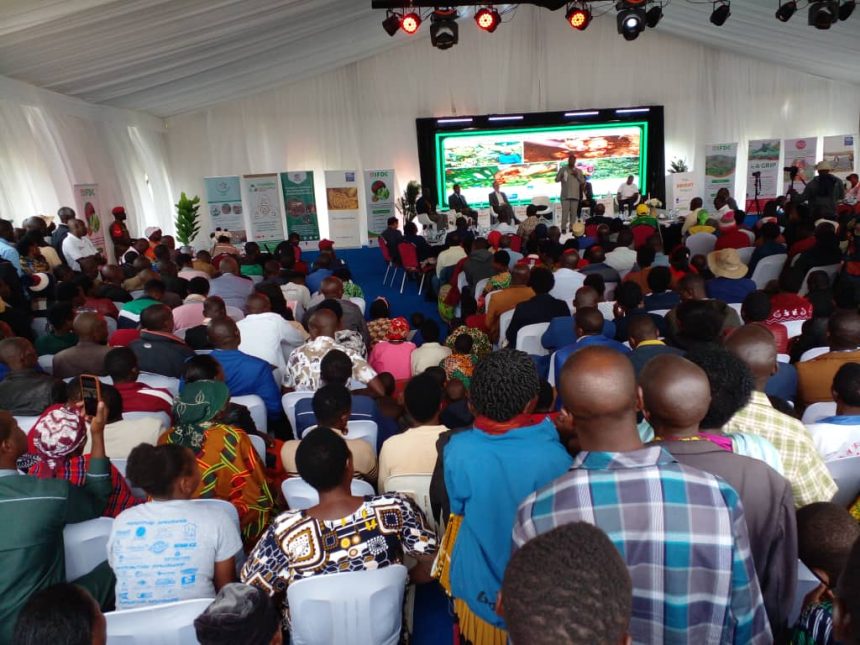
The State Minister for Agriculture, Hon. Fred Bwino Kyakulaga, has warned landlords in Uganda’s highland regions against frustrating community-led interventions aimed at boosting food security and tackling land degradation.
Speaking during the International Fertilizer Development Center (IFDC) BRIGHT Project outreach and sensitization event at Ndengo playground, Nshansha Parish in Rubanda District, the Minister expressed concern over reports that some landlords in Kigezi, Rwenzori and Elgon regions were blocking tenants from constructing terraces on hired plots of land.
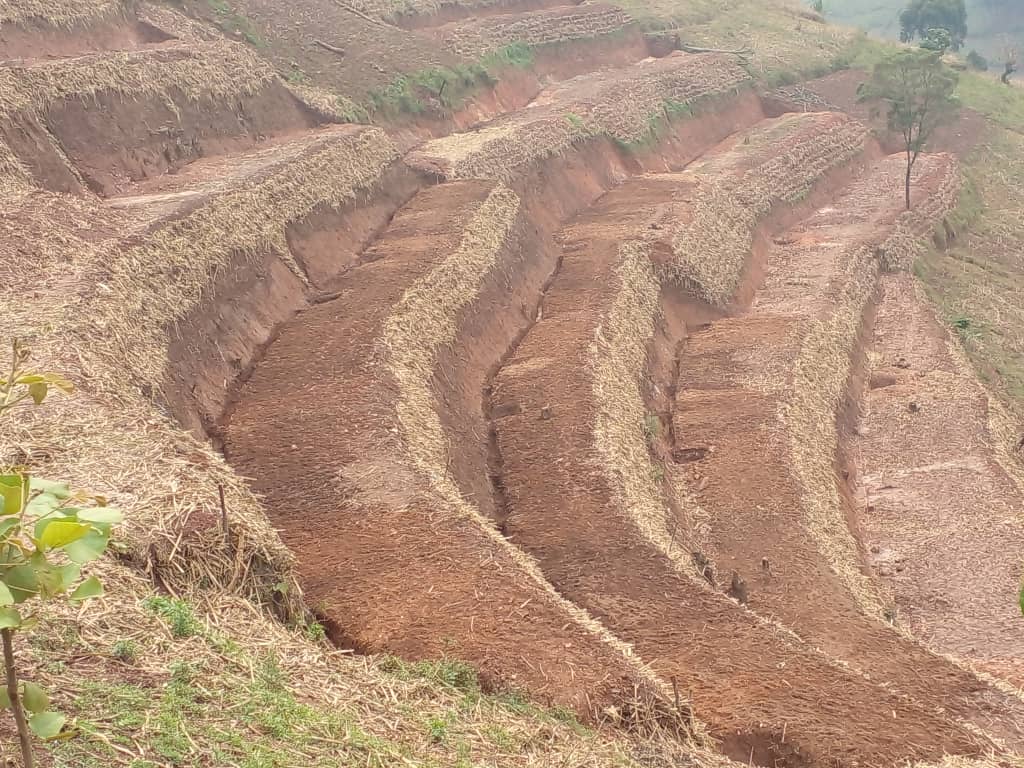
The terraces, promoted under the BRIGHT project, are designed to curb soil erosion, preserve fertility and increase productivity in the mountainous terrain.
Kyakulaga noted that such resistance is detrimental not only to tenant farmers but to national and regional food security. “We are dealing with a matter that touches households, communities, the nation and even Africa as a whole,” he said.
“We shall first sensitize landlords on the importance of these interventions. But if they continue to resist, government will not hesitate to find appropriate measures. Food security is not something to play with.”
The Minister pledged government’s support to IFDC and its partners in addressing challenges that require intervention beyond the scope of development projects, such as land tenure conflicts. He also called for stronger collaboration between government extension workers and IFDC field staff to maximize impact.
The BRIGHT project, which stands for Building Resilience and Inclusive Growth of Highland Farming Systems, is funded by the Kingdom of the Netherlands and implemented by IFDC in Uganda’s highlands. The project supports soil conservation, rural infrastructure, access to finance, and market linkages for smallholder farmers.
Hans Raadschilders, the First Secretary for Food and Nutrition Security at the Embassy of the Kingdom of the Netherlands, said the highland regions present both opportunities and challenges for agricultural development.
“The highlands have enormous potential, but farmers face problems of land degradation, fragmented plots, climate change, and lack of access to finance,” he said. “That is what inspired our continued partnership. We are very happy to support Uganda in building resilient farming systems, in full alignment with the government’s goals.”
Raadschilders revealed that Dutch-funded initiatives in Uganda’s highlands, including BRIGHT, target about 600,000 households, reaching an estimated four million people, with an annual budget of around 30 million euros.
Patrick Foro, IFDC Country Director for Uganda, highlighted the need for mindset change among farming communities as one of the project’s biggest hurdles. He said while many farmers appreciate the benefits of soil conservation and sustainable practices, convincing them to adopt measures like terracing often requires patience and extensive community engagement.
“When you ask a farmer to redesign his land for a terrace, he sees the immediate loss of crops, not the long-term gains,” Foro explained. “That is why mindset change is critical, and why we engage families and communities directly to build ownership of these interventions.”
Foro also pointed to land tenure issues and the vast geographical coverage of the project as significant challenges, stressing that collaboration with local governments and traditional leaders was essential in creating consensus and ensuring sustainability.
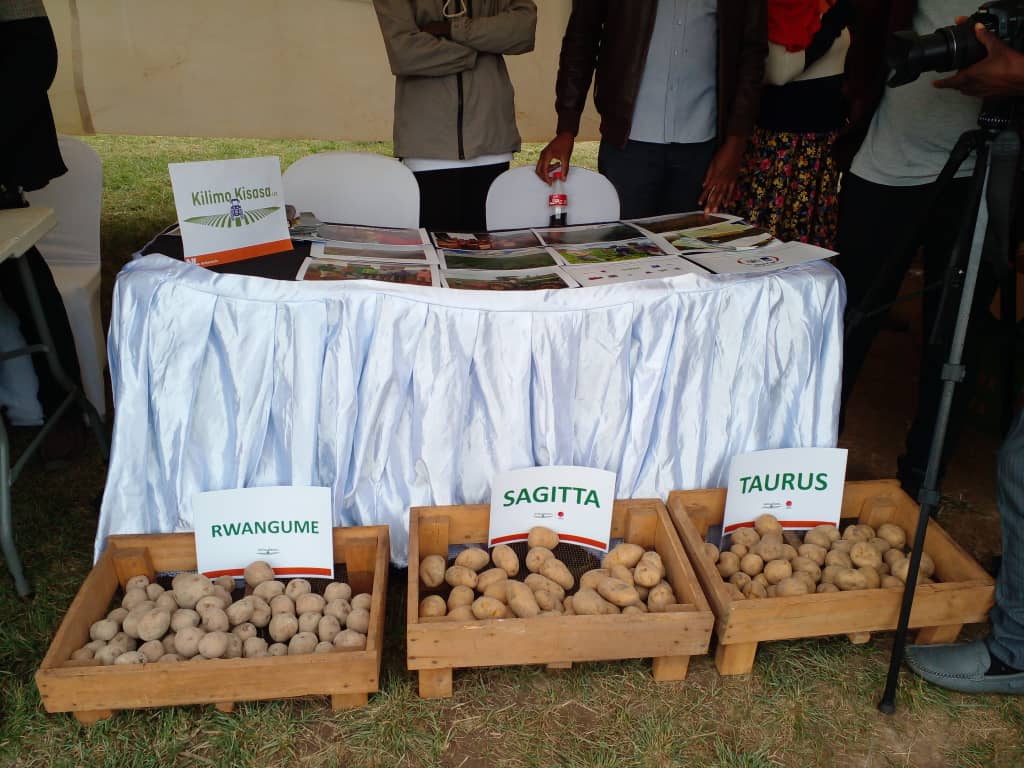
Foro said IFDC’s approach involves working directly with families and communities to build ownership of interventions. By partnering with financial institutions, farmer cooperatives and local governments, the project has introduced innovations such as certified seed access, storage facilities, and market linkages.
Despite difficulties related to land tenure and resource limitations, he expressed optimism that the combination of community engagement, government support and donor funding would yield lasting results.