



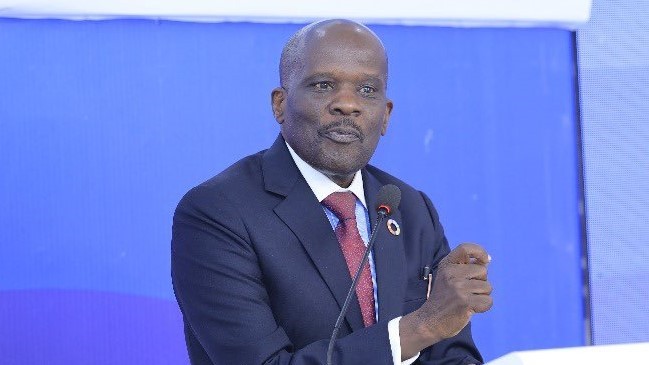
Q: Dr. Ocici, what would you say is one of the most compelling challenges currently facing SMEs in Uganda?
A: One of the biggest constraints for businesses in our country is what we call unplanned expansion and diversification. You start off doing very well—your business performs strongly, bankers love you, and you have access to loans easily. Along the way, however, you feel tempted to tap into every opportunity.
For instance, if someone is selling land nearby, you might want to buy it. Because the bank trusts you, it will give you a loan in 24 hours. That combination—emotional decisions to buy opportunities and easy access to loans—can be dangerous. Without proper records, planning, or clear objectives, this leads to financial diversion from a successful business.
You might invest in ventures with longer return periods, creating cash flow difficulties. Then, you may borrow from other sources—microfinance, SACCOs, or even money lenders. What started as a normal bank loan at 25% interest can escalate to much more expensive borrowing, and the business can deteriorate quickly.
Q: You mentioned that some SMEs, when they become market leaders, start taking customers for granted. Could you elaborate?
A: Absolutely. When you are number one in the market, the key is to make every customer feel they are getting value consistently, today, tomorrow, non-stop.
The challenge comes when your business volumes grow, but your staff, systems, and services do not keep pace. Customers notice—they might have been served in three minutes before, but now it takes 30 minutes.
If you don’t upgrade your systems to match growth, you begin underserving your market. Competitors notice, and that can cause you to lose your position or even exit the market entirely.
Q: Many SMEs struggle with governance and having a board. How important is this?
A: It’s very important. People often think governance structures or an organogram will remove them from “glory,” but in reality, a board lifts you from being lost in details. They ask the right questions about vision, objectives, and planned projects, keeping the business on track.
Boards may ask difficult questions, and owners may feel resistance, but a proper governance structure allows you to distinguish yourself from the business. As your enterprise grows, you can afford to pay for these structures, and failing to do so risks everything. Many businesses take loans of billions but maintain structures meant for operations of tens of millions—that mismatch is dangerous.
Q: What about financial solutions aimed at specific sectors, like manufacturers or agro-loans?
A: Targeting a bank solely at a sector like manufacturers can be misplaced. It takes a long time to build the structure and volume needed. Other banks already provide solutions, and you must match their speed and capacity. Affirmative institutions often provide temporary solutions, serving clients until they move to larger banks.
For agro-loans specifically, SMEs must understand their position in the value chain. If you’re in primary production, the bank will consider risks like climate change. If you’re aggregating crops, you need storage capacity and ways to protect against pests or spoilage.
You also must compete on quality, affordability, and marketing, especially against imported alternatives. Understanding key success factors and risks is crucial—if you don’t, forget the loan. If you do, you can secure and repay it successfully.
Q: In summary, what is the key advice for SMEs looking to grow sustainably?
A: Plan before you expand, maintain proper systems, treat every customer well, embrace governance, and understand the risks and success factors in your sector. Sustainable growth is about discipline, foresight, and execution—not just access to finance.