



Uganda’s health system is grappling with rising pressure as the number of pregnancies and deliveries continues to surge across the country.
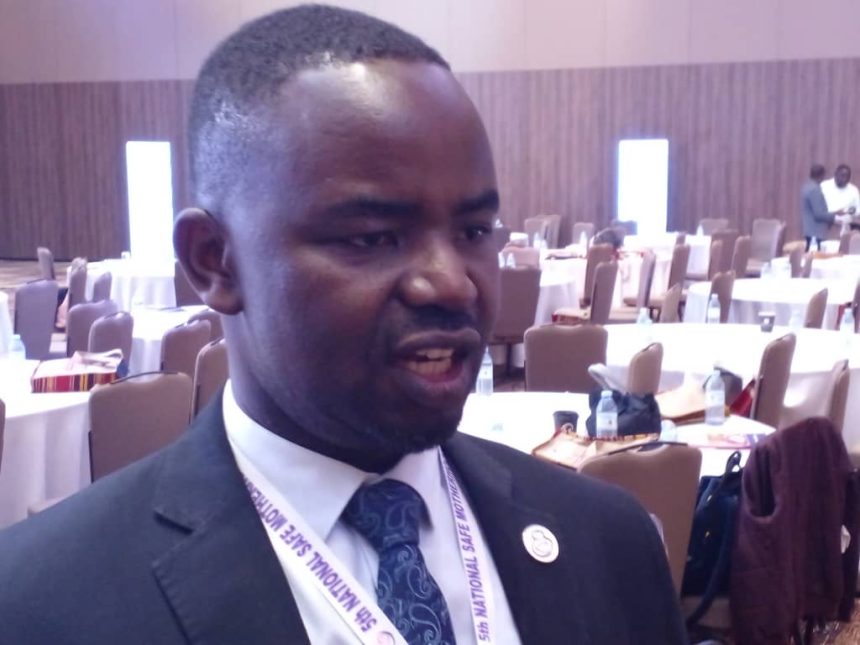
Dr. Richard Mugahi, commissioner for Reproductive , Maternal and Child Health at the Ministry of Health has revealed that the country registered approximately 2.2 million pregnancies this year, all of which are being handled by an already overstretched health workforce, particularly midwives, doctors, and anaesthetic providers.
“This means there is a lot of pressure on the few midwives and other health workers,” noting that many facilities are overwhelmed.
“Some midwives handle two mothers delivering at the same time. In some health centres, there are up to 300 deliveries per month, while those in Kampala handle as many as 900 deliveries monthly.”

Mugahi explained that while the structure approved by the Ministry of Public Service allows for recruitment of more midwives, funding from the Ministry of Finance remains the major bottleneck.
“The consensus from this meeting is that we need more midwives. More midwives mean more money,” she added, appealing for parliamentary support to advocate for safe motherhood and increased recruitment.
Currently, most health centre IIIs operate with just two midwives, a number officials say is unsustainable. “If one midwife falls sick or goes on maternity leave, the system collapses,” he noted.
The ministry is proposing to double the number of midwives—from two to four per facility—to close an estimated gap of 6,000 midwives nationwide.
The plan also includes increasing the number of doctors at health centres to ensure consistent medical coverage. “We are targeting to recruit at least 55% of the new structure by 2030,” he revealed.
On the issue of emergency care, the ministry reported that 86% of Health Centre IVs are conducting caesarean sections, but about a dozen facilities are still not performing surgeries or providing blood transfusions.
“Such centres should be demoted to Health Centre IIIs if they are not offering the required services,” he emphasized, calling on local governments to enforce accountability.
In Kampala, the Ministry of Health and KCCA have embarked on a joint plan to upgrade all Health Centre IVs to general hospitals, citing poor maternal and newborn indicators in the city.
“Most facilities in Kampala are private and unaffordable. Upgrading public centres like Kiswa and Kisenyi, which each handle hundreds of deliveries monthly, will expand access to affordable maternal care,” he said.
The upgrades are expected to increase capacity, provide more space, and ensure more staff and resources for safe motherhood across Uganda.