



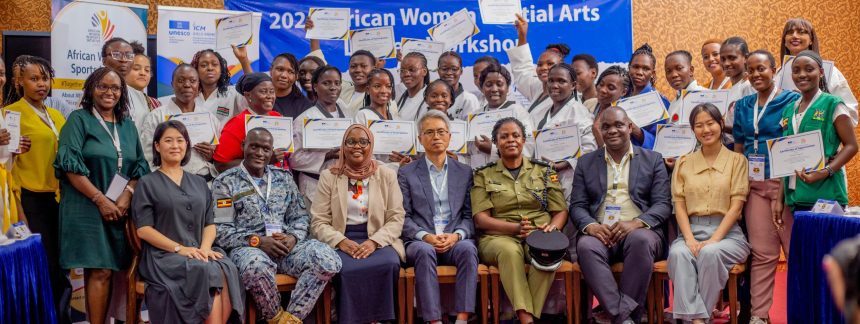
Leaders from the African Women in Sports Initiative (AWISI), the Uganda Police, and Africa’s martial arts community have called for greater investment in women’s leadership, mental health, and safety during a three-day continental workshop held in Kampala, with support from UNESCO-ICM and the Government of South Korea.
The workshop brought together 24 female martial arts leaders from eight African countries, including Uganda, Kenya, Zambia, Mali, South Africa, Nigeria, Zimbabwe and Ghana, to strengthen their leadership, teamwork, and self-defence skills.
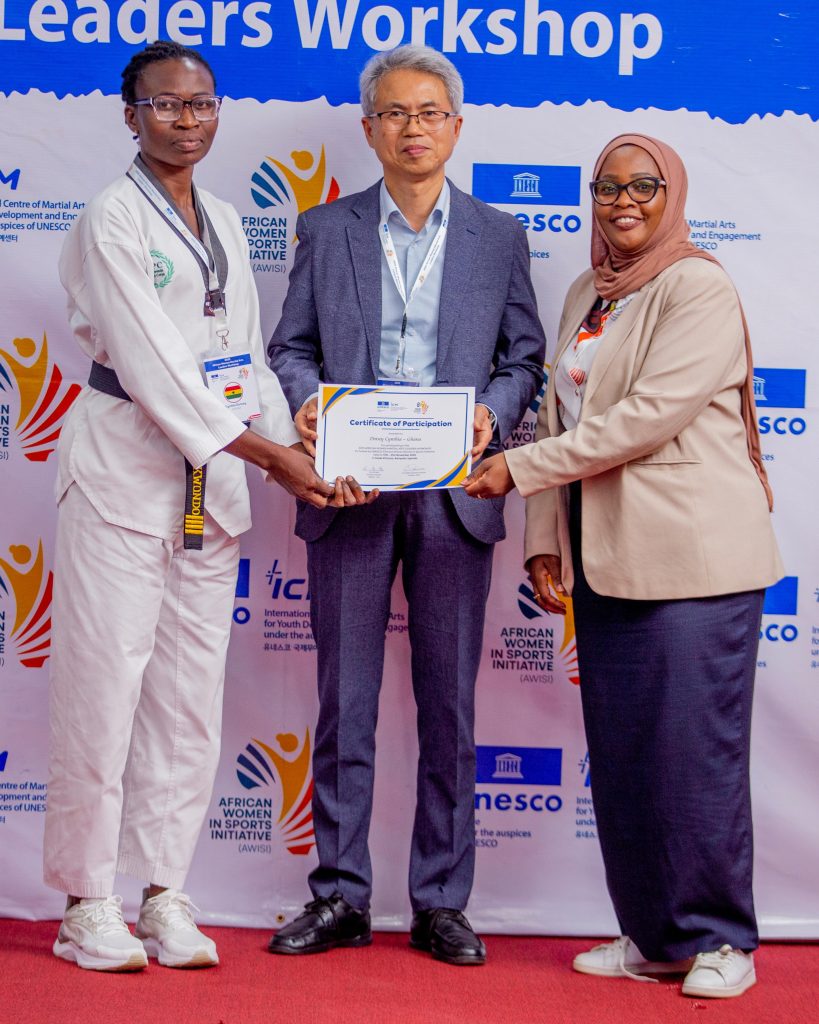
Dr. Mariam Mpaata, the founder and president of AWISI, said the initiative—which now boasts 800 members across 38 African countries—aims to expand opportunities for women in sports while tackling gender-based violence and workplace inequalities.
“Our biggest vision is to uplift women in sports, empower them, and help them fulfil their potential,” Dr. Mpaata said. She noted that women across the continent continue to face obstacles—ranging from financial constraints to workplace sabotage and lack of supportive environments—hindering their rise into leadership roles.
A major concern emerging from the workshop, she said, was the mental health strain on women juggling multiple roles as mothers, leaders, employees and athletes.
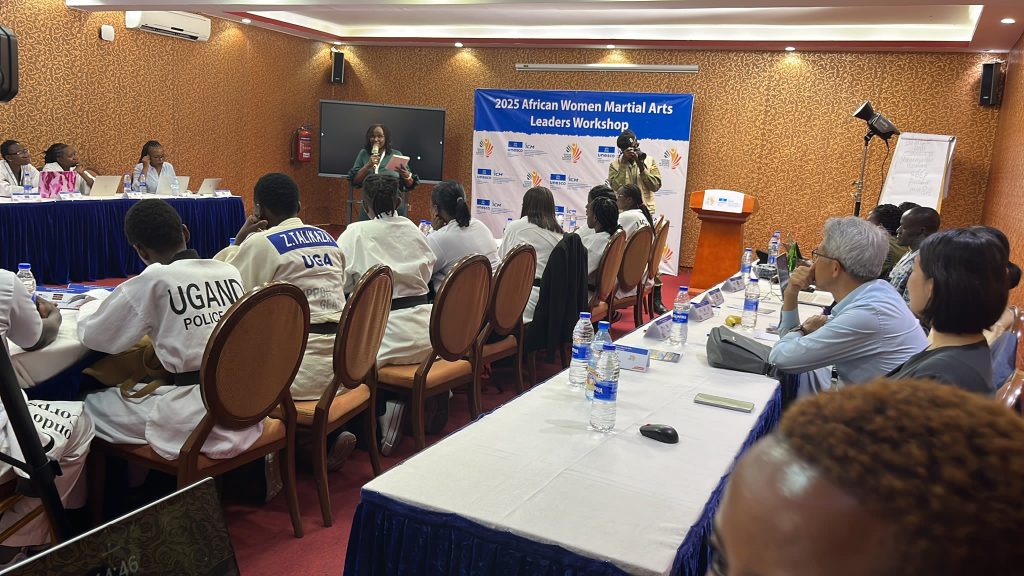
“Women are struggling silently. We need safe spaces and support systems,” she said, announcing a dedicated AWISI mental health program for women in sports. She also called for workshops that include male leaders to help them understand women’s unique physiological and workplace challenges.
Grace Kiraguri, AWISI’s Chair of Resource Mobilisation and one of the lead trainers, emphasised the need to close confidence gaps that limit women’s progression in the male-dominated sports arena.
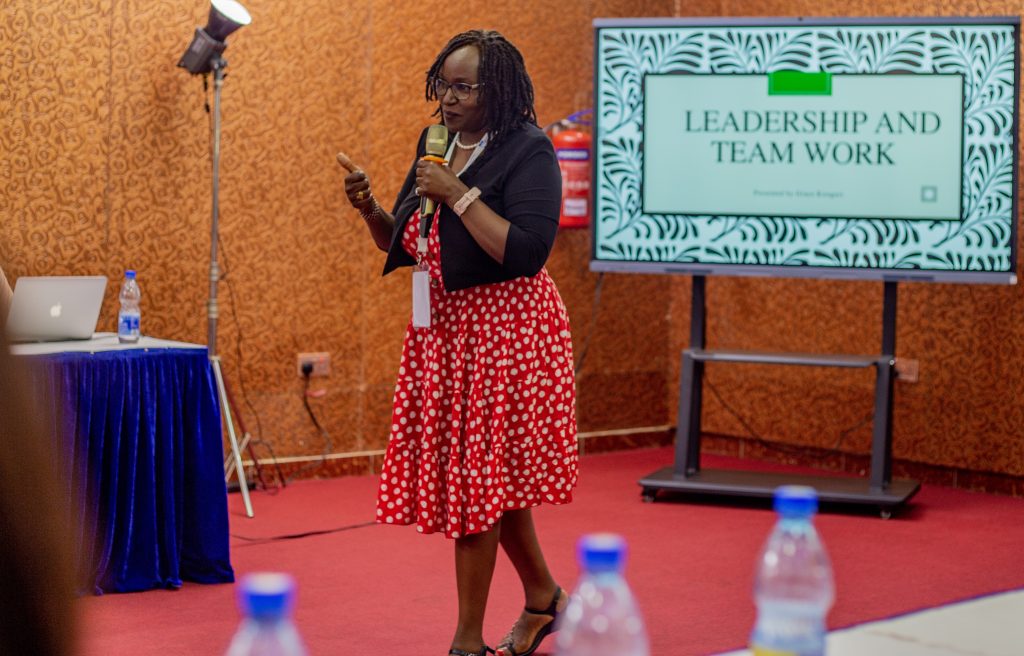
“Many women suffer imposter syndrome, not because they lack skills, but because no one has told them they can lead,” she said. Strengthening women’s leadership, she added, will help African federations meet gender inclusion targets and ensure gender-sensitive decisions in sports governance.
UNESCO – ICM program coordinator, Ms.Leila Park referred to the
workshop as meaningful and impactful.
“I interacted with women who are extremely passionate at what they do and who have great leadership potential and I also recognize the need for continuous capacity building this workshop is directly aligns with ICM’s mission that gives priority to Africa and gender equality through providing leadership & communication skills.”
Uganda Police’s Directorate of the Chief Political Commissariat expressed strong support for the initiative. Dr. Aisha Kayongo, a Superintendent of Police, said martial arts skills are critical not only for personal safety but for professional security work.
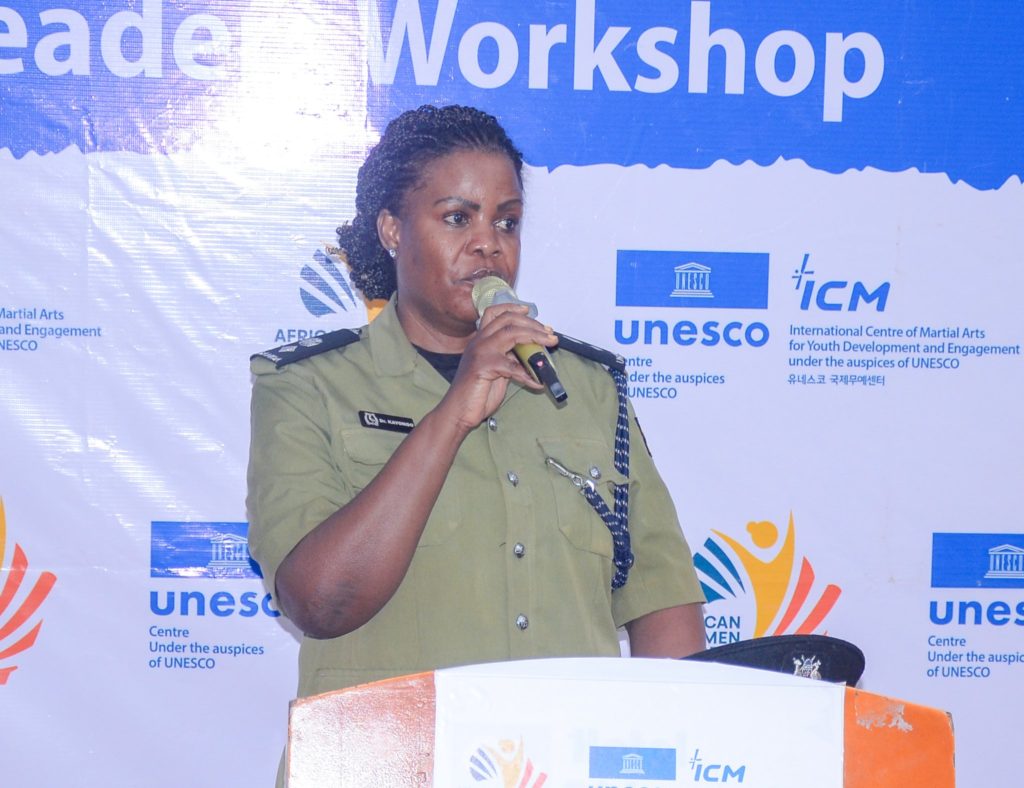
“Women are often the most affected by gender-based violence. Self-defence training gives them the confidence to protect themselves and their communities,” she said. She urged participants to share the skills acquired, adding that Uganda Police regularly trains officers in martial arts, supported by the Government of South Korea.
Inspector of Police Maureen Awori, a taekwondo black belt and coach, said the workshop helped dismantle stereotypes that portray martial arts as unsuitable for women.
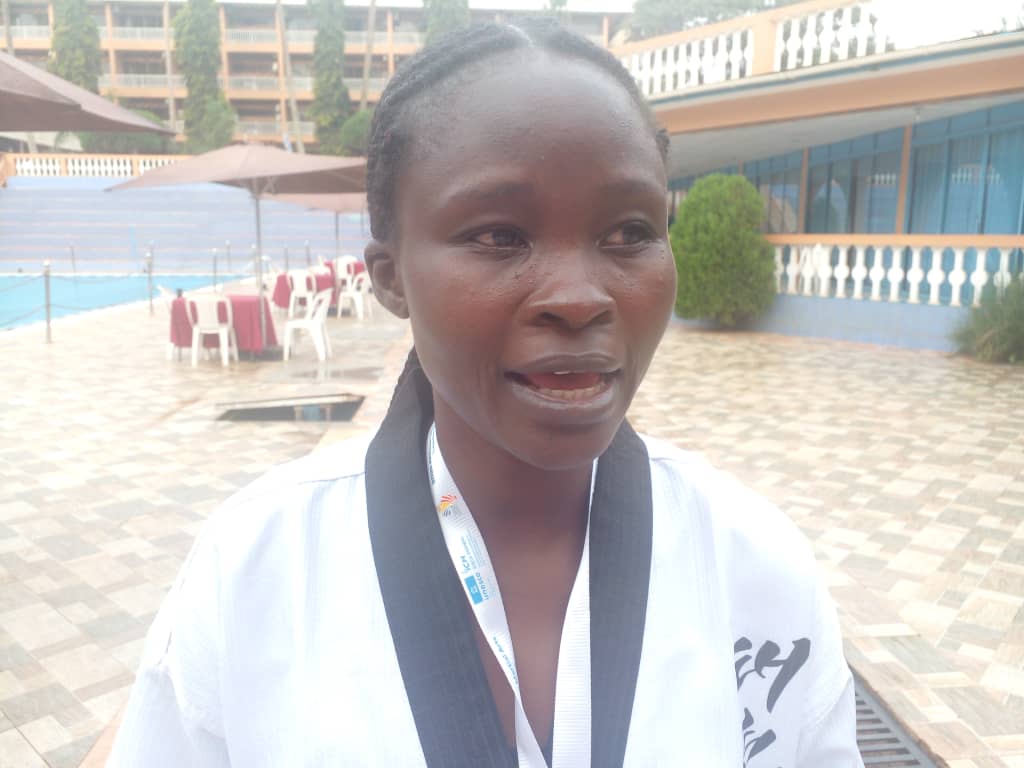
“Society thinks women in martial arts can’t be wives or mothers. I am a mother of four, and many others here are mothers. We have broken the barrier,” she said. Awori believes the skills gained will enable participants to mentor and inspire more women across Africa.
Organisers hailed the workshop as a key step in building a pan-African network of women leaders who will use sport—including martial arts—as a tool for empowerment, protection, and community transformation.