



The Ministry of Health has reaffirmed its commitment to expanding the use of Multiple Micronutrient Supplements (MMS) for pregnant women, citing strong evidence that the supplements reduce anemia and improve birth outcomes.
The updates came during a national technical review meeting attended by nutrition experts, district health officers, researchers and partners.
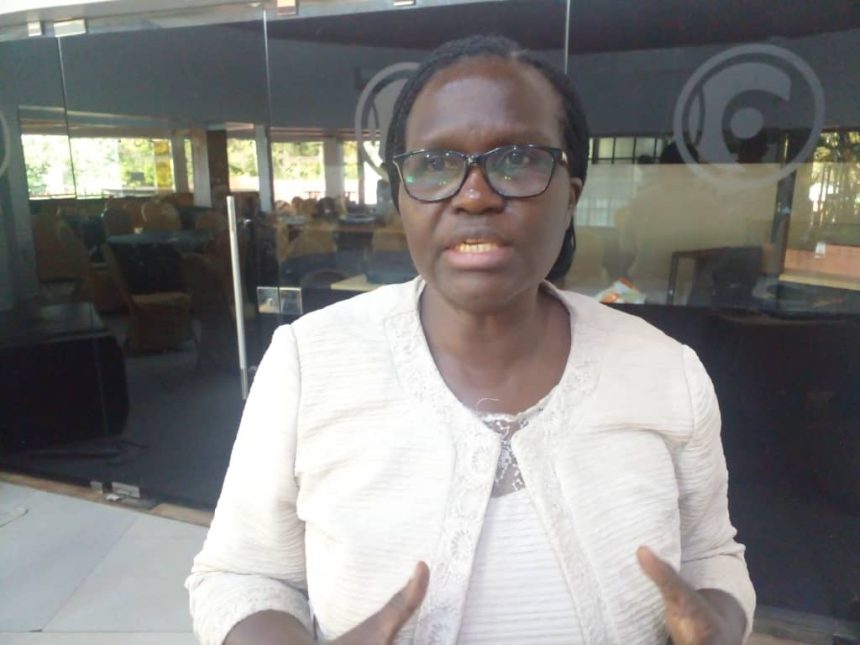
Assistant Commissioner of the Nutrition Division, Samalie Namukose, said MMS offers a critical solution to widespread maternal anemia and low birthweight—two challenges that continue to threaten the health of mothers and newborns in Uganda.
“Micronutrient supplements prevent anemia, which is rampant among pregnant women, and reduce the risk of low-birth-weight babies,” Namukose said. “Babies born under 2.5 kilograms face higher risks of infections and other illnesses. MMS is here to prevent these conditions and ensure we have healthy mothers and healthy babies.”
Uganda began piloting MMS in eight districts, but the Ministry’s long-term goal is nationwide scale-up so that every eligible woman can access the supplements throughout pregnancy and three months postpartum. Namukose noted that supply constraints remain, but the Ministry is planning for each mother to receive at least two bottles per pregnancy whenever possible.
During the meeting, ministry officials also announced the rollout of new digital data-collection tools that will replace many existing paper-based systems. Health workers across the country will soon undergo orientation on updated digital registers hosted on the DHIS2 platform.
Officials emphasized that the system was designed to work offline, making it usable even in remote areas such as Karamoja. The digital registry is intended to improve tracking of supplement distribution, reduce wastage, and enhance data accuracy.
“We are going digital,” a ministry representative said. “It is expensive and time-consuming to clean data. These digital tools will simplify reporting and improve accountability. Health workers can even use their smartphones.”
Discussions also focused on strengthening communication strategies for MMS adoption. Although the national communication plan (2022–2026) did not initially include MMS, officials acknowledged the need to integrate MMS messages during scheduled plan reviews.
Stakeholders also highlighted the importance of tailored community engagement—ranging from radio spots, community audio towers, and village dialogues to collaboration with cultural institutions. The Ministry currently has memoranda of understanding with several major traditional kingdoms, including Buganda, Busoga and Bunyoro, enabling them to support MMS awareness campaigns.
Participants noted that collecting human-interest success stories from early adopters would help drive demand for MMS in more communities.
Monitoring and Evaluation (M&E) specialists emphasized persistent challenges such as difficulty tracking consumption, stock-outs, and expiration of supplements. They recommended smaller packaging options and monthly data reporting to support better quantification and supply planning.
Early tests with Electronic Medicines Management (EMA) systems showed gaps in reporting, underscoring the need for the new digital tools to strengthen accountability.
The Ministry expects the new digital system to go live starting January next year, with further engagements and reviews planned throughout 2025.
“We are working toward ensuring that every pregnant woman receives MMS for her own health and that of her baby,” Namukose said. “With better tools, better data, and stronger community engagement, we can scale this intervention across the country.”