



East African Community (EAC) Partner States have been urged to work closely with financial institutions to design affordable and flexible loan products specifically tailored for young agripreneurs, in a renewed push to unlock youth participation in the region’s agri-food systems.
The call was made in Nairobi during the East African Youth in Agri-Food Systems Expo 2025 (EAYASE 2025), organised by the EAC in partnership with the Alliance for a Green Revolution in Africa (AGRA).
Policymakers, development partners, private sector actors and youth-led agribusinesses from across the bloc converged to address one of the sector’s most persistent constraints: access to finance.
Despite agriculture employing more than 60% of East Africa’s population, youth engagement remains constrained by limited credit, weak market access and skills gaps.
Delegates at the Expo noted that conventional lending models often fail to accommodate the realities of youth-led enterprises, which typically lack collateral and require flexible repayment schedules aligned to agricultural production cycles.
Beyond financing, Partner States were urged to strengthen policy and regulatory frameworks that support the adoption of climate-smart agriculture and advanced technologies, including drones, digital platforms and precision farming tools.
Targeted incentives—such as tax exemptions, subsidised credit and investment in enabling infrastructure—were highlighted as critical to improving youth competitiveness across agricultural value chains.
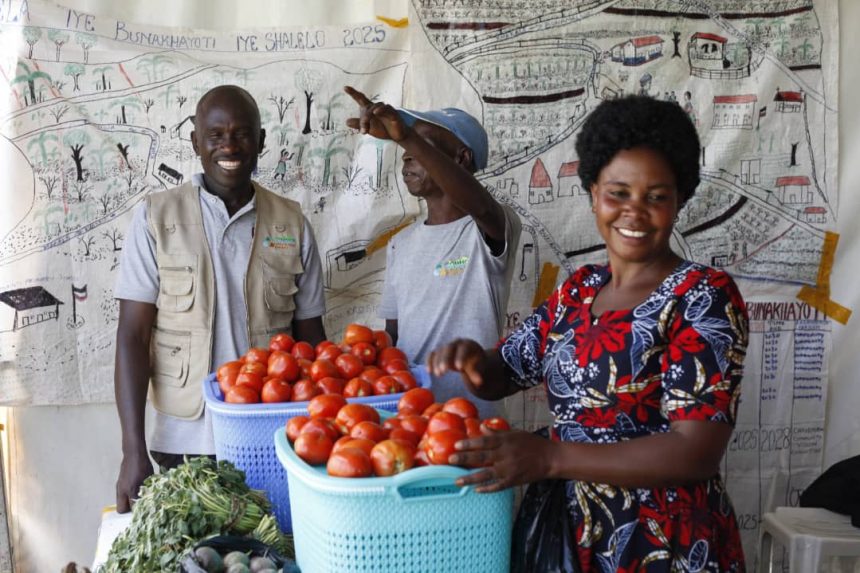
The Expo brought together youth agribusiness exhibitors, including young women and vulnerable groups, offering a platform for innovation showcases, capacity building, policy dialogue and investment matchmaking.
Organisers positioned EAYASE as a bridge between youth-led enterprises and investors seeking scalable, technology-driven opportunities in East Africa’s food systems.
During the official opening, EAC Deputy Secretary General in charge of Infrastructure, Productive, Social and Political Sectors, Andrea Ariik, reaffirmed agriculture’s central role in regional stability and growth.
He noted that while the sector sustains millions and underpins food security, limited access to finance, markets and technical skills continues to hold back young entrepreneurs.
“Youth empowerment is at the centre of the EAC Youth Strategy and is fully aligned with the African Union’s Agenda 2063,” Ariik said, underscoring the strategic importance of youth-led agribusiness to long-term economic transformation.
Kenya’s Ministry of Agriculture and Livestock Development echoed this view, with Assistant Director Peter Orangi noting that young people are increasingly reshaping agriculture through technology and innovation, transitioning from subsistence roles to growth-oriented entrepreneurship.
Development partners also emphasised the role of data and digital solutions. Joel Imitira, Senior Agricultural Economist at the FAO Kenya Country Office, described youth as strategic partners in transforming Africa’s food systems, calling for stronger digital tools to address market information asymmetries.
AGRA’s Director of Policy and State Capability, Boaz Keizire, announced the rollout of a Youth Performance Index to track progress on youth empowerment, positioning it as a data-driven accountability tool for governments and partners.
Looking ahead, delegates called on the EAC Secretariat and Partner States to mobilise dedicated financial and technical resources to establish a regional flagship programme on youth in agribusiness.
The proposed programme aims to accelerate innovation, crowd in investment and drive inclusive growth across the sector. The EAC and AGRA were also tasked with establishing an EAYASE 2025 Network of Youth Champions to provide structured mentorship and long-term engagement.
The meeting concluded with a resolution to institutionalise EAYASE as a permanent regional platform, signalling East Africa’s intent to place youth-led agribusiness at the centre of its food security, employment and investment agenda—an ambition closely watched by global investors and development finance institutions seeking scalable opportunities in Africa’s agri-food markets.