



Uganda is intensifying efforts to confront sickle cell disease, a genetic condition that health leaders warn could soon become one of the country’s biggest public health burdens if urgent action is not taken.
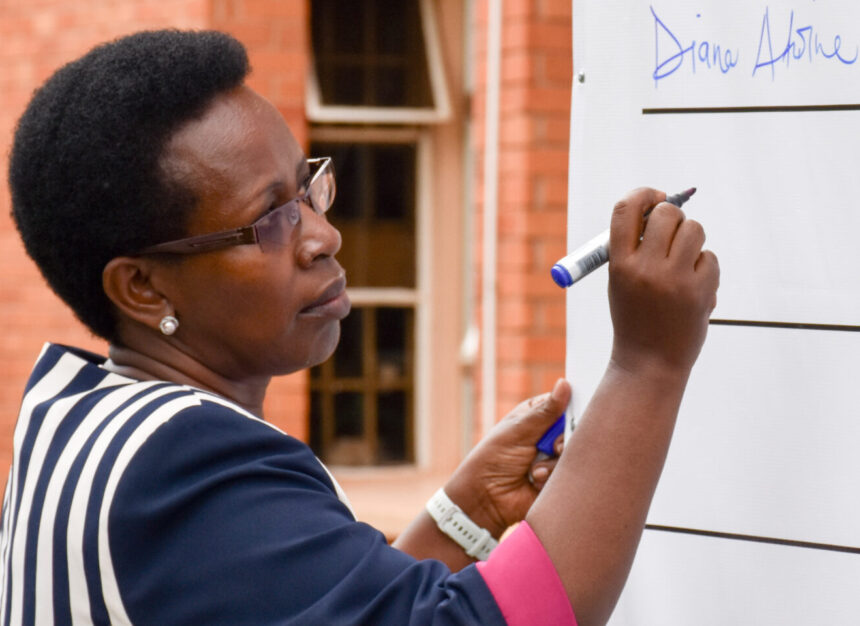
Speaking at the launch the official launch of Nationwide Mandatory Newborn Screening for Sickle Cell Disease, Dr Diana Atwiine, the Ministry of Health Permanent Secretary highlighted the heavy toll the disease continues to take on children, families and the health system.
Sickle cell disease is a major but often under-recognised contributor to under-five mortality, a key global and national development indicator. Dr Atwiine noted that out of an estimated 20,000 children born each year with sickle cell disease in Uganda, between 6,000 and 9,000 die before reaching their fifth birthday.
“If we are serious about reducing under-five mortality, then we must seriously target sickle cell disease,” she said.
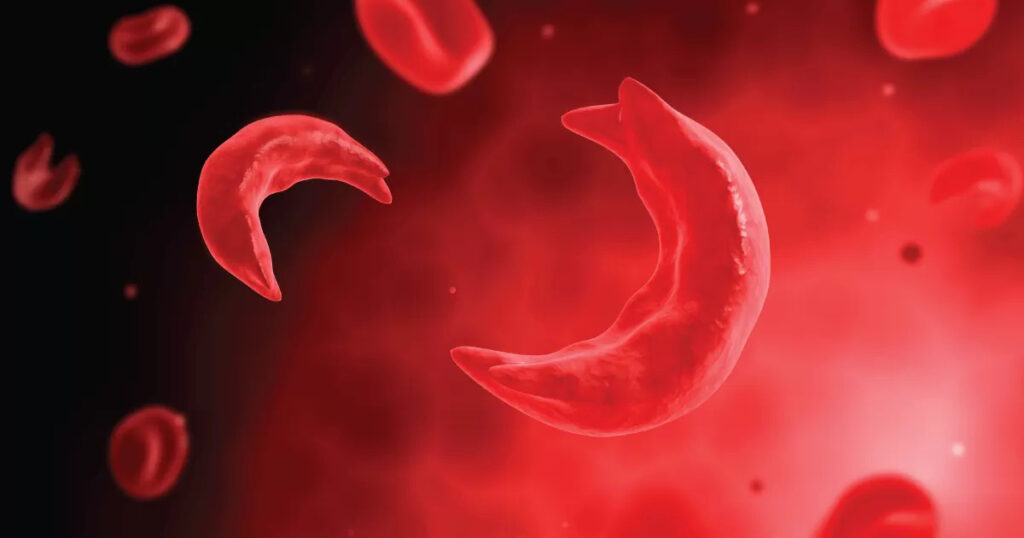
Beyond child deaths, the disease places enormous pressure on already stretched health resources. Children living with sickle cell disease frequently require blood transfusions to survive severe anaemia and complications.
“These children are blood guzzlers,” Dr Atwiine said, explaining that high demand from sickle cell patients competes with the needs of mothers in labour, children with severe malaria, and cancer patients. Reducing preventable sickle cell cases, she stressed, is essential to stabilising the country’s blood supply.
In response, the government has integrated sickle cell prevention, diagnosis and care into the public health system, moving away from isolated or “vertical” programmes. Newborn screening is being scaled up nationwide, supported by strengthened laboratory capacity and the introduction of rapid diagnostic tests that can be used even in lower-level health facilities. These tests, similar to those used for HIV, allow early identification and prompt linkage to care.
Uganda has also expanded access to treatment. Hydroxyurea, a life-saving medicine that reduces complications and hospital admissions, is being added to the national essential medicines list and distributed more widely, despite ongoing budget constraints. Dedicated sickle cell clinics and updated clinical guidelines are helping health workers manage complex cases, including organ damage.
Dr Atwiine warned that without decisive prevention, the future costs will be devastating. “If we do not address sickle cell in the next 20 years, it will be worse than HIV in terms of burden and resource drain,” she said.
Central to prevention is premarital and pre-conception counselling and testing. Citing Egypt’s success in drastically reducing sickle cell prevalence through mandatory testing, Dr Atwiine urged Ugandans to know their sickle cell status before marriage or childbearing. She also called for stronger partnerships with the media, religious and cultural leaders to fight stigma, misinformation and harmful beliefs that delay care.
“Sickle cell is genetic, not witchcraft, and prevention is our strongest weapon,” Dr Atwiine concluded. “This journey has started, and with collective action, we can save thousands of young lives in Uganda and beyond.”