



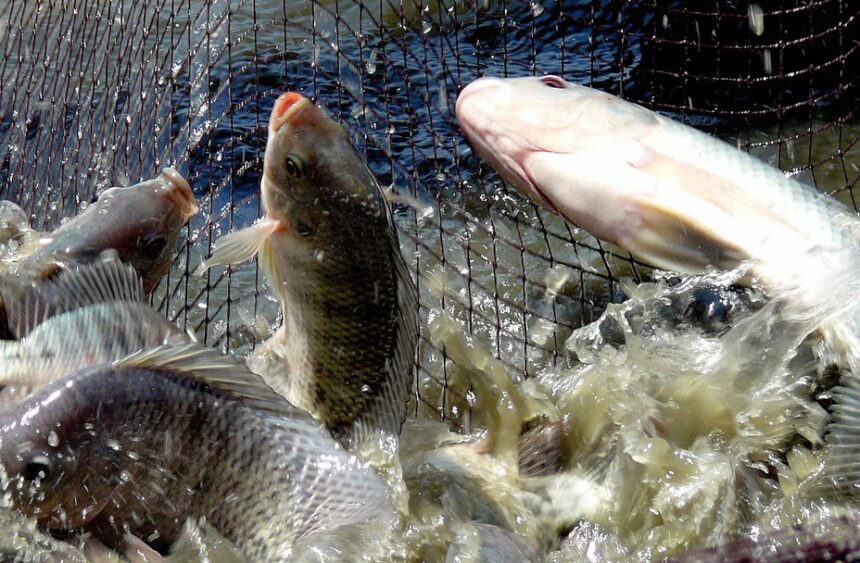
Uganda has secured a major breakthrough in its agricultural export strategy after gaining approval to access the European Union market for farmed fish, opening a potentially lucrative avenue for the country’s aquaculture industry.
The authorization from the European Union allows Uganda to export finfish and finfish products derived from aquaculture — including tilapia and other farmed species — to EU member states. The decision marks a significant milestone in Uganda’s efforts to diversify exports and increase value addition within the fisheries sector.
The EU market is one of the most regulated and high-value destinations globally for fish and fish products. Entry requires strict compliance with sanitary and phytosanitary standards, traceability requirements, and quality control systems. Uganda’s clearance signals that its aquaculture regulatory framework, inspection systems, and production standards have met EU benchmarks.
The move is expected to benefit commercial fish farmers operating around major water bodies such as Lake Victoria as well as emerging aquaculture enterprises across the country. While Uganda has historically exported wild-caught Nile perch to Europe, farmed fish exports had faced restrictions due to compliance gaps and certification requirements.
Industry stakeholders say the approval could stimulate investment in hatcheries, feed production, cold chain logistics, and fish processing facilities. Tilapia, one of the most widely farmed species in Uganda, is particularly in demand in European markets where consumers are increasingly seeking sustainably farmed and traceable seafood products.
Government officials have in recent years emphasized aquaculture as a strategic growth area under the country’s agro-industrialization agenda. With declining fish stocks in some natural water bodies and growing domestic and regional demand, fish farming has been promoted as a sustainable alternative capable of boosting incomes, creating jobs, and strengthening food security.
Access to the EU market is also expected to enhance foreign exchange earnings, as exporters tap into higher price premiums compared to regional markets. Analysts note that maintaining compliance will be critical, as the EU conducts regular audits and inspections to ensure ongoing adherence to its food safety regulations.
If effectively leveraged, the EU approval could reposition Uganda from a largely raw fish exporter to a competitive supplier of certified aquaculture products in one of the world’s most demanding markets.