



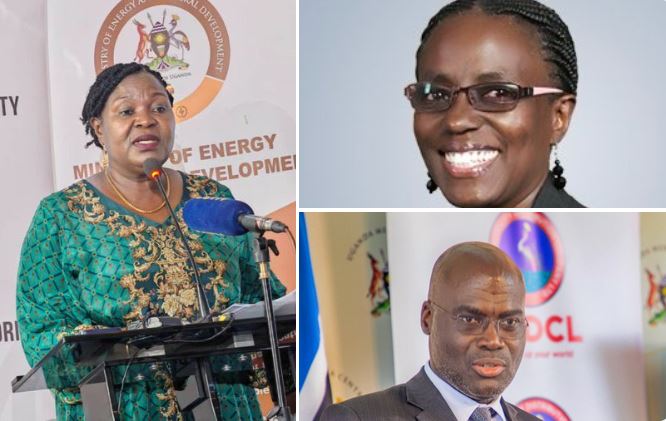
The abrupt dismissal of Lydia Ochieng Obbo and the forced leave of Paul Mwesigwa has thrown a harsh spotlight on the inner workings of Uganda Electricity Distribution Company Limited, raising fresh questions about governance, political oversight and the stability of Uganda’s post-Umeme electricity era.
Announced by Energy Minister Ruth Nankabirwa, the twin actions were framed as part of a “routine” management review aimed at strengthening accountability.
But the simultaneous targeting of both the board chair and chief executive suggests a deeper rupture within the state-owned distributor—one that insiders say may have been building quietly for months.
At the centre of the investigation is UEDCL’s expanded mandate following the 2025 exit of Umeme Limited, which returned electricity distribution fully into government hands.
The transition was politically celebrated as a reclaiming of national control, but operationally, it has exposed structural weaknesses.
Sources familiar with the review point to concerns over procurement processes, revenue leakages and internal controls—issues that typically emerge when institutions scale rapidly without matching governance reforms.
While the Ministry of Energy insists power supply will remain stable, analysts argue that leadership turbulence at such a critical moment could undermine investor confidence and slow ongoing sector reforms.
UEDCL is not just another parastatal; it sits at the heart of Uganda’s industrialisation agenda, where reliable electricity is directly tied to economic growth.
The decision to install interim leadership, though aimed at ensuring continuity, also raises questions about transparency. Neither the full findings of the government-led assessment nor specific allegations against the outgoing officials have been made public.
This opacity risks fueling speculation that the shake-up may be as political as it is administrative.
Energy sector observers note that while Uganda has long struggled with balancing political control and professional management in its utilities, the removal of top leadership without a detailed public audit could reinforce perceptions of instability, especially among private sector players who rely on predictable policy and operational environments.
For now, the government’s message is one of control and continuity. But beneath the official assurances lies a more complex reality: a strategic national utility undergoing stress tests in real time.
Whether this intervention marks a genuine reset in governance—or simply a reshuffling of leadership—will depend on what the ongoing review ultimately reveals, and whether its findings are subjected to public scrutiny.