



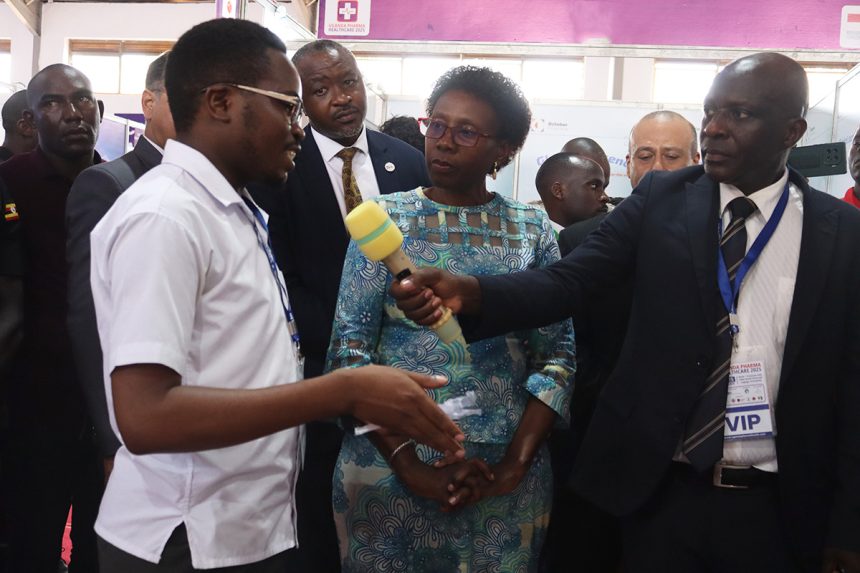
At the ongoing 5th edition of the Uganda Pharma Healthcare Expo at the UMA Show Grounds, Uganda’s Minister of Health, Dr. Jane Ruth Aceng, has called for increased funding and support for local pharmaceutical manufacturers. Her remarks come in response to the funding gap left by the 90-day suspension of USAID support, which has impacted healthcare initiatives in the country.
Dr. Aceng emphasized the critical role of the healthcare industry in saving lives and advancing medical care. She highlighted how exhibitions like the Uganda Pharma Healthcare Expo provide a platform for learning about new innovations, medicines, and manufacturers, fostering crucial partnerships for the sector.
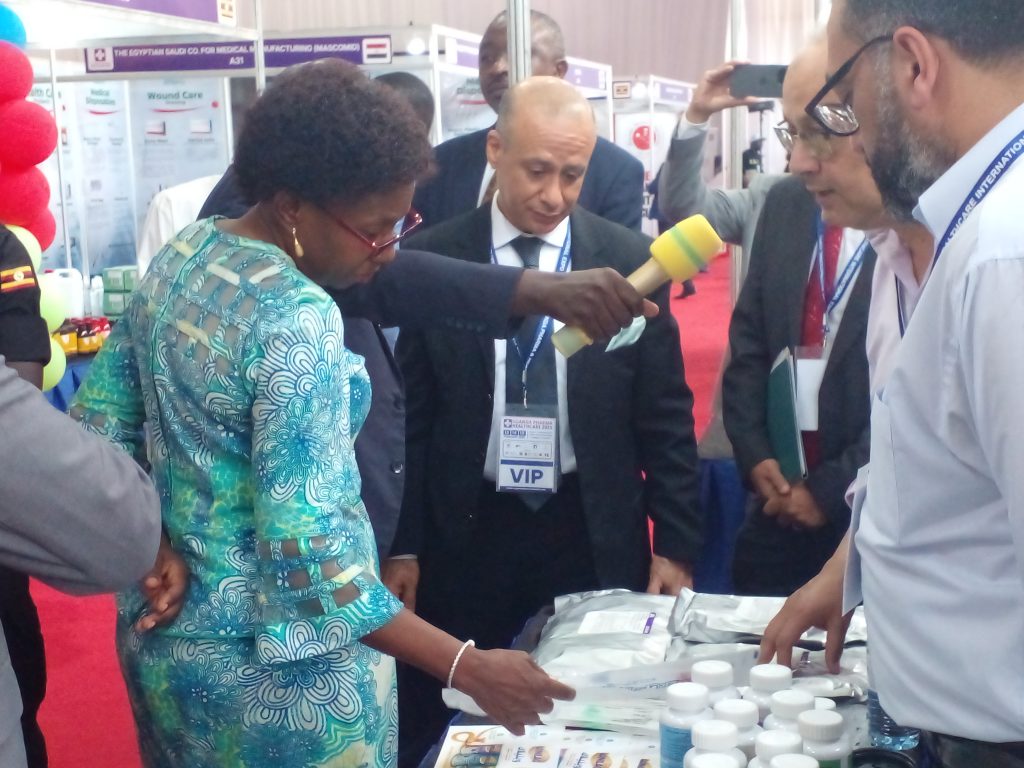
“I want to extend my appreciation to all exhibitors, particularly those from India, Egypt, Turkey, and others, for their contribution to Uganda’s pharmaceutical sector,” Dr. Aceng stated. “Most of our pharmaceuticals come from your countries, and such collaborations are essential for the growth of our local industry.”
She lauded the Ugandan government’s commitment to strengthening the pharmaceutical sector through policies like the “Buy Uganda Build Uganda” (BUBU) initiative. This policy promotes local manufacturing by offering favorable conditions to domestic producers, while imposing stricter verification fees and taxes on imported pharmaceutical goods.
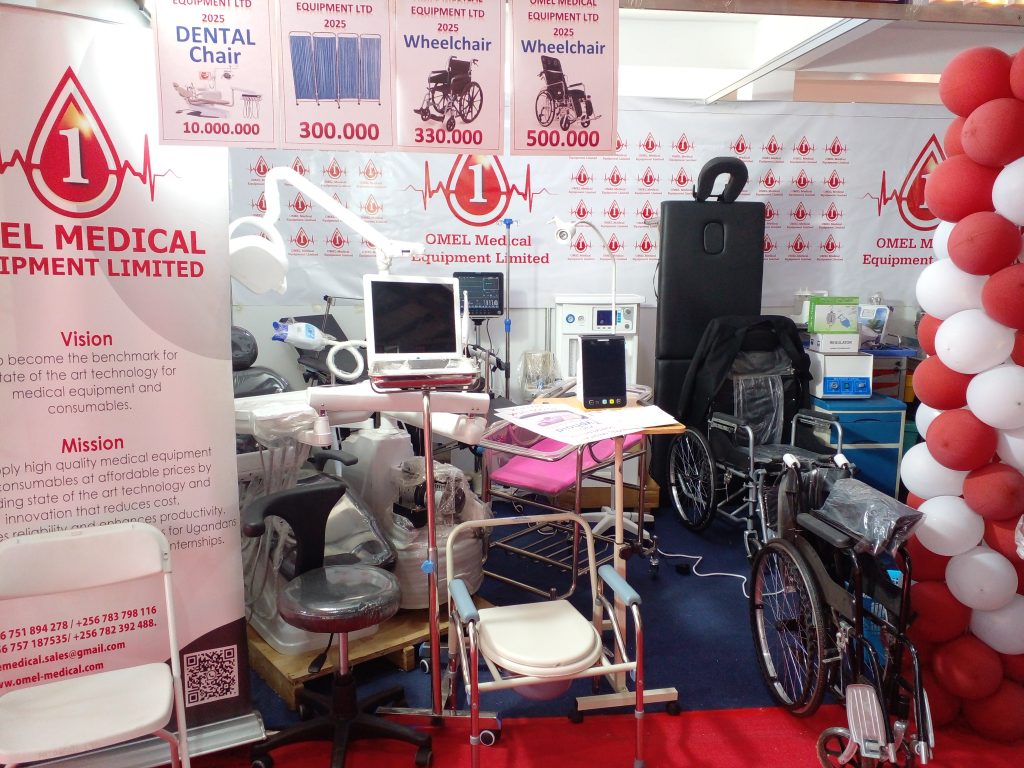
Dr. Aceng also underscored the importance of aligning with the African Union’s Vision 2063, which prioritizes local manufacturing of medicines, health supplies, and vaccines across the continent. She noted that the COVID-19 pandemic exposed Africa’s vulnerability in accessing essential medical supplies, reinforcing the need for self-sufficiency.
“This is a great step forward, learning from the COVID-19 pandemic where Africa struggled to access vaccines and test kits despite having funds available,” she said. “Frequent outbreaks in Uganda highlight the need to ensure essential health supplies are manufactured locally.”
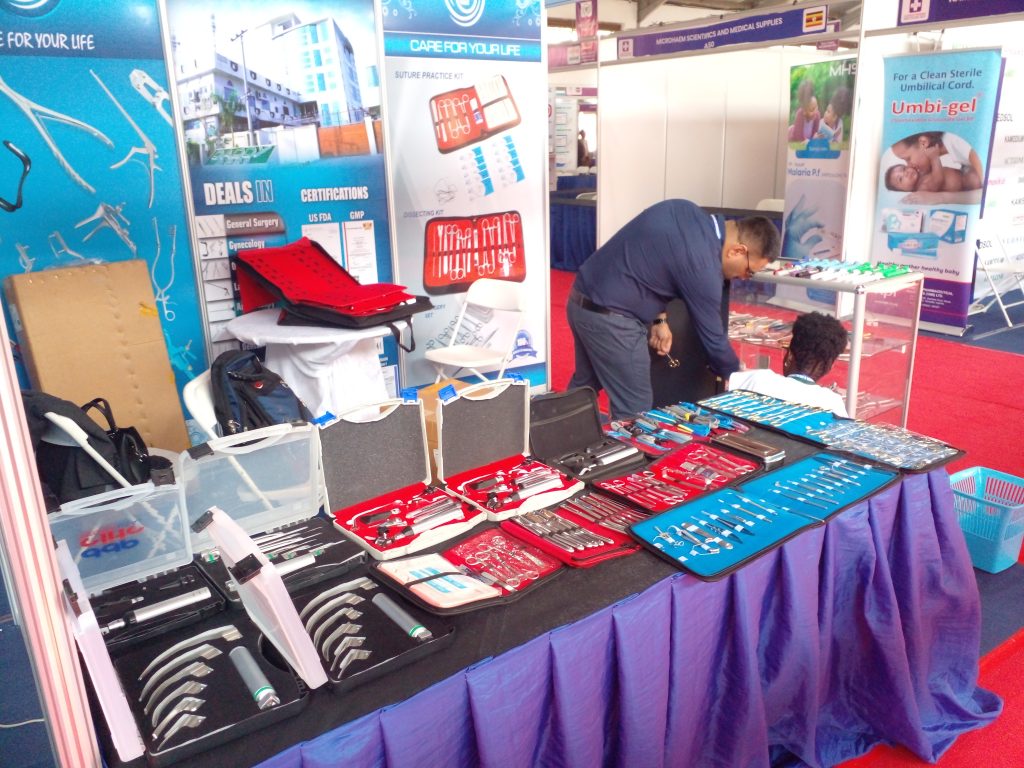
The Minister challenged stakeholders in the pharmaceutical industry to step up and ensure Uganda can locally produce critical medical supplies, such as Ebola test kits, infection prevention and control (IPC) materials, and monoclonal antibodies.
“We must take up the mantle and ensure that, when outbreaks occur, we can respond immediately with locally available resources,” she urged.
Dr. Aceng’s remarks serve as a call to action for increased investment in Uganda’s pharmaceutical sector, aiming to build resilience and self-sufficiency in handling future health emergencies.