



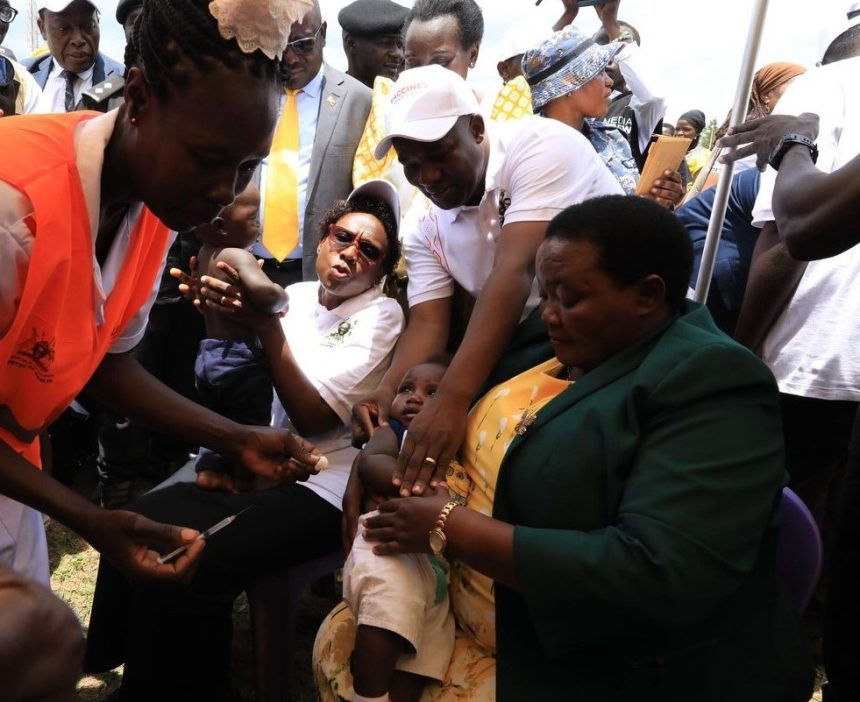
The Ministry of Health, in collaboration with global health partners, has launched the country’s most extensive malaria vaccination campaign to date. This initiative aims to immunize over 1.2 million children under the age of two against malaria, a disease that remains a leading cause of illness and death among young children in the country.
The campaign, which began in Apac District, a region with the highest mosquito bite rates worldwide, will administer the R21/Matrix-M malaria vaccine in four doses at 6, 7, 8, and 18 months. Initially targeting 1.1 million children in 105 high and moderate transmission districts, the program plans to expand nationwide in the future.
A Major Step in Malaria Prevention
Malaria is responsible for 40% of all outpatient visits, 25% of hospital admissions, and 14% of all hospital deaths in Uganda, according to 2022 WHO data. Uganda ranks among the top five African countries with the highest malaria burden, alongside Nigeria, the Democratic Republic of Congo, Ethiopia, and Mozambique.
Speaking at the launch, Uganda’s Minister of Health, Dr. Jane Ruth Aceng Ocero, highlighted the vaccine’s potential to prevent at least 800 cases of severe malaria daily, easing the financial burden on families. “I urge all parents and caregivers to ensure that children aged 6 to 18 months receive the malaria vaccine at the nearest health facility. Completing all four doses is essential for maximum protection,” she stated.
Global Support for a Life-Saving Initiative
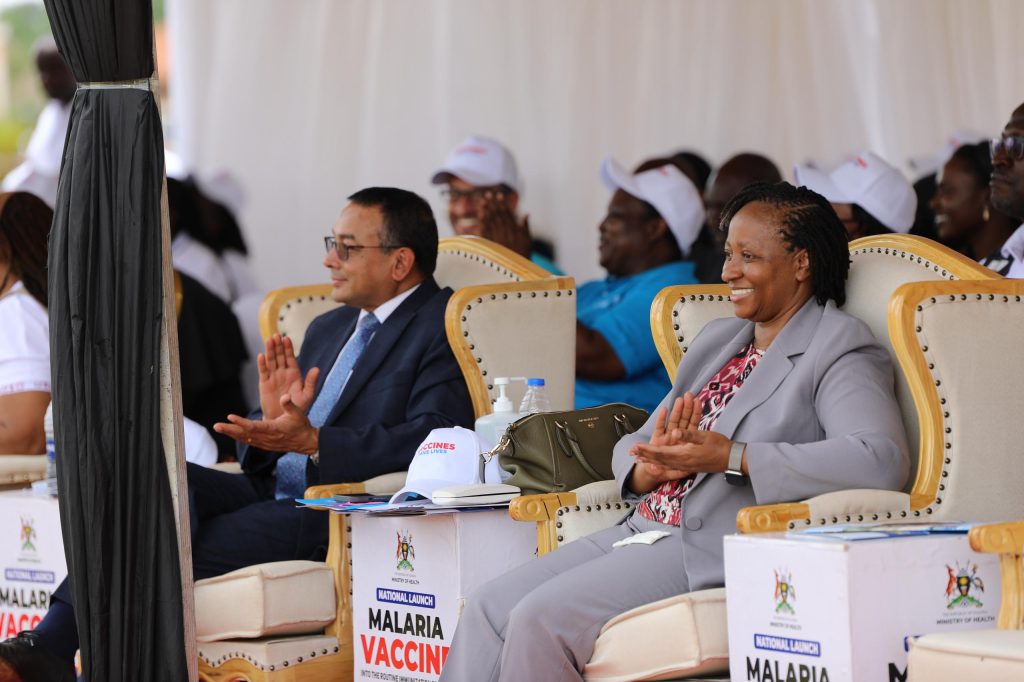
The vaccination campaign is backed by Gavi, the Vaccine Alliance, along with UNICEF, WHO, PATH, and CHAI. Gavi provides financial support for vaccine procurement and distribution, ensuring malaria immunization is integrated into Uganda’s routine healthcare system.
Dr. Sania Nishtar, CEO of Gavi, emphasized the significance of continued funding: “The malaria vaccine, proven safe and effective, saves lives and prevents hospitalizations. Without sustained financial support, these life-saving efforts could falter, leaving millions of children vulnerable.”
UNICEF, which oversees vaccine procurement and community awareness campaigns, reaffirmed its commitment to child health. Dr. Robin Nandy, UNICEF Representative to Uganda, stressed the importance of combining the vaccine with existing malaria prevention measures for greater impact.
Implementation and Future Plans
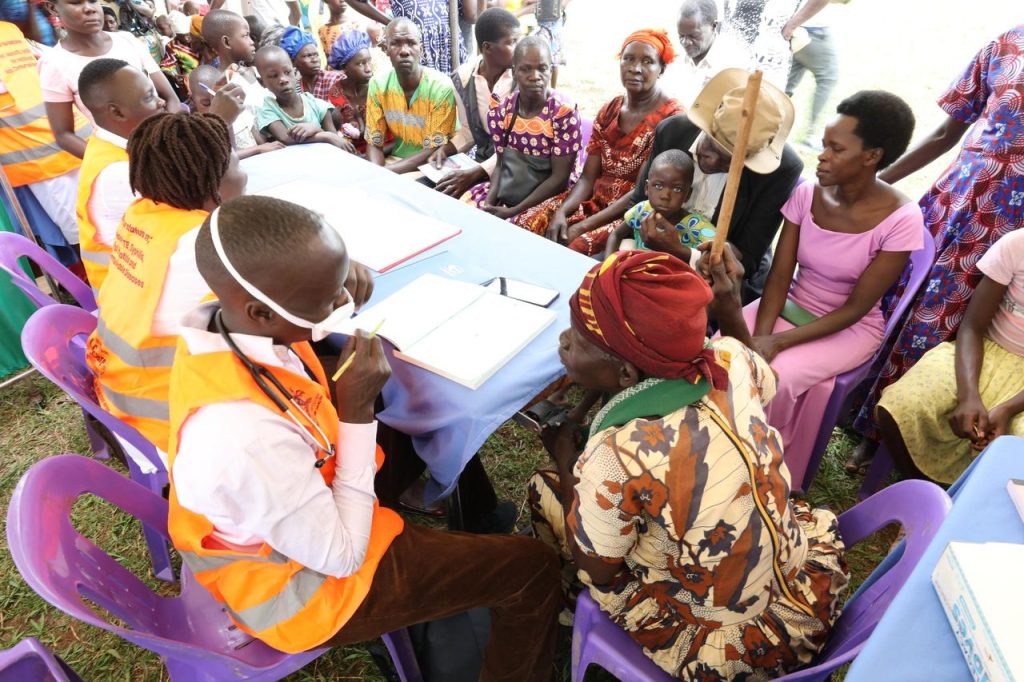
Uganda’s Ministry of Health, with support from partners, has distributed 2.278 million vaccine doses across the targeted districts. The rollout includes intensified community mobilization efforts, engagement with local leaders, and training for healthcare workers to ensure efficient vaccine administration.
WHO, which coordinated the pilot evaluation of the first malaria vaccine, RTS,S, continues to provide technical guidance for the program. Evidence from earlier vaccine rollouts in Ghana, Kenya, and Malawi demonstrated a 13% reduction in all-cause mortality among children, reinforcing the vaccine’s effectiveness.
A Historic Turning Point
Dr. Kasonde Mwinga, WHO Representative to Uganda, hailed the initiative as a “historic turning point” in the fight against malaria. “By integrating the malaria vaccine into routine immunization, Uganda is taking a bold step to protect its children, save lives, and secure a healthier future.”
The success of Uganda’s malaria vaccination program depends on sustained financial and logistical support. As more African countries plan similar rollouts in 2025, continued investment in malaria prevention remains crucial in the global effort to combat this deadly disease.