



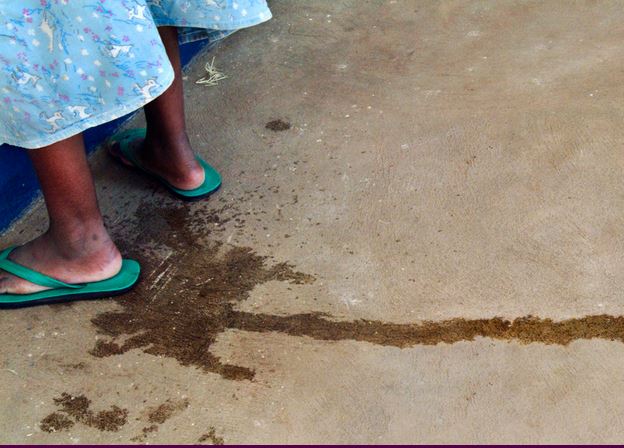
Health experts have sounded alarm over the persistent burden of obstetric fistula in Uganda, linking it to malnutrition, early pregnancies, poor antenatal attendance, and cultural practices that hinder timely maternal care.
During a public sensitization forum, reproductive health professionals explained how malnutrition compromises tissue development in young girls, making them prone to obstetric fistula during childbirth.
“When a girl is malnourished, her pelvic tissues are underdeveloped. In the event of prolonged or obstructed labor, these tissues—particularly between the birth canal and bladder or rectum—are easily crushed, leading to fistula,” explained, Alia Godfrey- a Fistula Surgeon, Obstetrician and Gynaecologist.
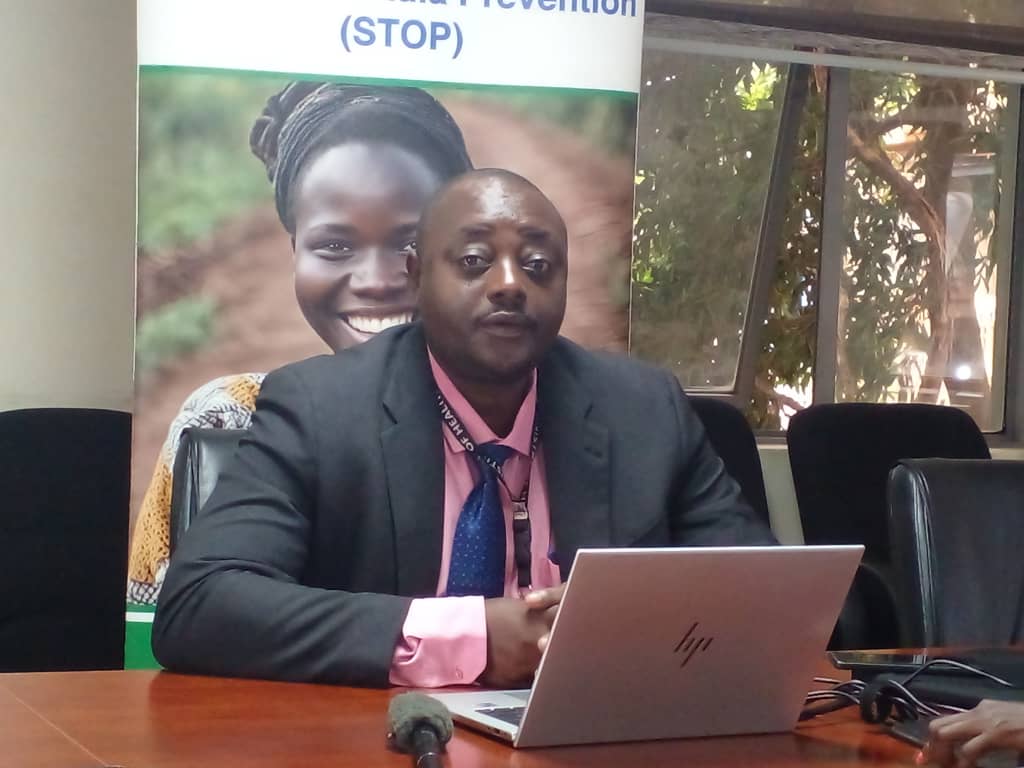
He further noted that early pregnancies are a key contributor. “When a young girl conceives, her pelvic canal is often too small to accommodate a normal-sized baby. Without access to skilled birth attendance, the baby’s head remains stuck for too long, cutting off blood supply and causing ischemia—tissue death—which eventually creates the abnormal holes we call fistula,” he said.
Uganda previously had over 300,000 women living with obstetric fistula. Thanks to increased advocacy and improved repair services, the backlog is gradually reducing.
“We now register around 1,900 new cases each year, down from previous levels. However, the pace of repairs still lags behind new cases,” said Dr.Rony Bahatungire, Acting Commissioner,Clinical Services-Ministry Of Health.
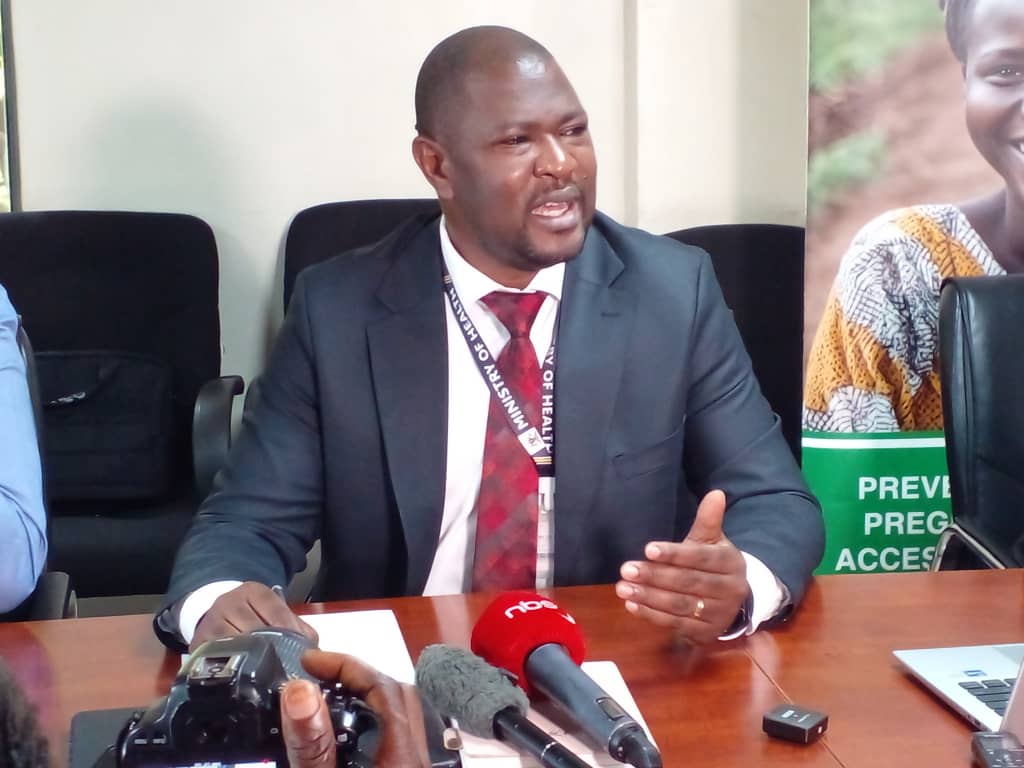
The forum also revealed that some women used to wait up to 12 years to access fistula surgery. While the wait time has since reduced to between 5 to 7 years, the health sector still struggles due to a limited number of specialized surgeons.
Efforts such as antenatal care and birth planning are proving useful. “Skilled birth attendants can estimate the size of the baby and the mother’s pelvis to determine if normal delivery is safe. If not, a timely cesarean section can save both the mother and baby, and prevent fistula,” Dr. Bahatungire added.
Cultural practices like child marriage were also cited. “In Busoga and other regions, girls as young as 12 are being married off. Within two years, they conceive and suffer complications. We must end early marriages,” the health team emphasized.
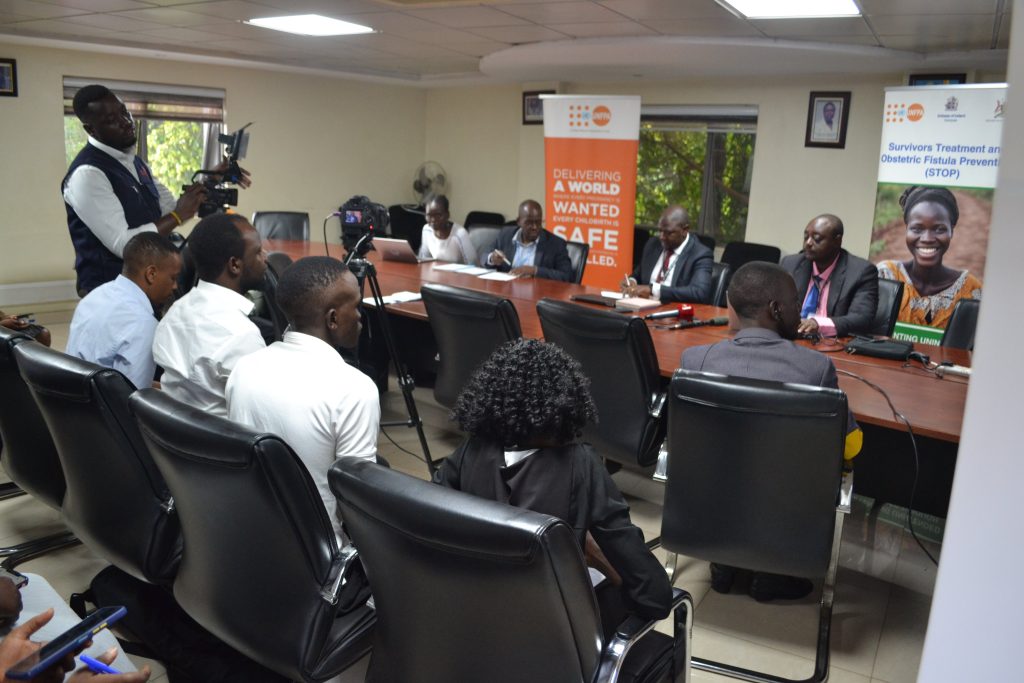
They called on men to support their partners by financing medical care and ensuring they attend antenatal services. “Prevention is our strongest tool. Let us delay the age of first pregnancy, promote proper nutrition, and advocate for skilled care at childbirth,” they concluded.
The experts stressed that fistula is not just a woman’s problem—it’s a societal issue affecting families and communities alike.