




As Uganda gears up for the 4th Annual National Nutrition Symposium, senior health officials have sounded the alarm on a growing malnutrition crisis in the country, calling for urgent reforms, especially in schools, to reverse the trend.
Dr. Daniel Kyabayinze, the Director of Public Health at the Ministry of Health, decried the paradox of widespread malnutrition in a country endowed with abundant food resources.
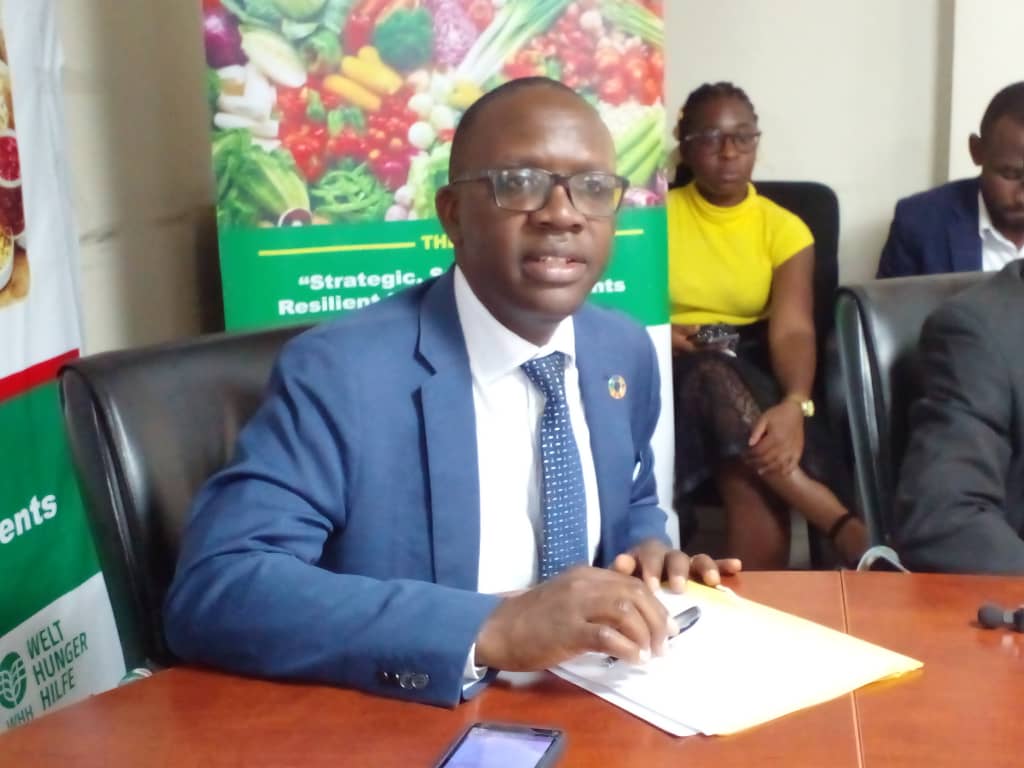
“Uganda faces a dual burden of malnutrition with significant challenges in addressing under-nutrition and the rising prevalence of diet-related non-communicable diseases,” said Dr. Kyabayinze.
“The country’s nutrition landscape is further complicated by the rapid population growth, economic vulnerabilities and the impacts of climate change on the food security” and called for “strategic, sustainable, and resilient investments” in nutrition to secure a healthier future.
Echoing the concerns, Assistant Commissioner for Community Health Dr.Upenthyo George noted that malnutrition and under-nutrition entail the quality of food that is put in the mouth all through the digestion process.
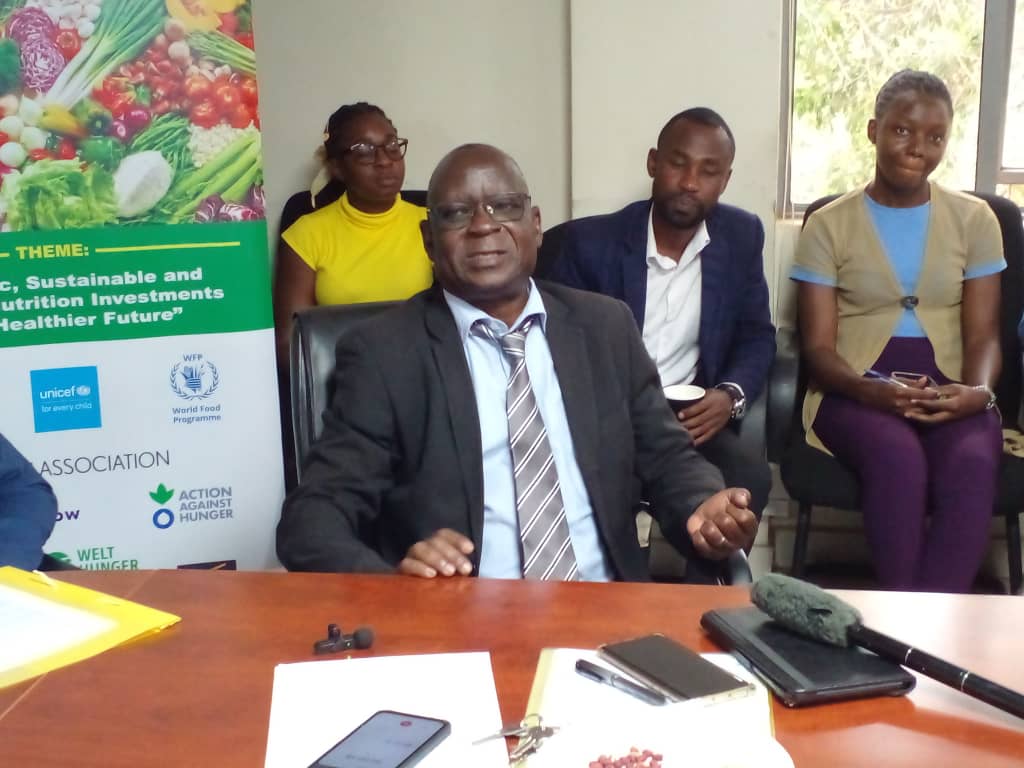
“It’s basically at the end tail of when you have failed to put the right food component into your mouth and it has gone through your mouth up to the point of digestion and fails to achieve the purpose for which it was put in the mouth. Malnutrition has become a crisis in this country even when we are actually living amidst plenty of food.”
Uganda’s children are bearing the brunt of poor dietary choices. “We are seeing both under-nutrition and over-nutrition, especially in schools,” according to Lonyo Grace Ochieng, the principal nutritionist in the ministry of health.
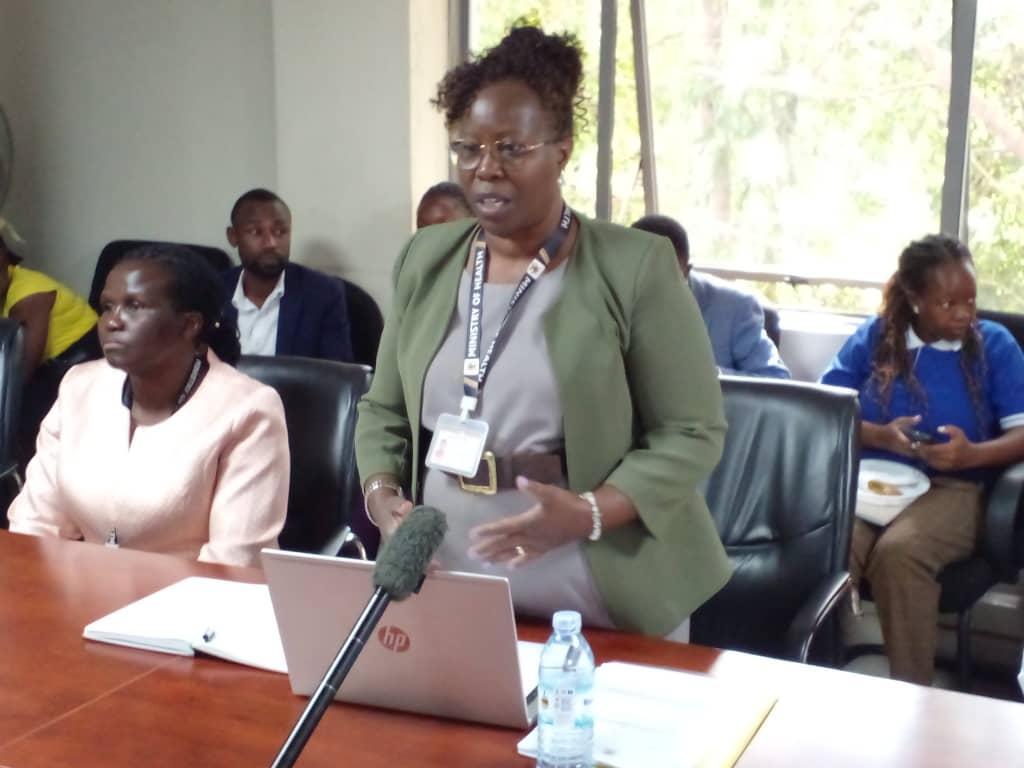
“In Karamoja and West Nile, under-nutrition is rampant because of a lack of dietary diversity. People are eating the same foods — mostly posho and beans — every day, leading to wasting and stunting,” Grace observed.
Conversely, in Central Uganda, over-nutrition is on the rise. “Parents give children money for lunch, and they go for takeaways and fast foods. We are now seeing obesity and, alarmingly, even non-communicable diseases like diabetes among youth as young as 16,” she warned.
Lonyo Grace , emphasized the importance of regulating children’s diets through a standardized school feeding program.
“The objective of the school menu is that children receive at least 70% of their daily dietary requirement while at school,” she said. “The menus are designed by age group — early childhood, lower primary, middle primary, and secondary — because each group has different nutritional needs.”
She stressed that through age-specific, balanced meals, schools can play a key role in tackling both extremes of malnutrition and securing the country’s future health.