



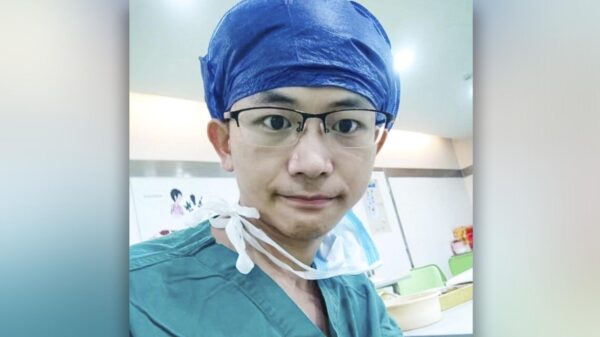
The mysterious death of Luo Shuaiyu, a Chinese medical intern who allegedly exposed a ring of illegal organ harvesting at a major hospital, has sent shockwaves far beyond China’s borders—reigniting serious concerns in Uganda, where similar allegations have been brewing for years under a cloud of secrecy and limited legal safeguards.
Luo, a graduate student at Second Xiangya Hospital, was found dead in May 2024 under suspicious circumstances while reportedly compiling evidence implicating senior hospital officials in forced organ extraction, including cases involving children.
Though Chinese authorities have ruled his death a suicide, Luo’s family, supported by millions online, insists he was silenced for speaking out.
Echoes in Uganda
The chilling story has drawn uncomfortable parallels in Uganda, where accusations of illegal organ trafficking—particularly involving vulnerable populations such as refugees, street children, and impoverished patients—have surfaced periodically but rarely lead to convictions or public accountability.
Ugandan health rights advocates say Luo’s case highlights the urgent need for transparency and reform in Uganda’s organ transplant framework, particularly as underground networks allegedly target desperate or uninformed citizens for organs.
“This isn’t just a China problem—it’s a global one, and Uganda is no exception,” says Dr. Juliet Nankya, a bioethics lecturer at Makerere University. “We’ve had multiple reports of patients being taken abroad under suspicious circumstances, some never returning. The country urgently needs a robust legal and ethical mechanism to monitor organ donations and transplants.”
A Legal Vacuum
Uganda lacks a comprehensive and fully operational law on organ transplantation. While the Human Organ Donation and Transplant Bill was drafted in recent years, it has faced delays in Parliament, leaving a dangerous legal vacuum that traffickers exploit.
This legal gap has made it difficult to prosecute cases or track the movement of human tissues—especially when deals are struck informally, or when organs are harvested under the pretext of “medical exchange programs.”
“Without a clear legal framework, how do you differentiate between legitimate medical tourism and trafficking?” asks Sarah Adoch, a human rights lawyer with Chapter Four Uganda. “We need laws with teeth—not just words on paper.”
Investigations Stalled, Public Left in the Dark
In Uganda, several whistleblowers and investigative journalists have claimed they were intimidated or silenced after probing alleged organ trafficking rings involving private hospitals and foreign facilitators. In one instance in 2023, a hospital in Kampala was accused of extracting organs from an unconscious accident victim without family consent. The matter was quietly settled, with no public report issued.
Like Luo’s parents in China, Ugandan families affected by alleged illegal harvesting often find themselves facing institutional silence or even threats.
“Medical institutions cannot be left to investigate themselves,” said a recent editorial in The Highflyer Report. “Uganda must learn from China’s failures. The price of inaction is the loss of innocent lives and public trust.”
Civil Society Steps In
Civil society organizations such as the Uganda Human Rights Commission, CEHURD, and Black Monday Movement are now calling for a fully independent commission to audit Uganda’s medical institutions, particularly in relation to transplant procedures involving foreign patients or international donors.
They also urge Parliament to urgently revisit and pass the Organ Donation and Transplant Bill, ensuring stringent regulation, consent protocols, and severe penalties for traffickers.
“This is a defining moment,” said CEHURD’s Executive Director, Moses Mulumba. “Uganda must rise to protect its people, or risk becoming a hotspot for medical crimes.”
Global Lessons, Local Urgency
As the Luo Shuaiyu case continues to stir outrage in China, its ripples are being felt around the world. For Uganda, it is both a cautionary tale and a call to action—one that underscores the need for laws, transparency, and protection for whistleblowers.
Without systemic change, experts warn, Uganda risks becoming a silent partner in a global organ trade that preys on the vulnerable—and punishes those who try to expose it.
Reporting by The Highflyer Report News Desk
For tips or confidential reports on illegal organ harvesting, contact: thehighflyerreport@gmail.com