



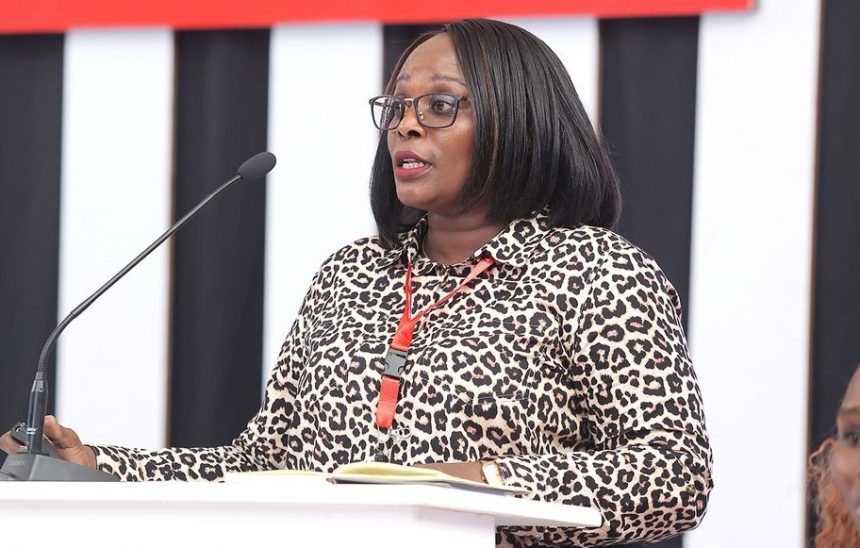
Dr. Lydia Buzaalirwa, Senior Director of Quality Management and Medical Logistics at AIDS Healthcare Foundation (AHF) Africa, spoke to us on the sidelines of the Triple Elimination Conference 2025. Following her presentation on integrating HIV, Hepatitis B, and Syphilis control programs, she shared insights into AHF’s innovative “wellness clinics” model, implementation challenges, and why integration is vital for Africa’s public health future.
Q: What was the focus of your presentation at the Triple Elimination Conference?
A: I presented AHF Africa’s model of integrating sexually transmitted infection (STI) services into HIV clinics through wellness clinics. These clinics identify and treat STIs early, which helps reduce both STI prevalence and HIV transmission. There’s a strong link between the two—research shows someone with an STI is up to three times more likely to acquire HIV.
Q: How are these wellness clinics structured within AHF’s existing services?
A: We set up a dedicated wing within our HIV clinics. Anyone—whether they suspect an STI or have had a high-risk sexual encounter—can walk in. A nurse screens them using a standardized risk profile, then they see a counselor, get tested, and if needed, receive treatment from a clinician. The aim is to offer comprehensive, fast, and confidential care.
Q: What challenges have you encountered in rolling out this model?
A: A few. Internally, staff view this as added work, so we’ve introduced shifts to manage workloads. In some countries, we’ve faced regulatory hurdles and reluctance from partner facilities fearing duplication or competition. Supply chain issues are also significant—many diagnostics, like gene expert cartridges, are expensive and slow to procure.
Q: How have you addressed the stigma around HIV and STIs?
A: We maintain strict confidentiality, ensure quick service, and use peer outreach and social media for discrete communication. However, legal restrictions around sex work and same-sex relationships push vulnerable populations underground, limiting their access to services.
Q: What breakthroughs have you seen?
A: We’ve reached individuals who wouldn’t have come for HIV testing but do come for STI care. Dual test kits—for HIV and syphilis—have been game-changers, allowing us to screen efficiently in one step. Community response has been encouraging.
Q: What’s your call to action?
A: We urge policymakers, civil society, and implementers to review and adopt integrated STI-HIV services. With collective effort, we can accelerate Africa’s journey toward the triple elimination of HIV, Hepatitis B, and Syphilis.