



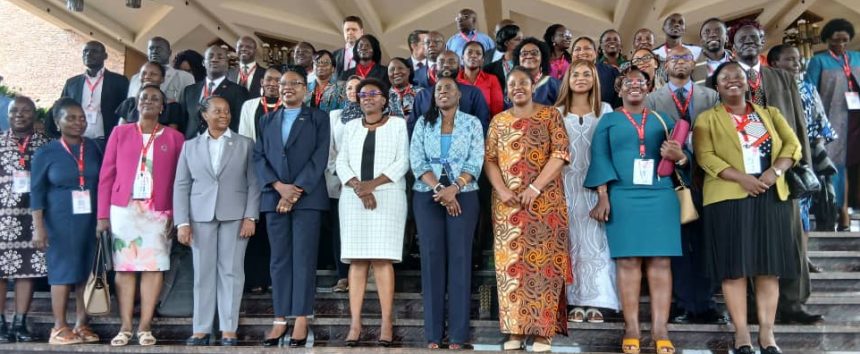
African Health Ministers have unanimously adopted a landmark 12-point action plan aimed at eliminating the mother-to-child transmission of HIV, syphilis, and hepatitis B across the continent by 2030.
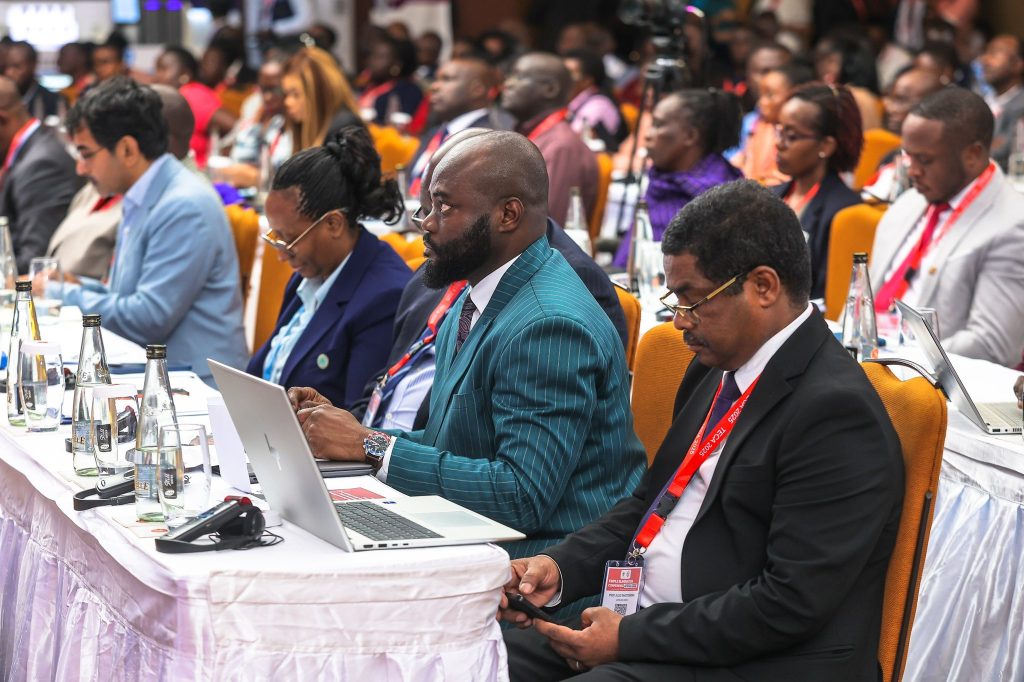
The commitment came at the conclusion of the High-Level Ministerial Conference on Triple Elimination, hosted from July 21–23 in Kampala, Uganda.
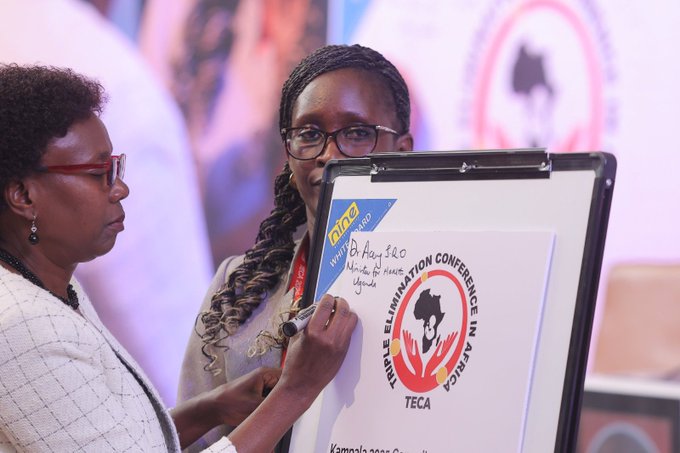
Uganda’s Health Minister, Dr. Jane Ruth Aceng, who presided over the conference, emphasized the urgency of the initiative, calling on all stakeholders to rally behind the cause.
“This is a unifying call to action for transforming futures and achieving triple elimination in Africa by 2030,” Dr. Aceng declared during her closing remarks.
The action plan, adopted by ministers of health from African Union member states, development partners, and civil society organizations, outlines strategic priorities including universal access to antenatal care, increased testing and treatment for expectant mothers, and timely vaccination of newborns.
The ministers acknowledged the persistence of vertical transmission of the three infections as a major public health threat, undermining maternal and child health on the continent.
Dr. Aceng noted that evidence-based interventions to prevent vertical transmission are already available and cost-effective, but called for urgent action to address systemic gaps in awareness, diagnosis, treatment, and service integration.
Key targets include ensuring that by 2030, at least 95% of pregnant women receive timely and comprehensive antenatal care, and 95% of newborns receive the hepatitis B birth dose within 24 hours. The plan also prioritizes sustained funding, surveillance systems, combating stigma, and community engagement.
The African Union Commission, Africa CDC, and AUDA-NEPAD were tasked with mobilizing political leadership, advocating for resources, and supporting cross-country learning through regional knowledge hubs.
Civil society and development partners were called upon to support member states with technical expertise, financing, and advocacy to address structural barriers like poverty, gender inequality, and discrimination.
“This is not just a declaration—it is a commitment to save lives, ensure healthy futures, and build resilient health systems,” Dr. Aceng affirmed.
The plan was formally adopted on July 23, 2025, in Munyonyo, Kampala, setting the stage for a continent-wide push to protect mothers and children from preventable infections.