



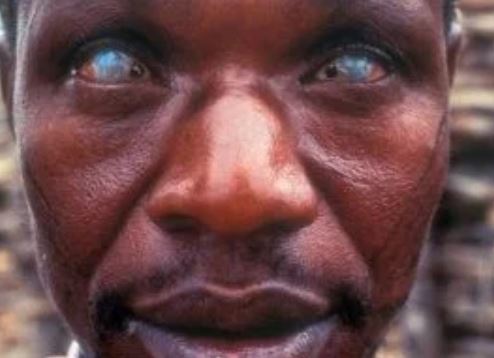
Uganda today opened the Eighteenth Session of the Uganda Onchocerciasis Elimination Expert Advisory Committee (UOEEAC) at Sheraton Hotel Kampala, bringing together local and international health experts, development partners, and government officials to assess progress and chart a path toward the full elimination of river blindness and other neglected tropical diseases (NTDs).
Health Minister Dr. Ruth Aceng reaffirmed Uganda’s commitment to eliminating onchocerciasis by 2030 under the World Health Organization’s roadmap, citing significant progress made through mass drug administration and cross-border collaboration.
“With support from the Reaching the Last Mile Fund, I am optimistic Uganda will eliminate this disease within the WHO-MTD framework,” she stated.
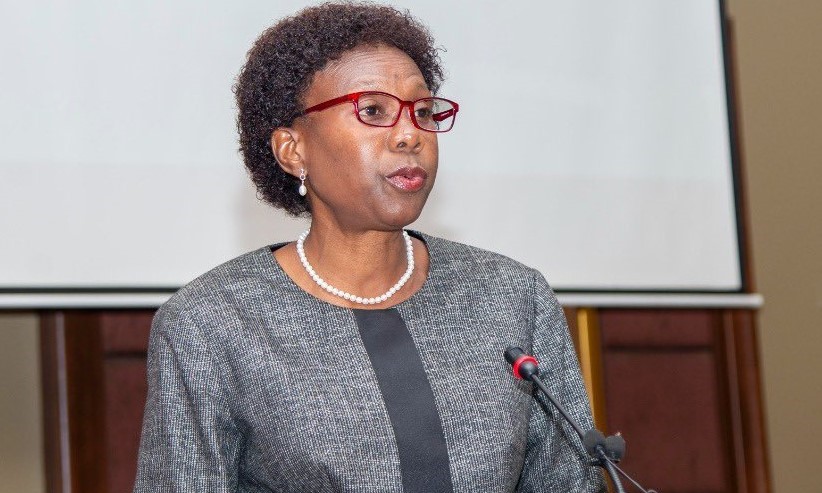
Dr. Aceng praised district health teams, neighboring countries, and international partners like the Carter Center and Sightsavers for their coordinated efforts, while calling for increased support for cross-border activities, especially along borders with South Sudan and Kenya.
However, the meeting also spotlighted several emerging concerns raised by Resident District Commissioners (RDCs) and local health officials. Chief among them is the urgent need for integrated vector control strategies, especially in high-risk and hard-to-reach areas where parasite transmission persists.
Some RDCs also called attention to challenges posed by ongoing transmission from neighboring countries, urging for more robust regional coordination and synchronized treatment efforts.
A strong appeal was also made regarding children born in refugee camps, who have often been left out of routine treatments. “These children are Ugandan citizens by birth and must be treated like any other child. Excluding them undermines elimination goals,” one RDC emphasized.
Gregory Noland, Director of the Carter Center’s River Blindness Elimination Program, commended Uganda for its leadership in disease elimination efforts and paid tribute to former U.S. President Jimmy Carter, who passed away last year at age 100. “President Carter believed in global health equity, and Uganda’s progress affirms that vision,” he said.
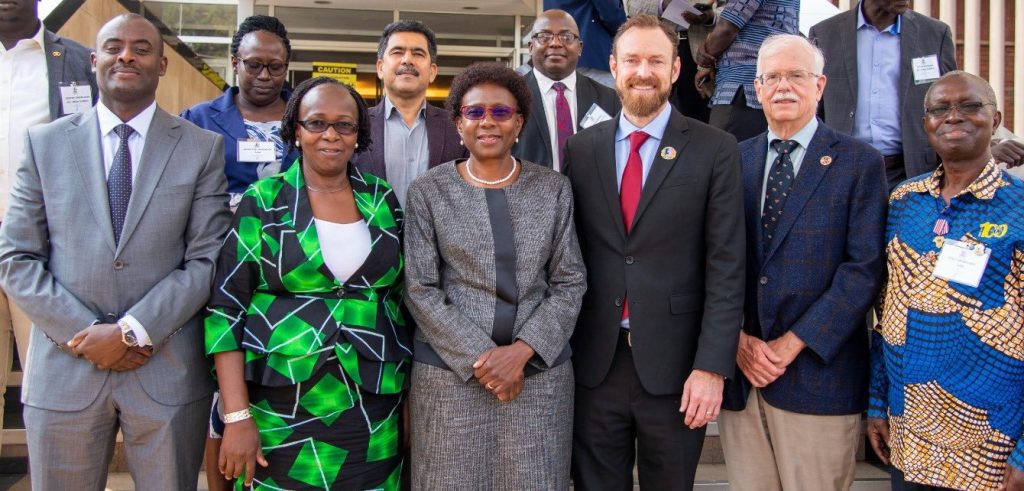
Despite setbacks due to recent U.S. foreign aid cuts, Noland announced renewed financial support from the Gates Foundation and the UAE-backed Reaching the Last Mile Fund. The initiative will channel resources into eliminating onchocerciasis and lymphatic filariasis over the next six years.
Commissioner Herbert Nabaasa from the Ministry of Health echoed the need to integrate NTD programs into national and district development plans, emphasizing that government ownership is essential to sustaining gains.
As deliberations continue into August 6, Uganda remains poised to make history by crossing the final mile in the elimination of river blindness, and in doing so, becoming a model for the African continent.