



In the lush hills of Bunyangabu and neighbouring districts, farming is more than a livelihood—it is the backbone of community survival.
For decades, smallholder farmers here toiled under the weight of subsistence production, low prices, and exploitation by middlemen.
Today, thanks to the BRIGHT Project, implemented by the International Fertilizer Development Center (IFDC) in partnership with local governments, change is stirring across banana plantations, coffee farms, and household gardens.
Farmers are learning to add value, tap into bigger markets, and strengthen their cooperatives.
Yet, as Bunyangabu District Agriculture Officer Tumwesigye Gerald warns, the real challenge lies ahead, sustaining these gains once donor support ends.

“The BRIGHT Project has truly transformed productivity and market access for our farmers,” Gerald explains. “But deliberate efforts will be needed to sustain these practices once the project closes. As government, we must align our planning with the initiatives development partners leave behind, so that farmers don’t feel abandoned.”
One of the most inspiring stories comes from Rwano Agahukaine Farmers Group in Rwano village. Traditionally, banana farmers faced crippling losses during bumper harvests when prices dropped so low that a bunch of matoke fetched just 5,000 shillings. Under BRIGHT, however, they are rewriting their future through value addition.
The group of 30 members has embarked on producing banana wine, with plans to exceed 10,000 litres annually. Chairperson Muzoora Moses outlines their vision:
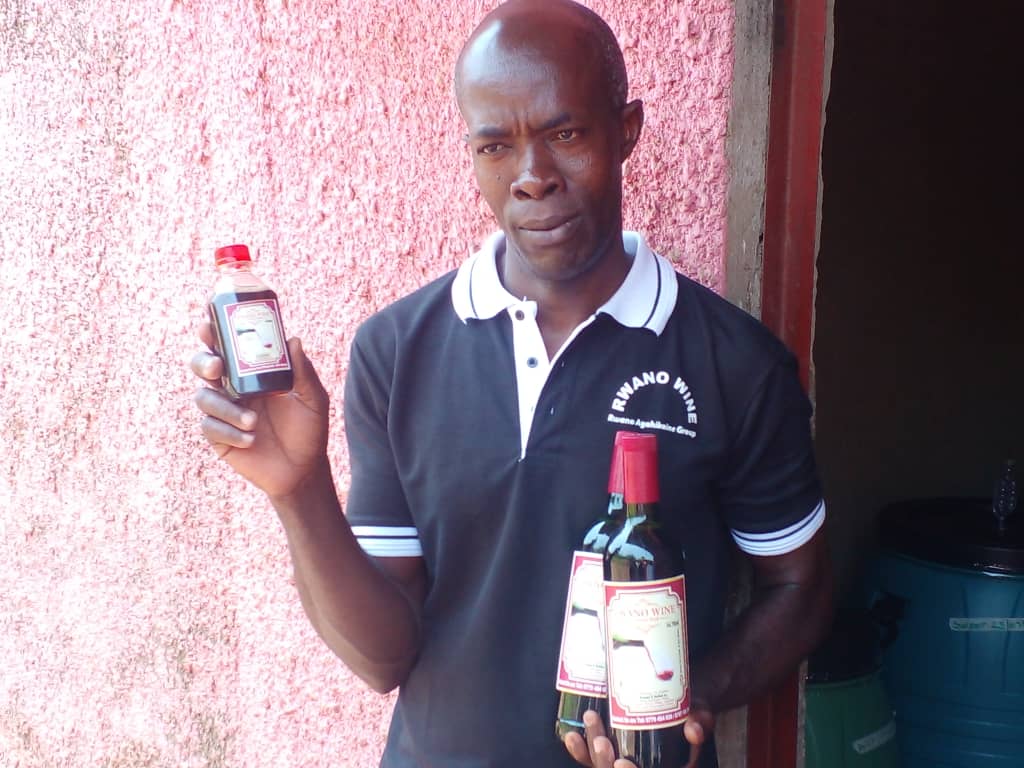
“We realized that selling fresh bananas alone could not help us develop,” Moses says. “That is why we started processing wine. Each member contributes one bunch per month, not less than 30 kilograms. We are learning hygienic processing, fermentation, and packaging techniques. The samples we have made so far have received excellent feedback.”
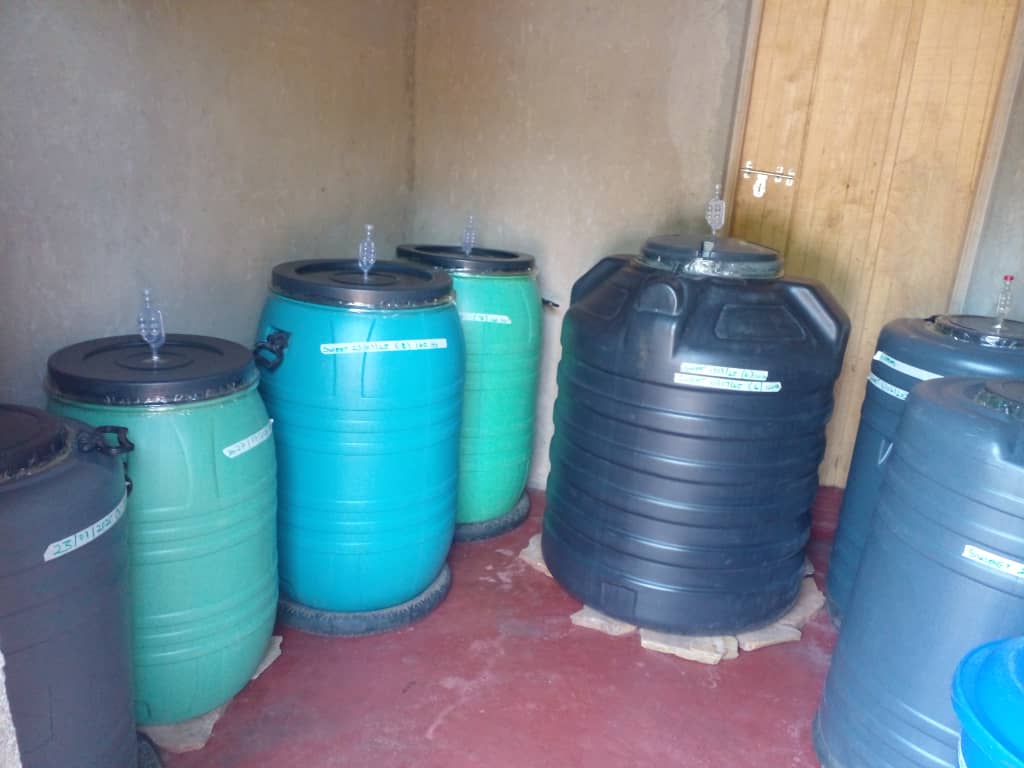
The journey is not without hurdles. The group still uses rudimentary tools—plastic drums for fermentation, saucepans for boiling, and plastic bottles for packaging. Transporting raw bananas and water remains a manual task, often done on members’ heads. Certification by the Uganda National Bureau of Standards is still pending.
Nevertheless, optimism runs high. “If we can access proper equipment and packaging materials, our wine can compete beyond local towns,” Moses asserts. “Already, demand is building, and our first-year target of 500 litres has been surpassed.”
If bananas represent survival, coffee symbolizes prosperity. Bunyangabu’s Kabonero Coffee Growers Cooperative, with 784 farmers, has turned the tide against exploitation by middlemen. Through BRIGHT, members have been trained in quality control, financial management, and governance.
Cooperative manager Enosi Muthahinga says the backbone of their success lies in maintaining quality at household level:
“Our farmers understand that coffee begins with proper harvesting and drying right from the family homestead. This discipline has helped us penetrate both local and international markets.”
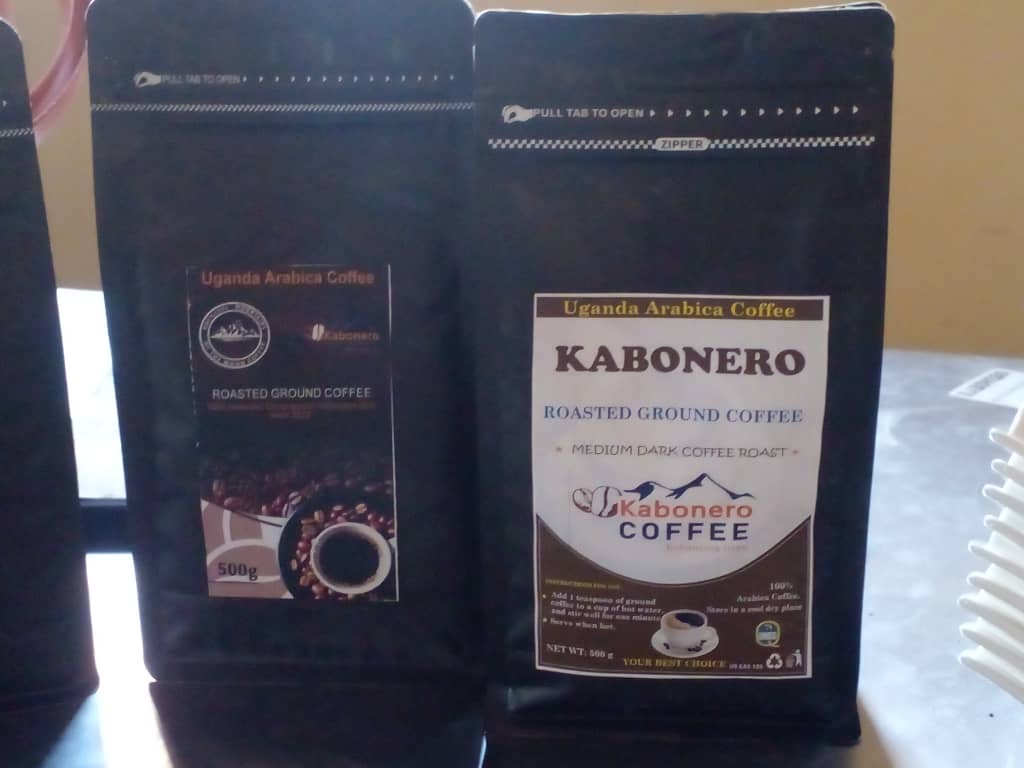
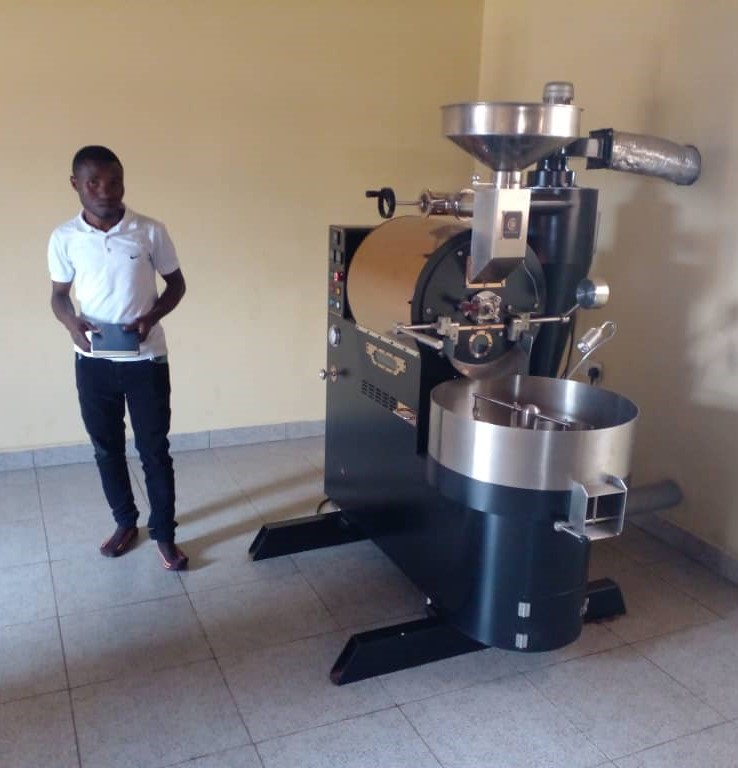
The cooperative now exports ready-to-consume coffee, running a complete value chain from nursery to packaging. With BRIGHT support, they acquired vital equipment—a coffee huller, roasting machines, grinders, and packaging lines—making them self-reliant. Sales have jumped from 22 metric tonnes to 67 metric tonnes, with revenues rising from 310 million to 600 million shillings.
Even by-products are creating new income streams. Coffee husks, once discarded, are now sold to cement factories as fuel.
Partnerships with organisations like Enabel and Microfinance Support Centre have further expanded opportunities. A newly acquired 15-tonne truck enables direct delivery to markets, cutting costs and boosting profits. Certification under Fair Trade and ongoing efforts to secure organic and Rainforest Alliance certifications promise even higher premiums.
“These certifications assure farmers of minimum prices, even when global prices drop,” Enosi notes. “The extra premiums go back into community projects, ensuring everyone benefits.”
Beyond cooperatives, individual success stories illustrate the project’s reach. Farmer Cliff Rutayisire earns about 1.5 million shillings monthly from selling 30 bunches of bananas grown on his 2.5-acre plot. Using organic practices taught under BRIGHT, he maintains 750 healthy plants that provide steady income for his household.
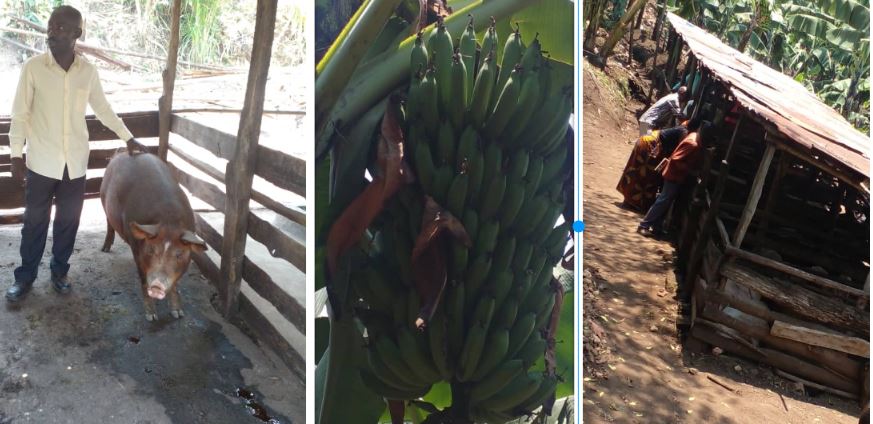
Such stories reinforce BRIGHT’s core principle: moving farmers from subsistence to commercial agriculture.
Area Field Officer James Katwesigye explains:
“Middlemen used to exploit farmers, but with cooperatives and direct market access, farmers now earn more from their labour. This shift is changing livelihoods across Bunyangabu.”
The impact of BRIGHT in Bunyangabu District, where agriculture supports 80% of the population is commendable. District Agriculture Officer Tumwesigye Gerald, describes how the project has helped farmers adopt better practices, restore degraded hillsides, and embrace financial inclusion.
Farmers there have benefited from improved beehives for honey production, micro-scale irrigation schemes for year-round farming, and training in soil and water conservation.
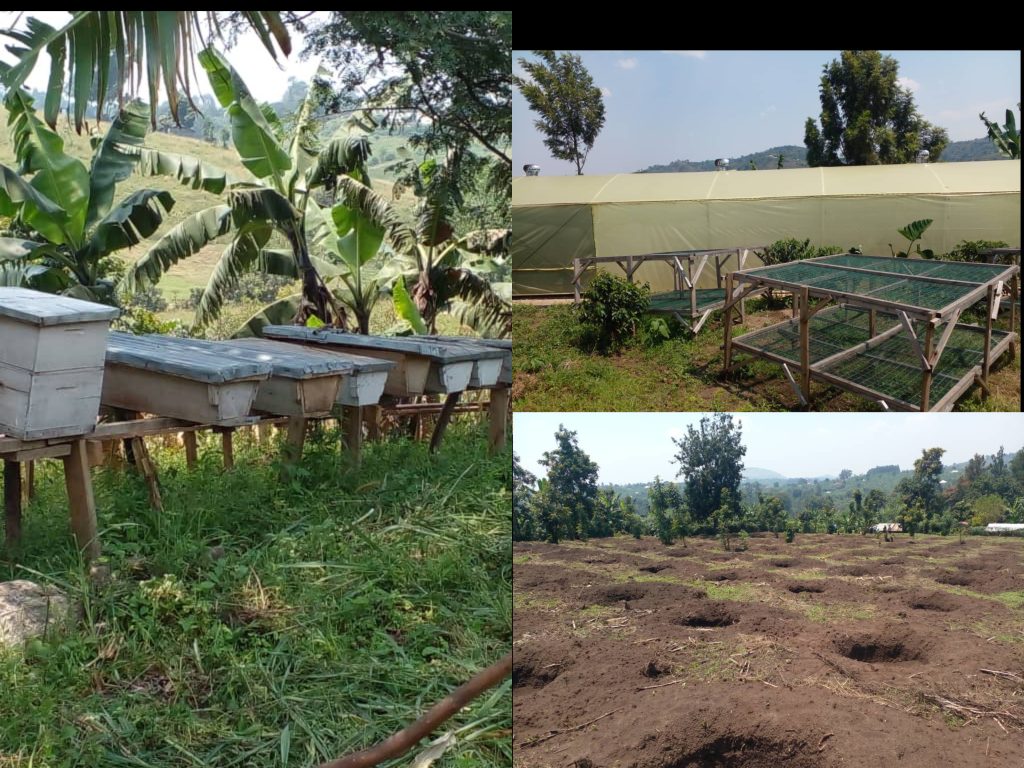
“In Kabonero, overused hills were left bare, leading to soil erosion and landslides,” Tumwesigye recalls. “Through BRIGHT, we established community nurseries and restored these hills, reducing flooding risks and improving climate resilience.”
Another critical intervention has been kitchen gardening to combat malnutrition. Families now grow vegetables in backyard plots using organic manure and pesticides, improving nutrition at household level.
“Before, farmers sold eggs and bananas while their children went malnourished,” notes Muzoora Moses. “Now we have been sensitized—nutrition comes first, then sales.”
Despite remarkable progress, challenges remain. Farmers still grapple with fake agrochemicals, limited access to machinery, poor transport, and lack of certification for processed products like banana wine.
Most critically, the sustainability of gains depends on government commitment once IFDC phases out, as Gerald stresses:
“Projects have timeframes. When IFDC leaves, government must fill the gap with extension services and continued support. Recently we recruited more agricultural officers, and I believe they will carry on the momentum.”
Gerald echoes this concern:
“The danger is that good practices may collapse once the project ends. We need to institutionalize them into district planning and budgets. Farmers must feel they still have support even after donors withdraw.”
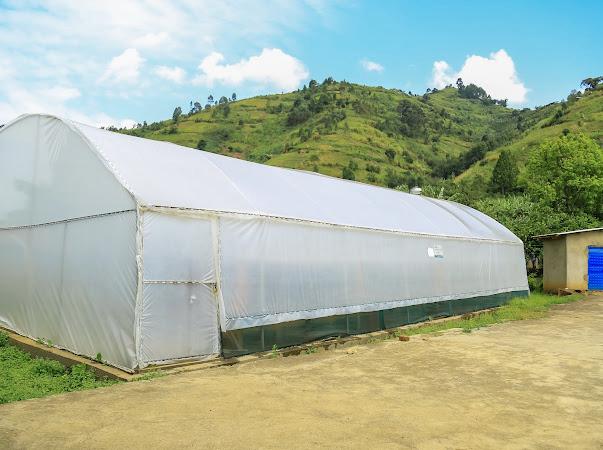
The BRIGHT Project has demonstrated that with the right support, smallholder farmers can become competitive entrepreneurs. From banana wine innovators in Rwano to coffee exporters in Kabonero, farmers are redefining agriculture as a pathway to wealth, not just survival.
Still, the project’s greatest legacy may lie in changing mindsets—teaching farmers to see value in every bunch of bananas, every cup of coffee, and every backyard vegetable plot.
For now, the sights and sounds of progress are visible across Bunyangabu: fermentation drums bubbling with banana wine, coffee roasters humming in cooperative halls, and hillside nurseries greening once-barren slopes. The question remains—will these transformations endure when BRIGHT’s light dims?
The answer depends on how well local governments, cooperatives, and farmers themselves can carry forward the lessons learned, ensuring that agriculture in Bunyangabu is not just productive, but sustainable for generations to come.