



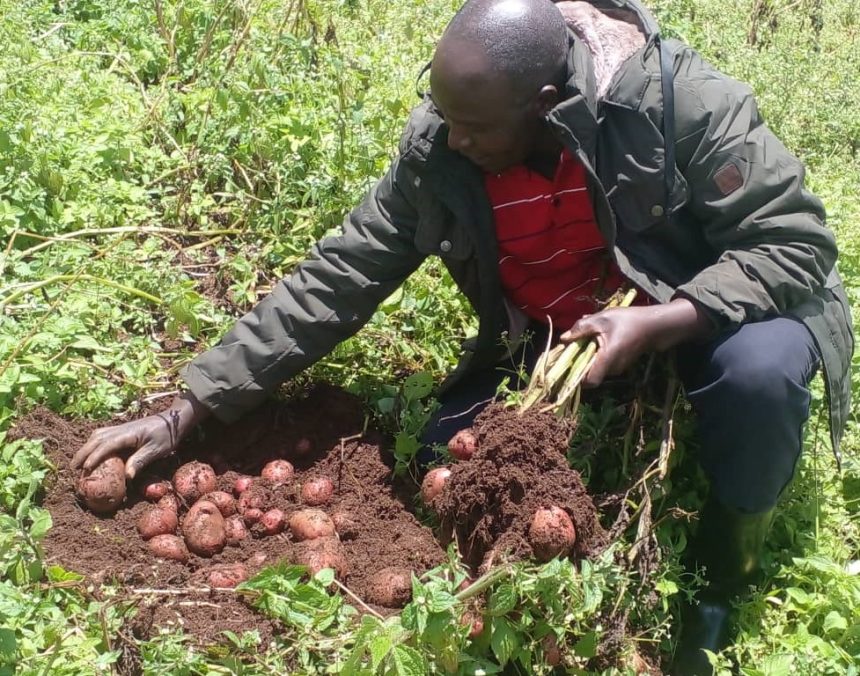
Uganda’s potato and coffee sectors are gaining momentum as farmers in the Mount Elgon region embrace modern agribusiness practices under the Netherlands-funded BRIGHT Project.
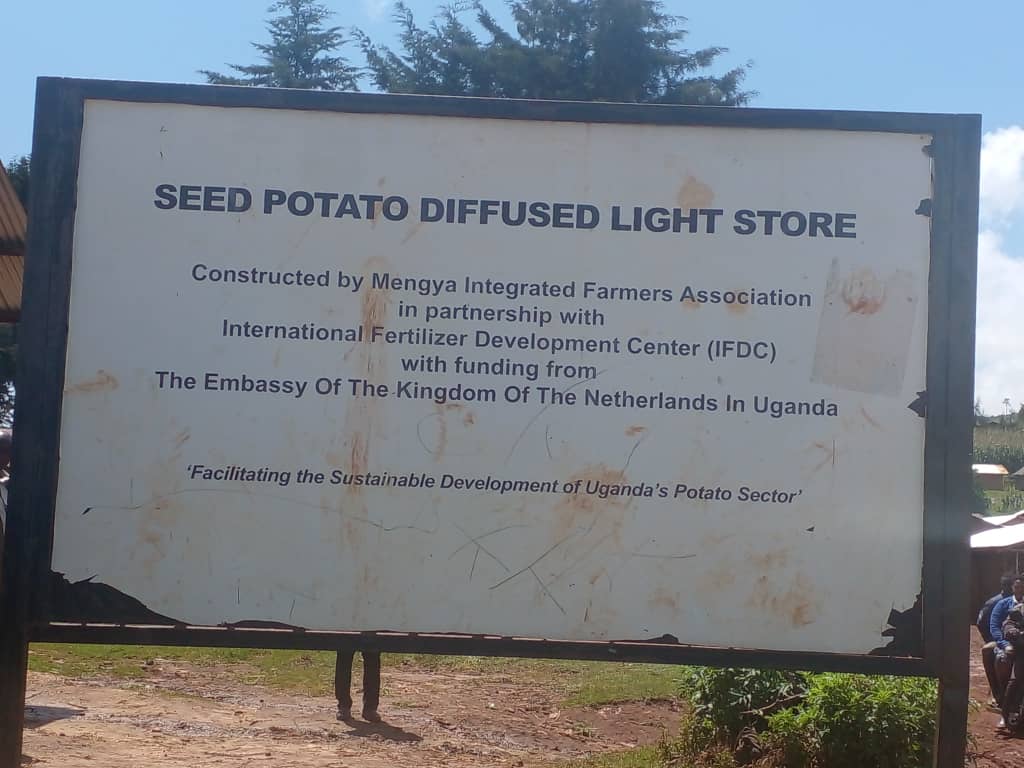
Implemented by the International Fertilizer Development Center (IFDC) in partnership with AgriTerra, the project is repositioning smallholder farmers as commercial producers with stronger market linkages.
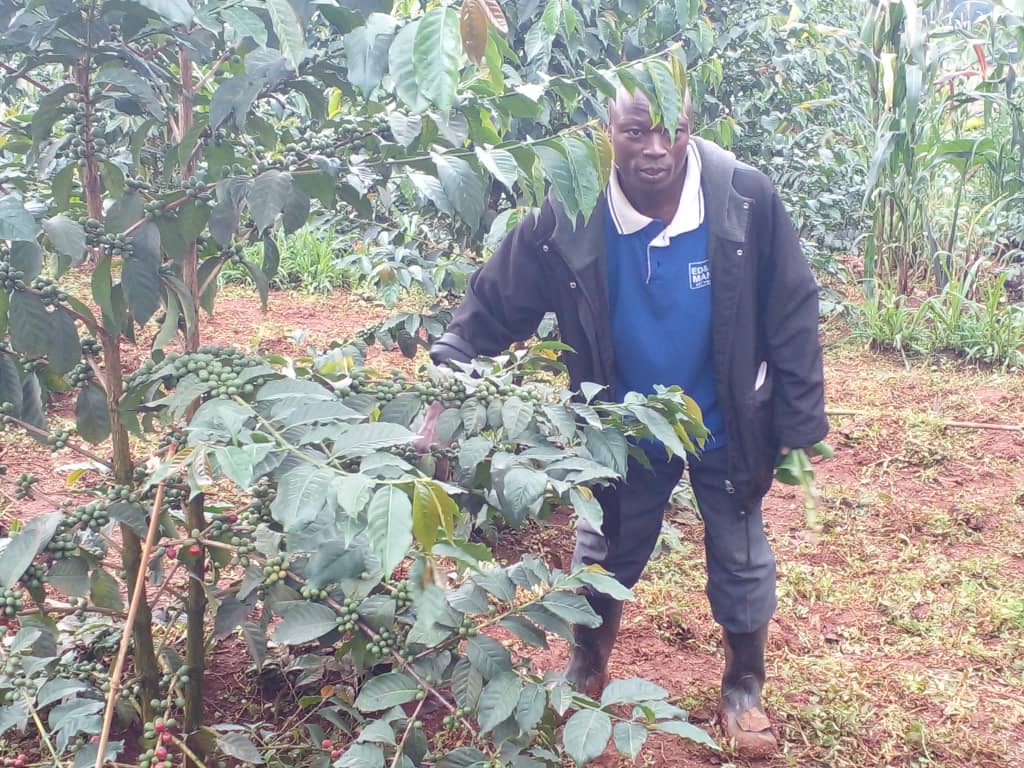
Field extension worker Simon Jumui reports that coffee farmers in Dimbwe Village, Gamangweni Parish, Bumugibule Sub County, Bulambuli District have seen yields more than double thanks to improved soil management, compost manure application, and agronomic training.
“Previously, a tree produced about two kilograms. Now, each yields five kilograms,” Jumui said.
With 640 trees per acre and three harvests annually, the numbers translate into higher volumes for the market and stronger cash flows for farmers. Coffee intercropped with bananas provides an additional revenue stream, cushioning households from price fluctuations. Short-cycle crops such as beans, onions, and cabbages further strengthen year-round income diversification.
The real game-changer, however, is in the potato value chain. In Mengya village,Bene Subcounty,Kween District, the Mengya Integrated Farmers’ Cooperative Society, led by Moses Kiptala, has transitioned from subsistence farming to commercial seed production.
With IFDC’s backing, the cooperative established three greenhouses capable of producing 6,000 plantlets per cycle, generating approximately 228,000 minitubers. These are later multiplied into pre-basic and certified seed. The results are striking: yields rose from three bags to 15 bags per 100 kilograms of seed planted, and in some instances up to 24 bags per acre.
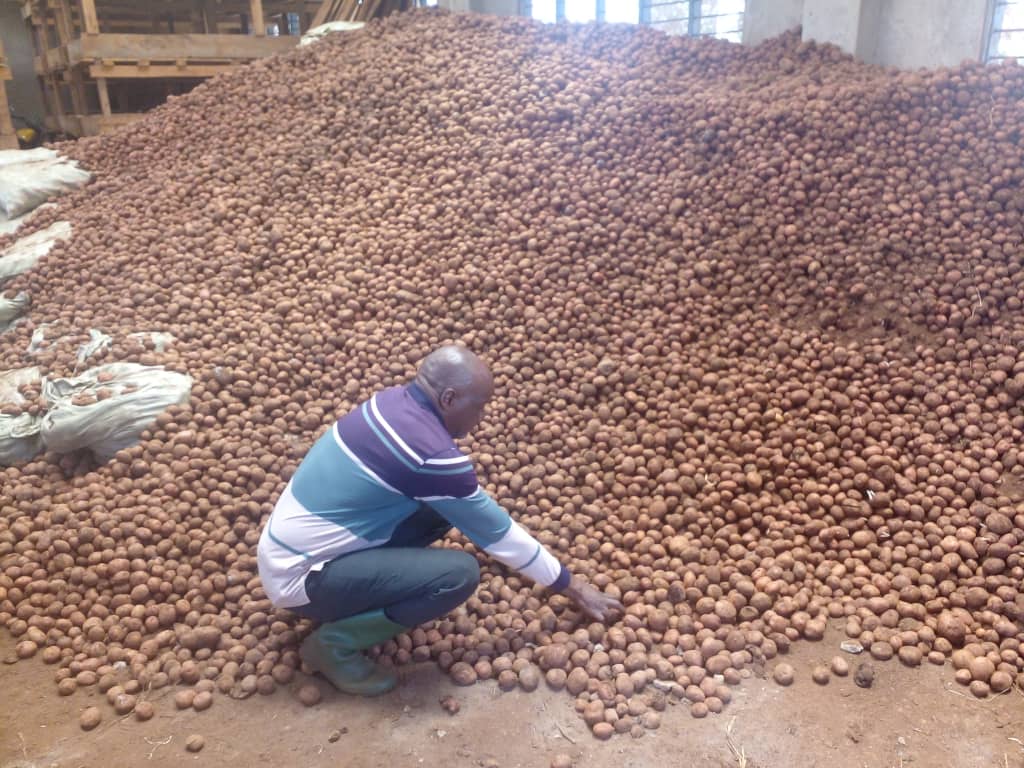
This surge has attracted regional buyers from Rwanda, Burundi, and South Sudan, positioning Mount Elgon as a competitive supplier in the regional potato trade.
Yet, supply lags behind demand. “We need more greenhouses and storage facilities to meet the needs of over 10,000 farmers in this region,” Kiptala explained. He also pointed to infrastructure gaps:
“The poor road network limits market access and suppresses prices. Ware potato currently sells at just UGX 500 per kilo here, far below potential value.”
For AgriTerra, the agribusiness focus is clear: professionalize farmer cooperatives to handle both production and trade. John Mpata, regional coordinator, highlighted interventions in financial management, governance, and marketing.

“We ensure cooperatives can access quality inputs, secure credit from institutions like Pearl Capital Partners and the Microfinance Support Centre, and connect to consistent buyers such as Sam’s Food Industries,” Mpata said.
“Input shops run by cooperatives also shorten distribution chains, lowering costs for farmers while ensuring quality.”
In Elgon alone, AgriTerra supports five key cooperatives with memberships ranging from 250 to 3,000. Training programs include youth agribusiness workshops, peer-to-peer exchange visits, and participation in trade fairs to accelerate adoption of new technologies.

Uganda’s potato sector is increasingly seen as an export-oriented enterprise, with seed supply at the heart of competitiveness.
Industry experts note that with better storage, expanded greenhouse infrastructure, and improved roads, Elgon could dominate East Africa’s potato market.
Coffee, on the other hand, remains Uganda’s leading export earner. By equipping farmers with cost-effective soil fertility practices and improved husbandry, the Pride Project is strengthening quality and supply reliability.
“The fundamentals are in place: productive cooperatives, high demand, and supportive partners,” Mpata said.
“What is needed now is scaling up to capture the full agribusiness potential.” With stronger farmer organizations and regional market integration, Mount Elgon’s farmers are moving beyond subsistence into structured commercial agriculture—delivering both volumes and value to Uganda’s agri-economy.