



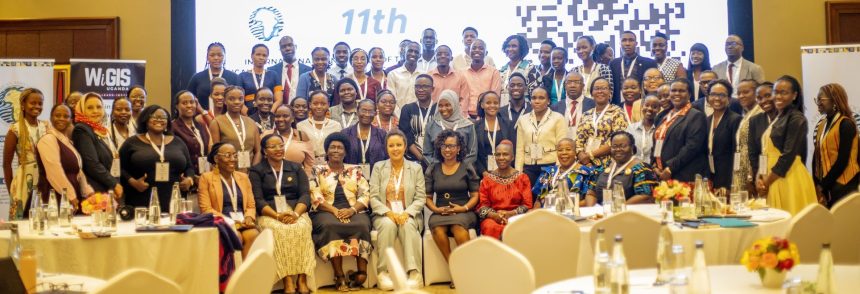
The 11th International Conference of the African Association of Women in Geosciences (AAWG) has opened in Uganda with resounding calls for the effective implementation of policies that can transform Africa’s vast natural resources into engines of sustainable development.
The gathering, held under the theme , ” Geoscience and the Future of Africa-emerging technologies,innovation and inclusive growth ”, brought together scientists, policymakers, industry leaders, and students from across Africa and beyond, with women taking the lead in shaping discussions on resource management, innovation, and inclusion.
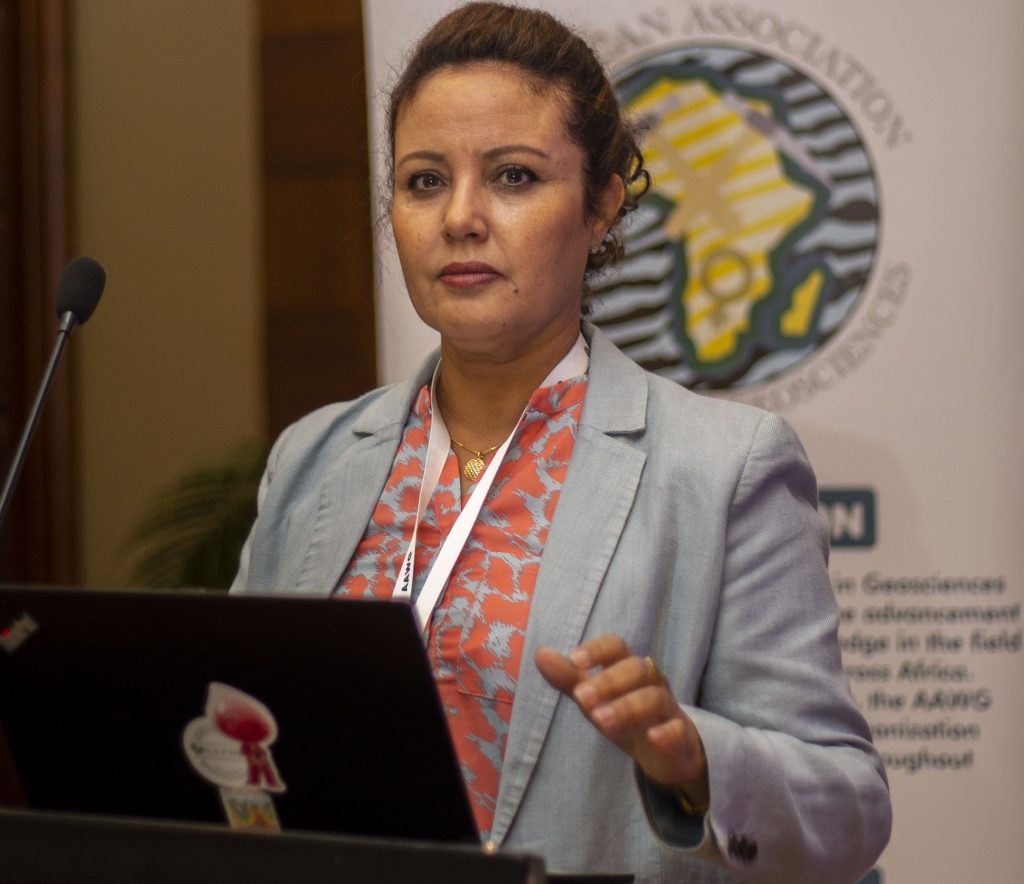
In her keynote remarks, AAWG President Professor Ezzoura Errami emphasized that the real test of Africa’s progress lies not in the existence of policies and visions, but in how effectively they are implemented.
She pointed to the African Mining Vision, adopted by the African Union in 2009, as a prime example of a framework that is strong on paper but weak in practice.
“Everything is there, but implementation remains a problem,” Errami said. “We need African governments and companies, especially foreign investors, to take responsibility and ensure that mining and natural resource development contribute meaningfully to communities. Without that, we are building castles on sand.”
Errami also raised concerns about the lack of stability in countries like the Democratic Republic of Congo (DRC), where weak institutions and political uncertainty have undermined efforts to translate mineral wealth into social development.
“Without peace and strong institutions, the cycle of lost time, energy, and money will continue,” she added.
Beyond mining, the AAWG leader stressed the importance of leaving behind a lasting legacy in host countries.
“Our conferences are not just meetings. They are platforms to build the capacity of women—organizing events, raising funds, managing projects—and increasing their visibility in leadership roles. Women must be at the center if Africa is to achieve sustainable development.”
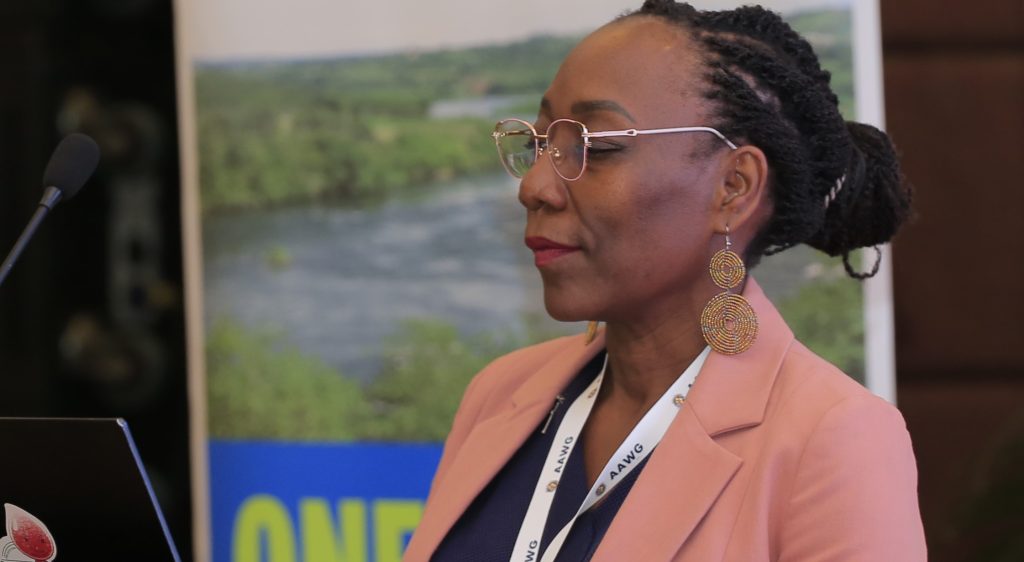
Charity Kisirisa, Interim Chairperson of the AAWG Uganda Chapter and Conference Chair, echoed these concerns while reflecting on how far women have come in a traditionally male-dominated field. She noted that when the association was founded three decades ago, women in geosciences were largely invisible.
“Today, more women are leading in oil and gas, water, climate change, and environmental sciences,” Kisirisa said. “But for us to see real progress, policies must not only exist—they must be implemented. We already have good frameworks, but implementation is where the gap lies.”
Kisirisa also highlighted partnerships with Uganda’s Ministry of Energy, the Petroleum Authority, and the Uganda National Oil Company, as well as ongoing collaboration with industry players. She said such partnerships can help bridge knowledge gaps, particularly for young women entering the sector.
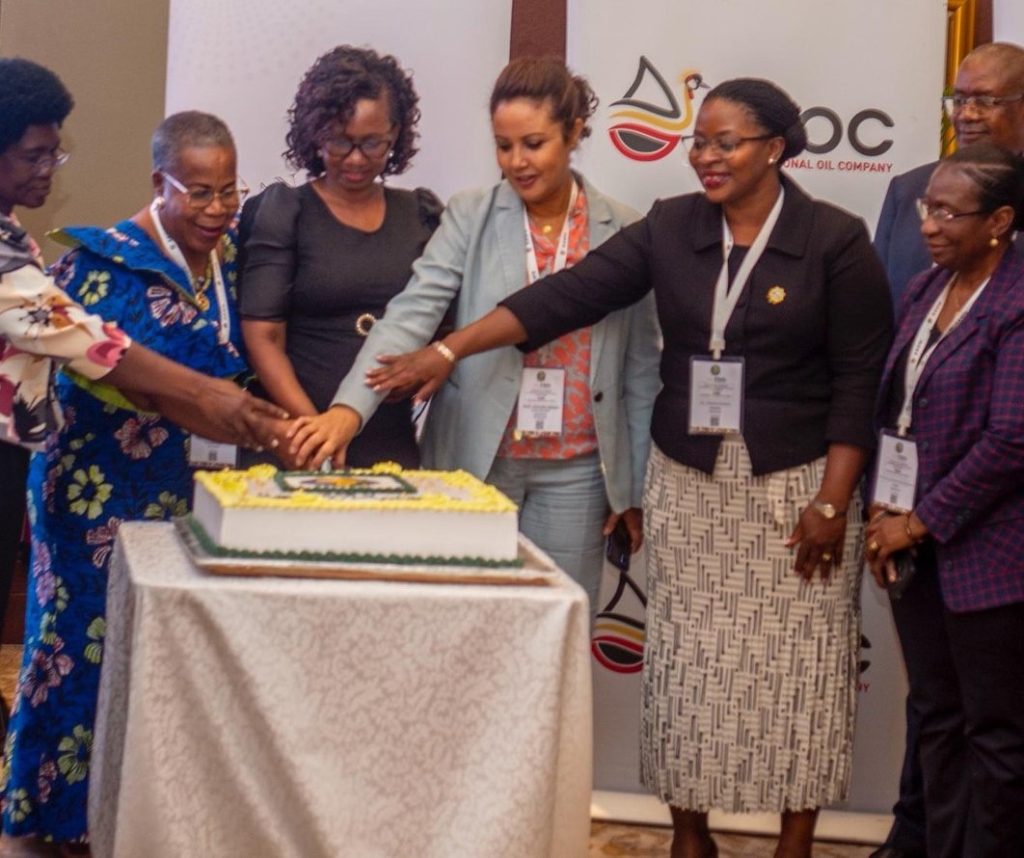
Still, she cautioned that Uganda needs to strengthen its geoscience education base. At present, only Makerere University and King Caesar University teach geosciences, leaving the sector underdeveloped. “We need to do better in training geoscientists, because they play a crucial role in water security, climate resilience, oil exploration, and sustainable development,” she stressed.
Adding a broader perspective, Ruth Murungi Namayanja, a petroleum geoscientist and member of the conference organizing committee, said hosting the conference in Uganda at this time is critical. With major oil and gas projects underway and debates on energy transition intensifying, Uganda cannot afford to sideline geoscience expertise.
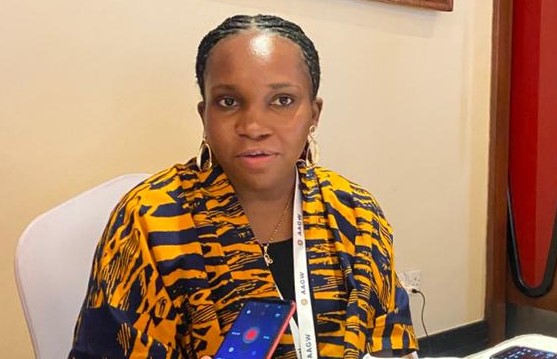
“If Uganda and Africa want to achieve sustainable development, geosciences cannot be ignored. They are the foundation of resource management, climate action, and economic growth,” Namayanja said. “We must not only have policies but ensure they are actively implemented.”
Namayanja also acknowledged the gender gap that persists in the profession. She recalled that when she studied at Makerere, women were almost absent from her classes. “You would find one or two ladies in a class dominated by men. Today that is changing—more women are joining geosciences, taking up challenges in exploration and fieldwork once thought to be only for men.”
Delegates from over 40 countries are attending the conference, exchanging ideas on emerging technologies, industrialization, and inclusive development. A strong emphasis has been placed on empowering the next generation of African women geoscientists to contribute solutions for climate change, disaster management, and responsible resource extraction.
The speakers agreed that while Africa has no shortage of strategies and natural wealth, the missing link has been translating commitments into action. As Errami summed it up: “The future of Africa is being written in the language of geosciences. But unless we move beyond policies into real implementation, we will always remain behind.”